You can make these images larger by clicking on them.


These were all created using Stella 4d, which you can try for free right here.
You can make these images larger by clicking on them.
These were all created using Stella 4d, which you can try for free right here.
This zonohedron was formed from zones based on the faces, edges, and vertices of a rhombicosidodecahedron. The first image shows it colored by face type.

The second image has the faces colored by number of sides.

Finally, here’s one in “rainbow color mode.”

These images were all formed using Stella 4d: Polyhedron Navigator, which you can try for free right here.

I stumbled upon this zonohedron by adding zones to a truncated octahedron, based on its faces, edges, and vertices. It was created using Stella 4d, which you may try for free at http://www.software3d.com/Stella.php. To the best of my recollection, this is the only zonohedron I have seen which includes rhombi, hexagons, octagons, and, of course, the red hexadecagons.
After seeing my post about what I called the “double icosahedron,” which is two complete icosahedra joined at one common triangular face, my friend Tom Ruen brought my attention to a similar figure he likes. This second type of double icosahedron is made of two icosahedra which meet at an internal pentagon, rather than a triangular face. Tom jokingly referred to this figure as “a double patty pentagonal antiprism in a pentagonal pyramid bun.”

It wasn’t hard to make this figure using Stella 4d, the program I use for polyhedral manipulation and image-creation (you can try it for free here), but I didn’t make it out of icosahedra. It was easier to make this figure from gyroelongated pentagonal pyramids, or “J11s” for short. This polyhedron is one of the 92 Johnson solids.

To make the polyhedron Tom had brought to my attention, I simply augmented one J11 with another J11, joining them at their pentagonal faces. Curious about what the dual of this solid would look like, I generated it with Stella.

The dual of the double J11 appears to be a modification of a dodecahedron, which is no surprise, for the dodecahedron is the dual of the icosahedron.
I next explored the stellation-series of the double J11, and found several attractive polyhedra there. This one is the double J11’s 4th stellation.

The next polyhedron shown is the double J11’s 16th stellation.

Here is the 30th stellation:

I also liked the 43rd:

The next one shown is the double J11’s 55th stellation.

Finally, the 56th stellation is shown below. These stellations, as well as the double J11 itself, and its dual, all have five-fold dihedral symmetry.

Having “mined” the double J11’s stellation-series for interesting polyhedra, I next turned to zonohedrification of this solid. The next image shows the zonohedron based on the double J11’s faces. It has many rhombic faces in two “hemispheres,” separated by a belt of octagonal zonogons. This zonohedron, as well as the others which follow, all have ten-fold dihedral symmetry.

Zonohedrification based on vertices produced this result:

The next zonohedron shown was formed based on the edges of the double J11.

Next, I tried zonohedrification based on vertices and edges, both.

Next, vertices and faces:

The next zonohedrification-combination I tried was to add zones based on the double J11’s edges and faces.

Finally, I ended this exploration of the double J11’s “family” by adding zones to build a zonohedron based on all three of these polyhedron characteristics: vertices, edges, and faces.

Zonohedra are a subset of polyhedra with all faces in pairs of parallel and congruent zonogons. Zonogons are polygons with sides which occur only as parallel and congruent pairs of line segments. As a consequence of this, the faces of zonohedra must have even numbers of sides.
Considering all the restrictions on zonohedra, it may be surprising that there is so much variety among them. Every polyhedron shown in this post is a zonohedron. The colors are chosen so that all four-sided zonogons have one color, all six-sided zonogons have a second color, and so on.
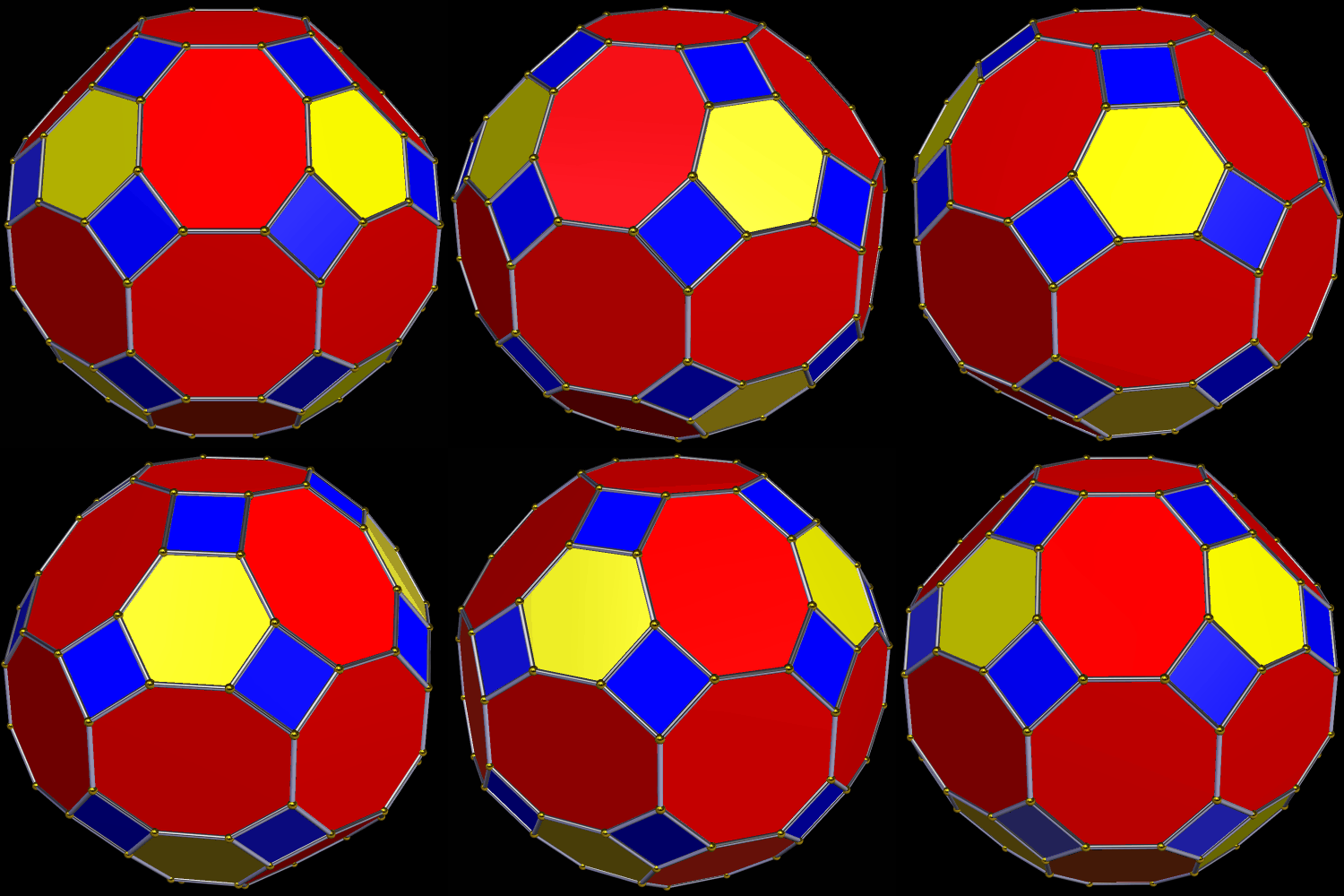
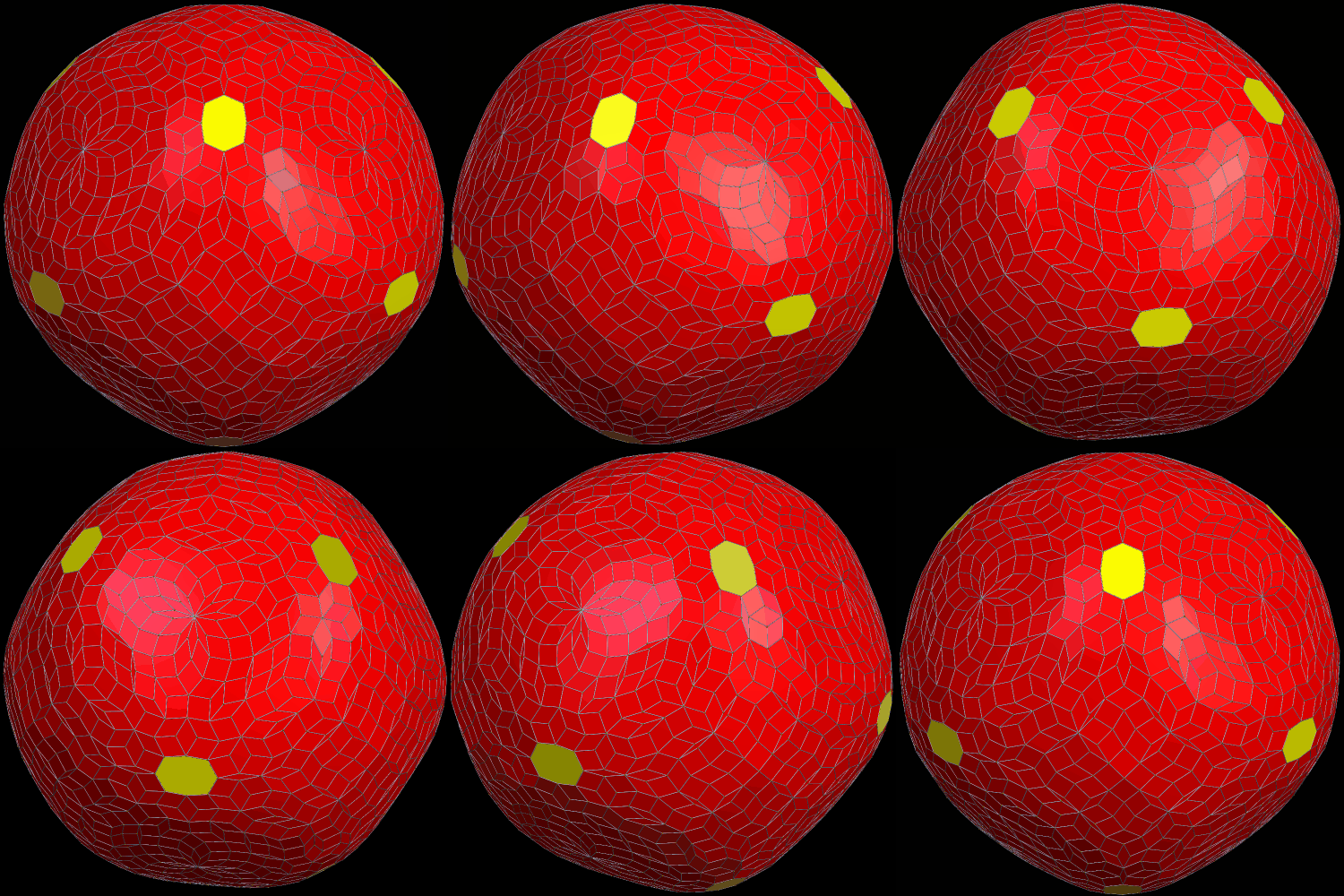
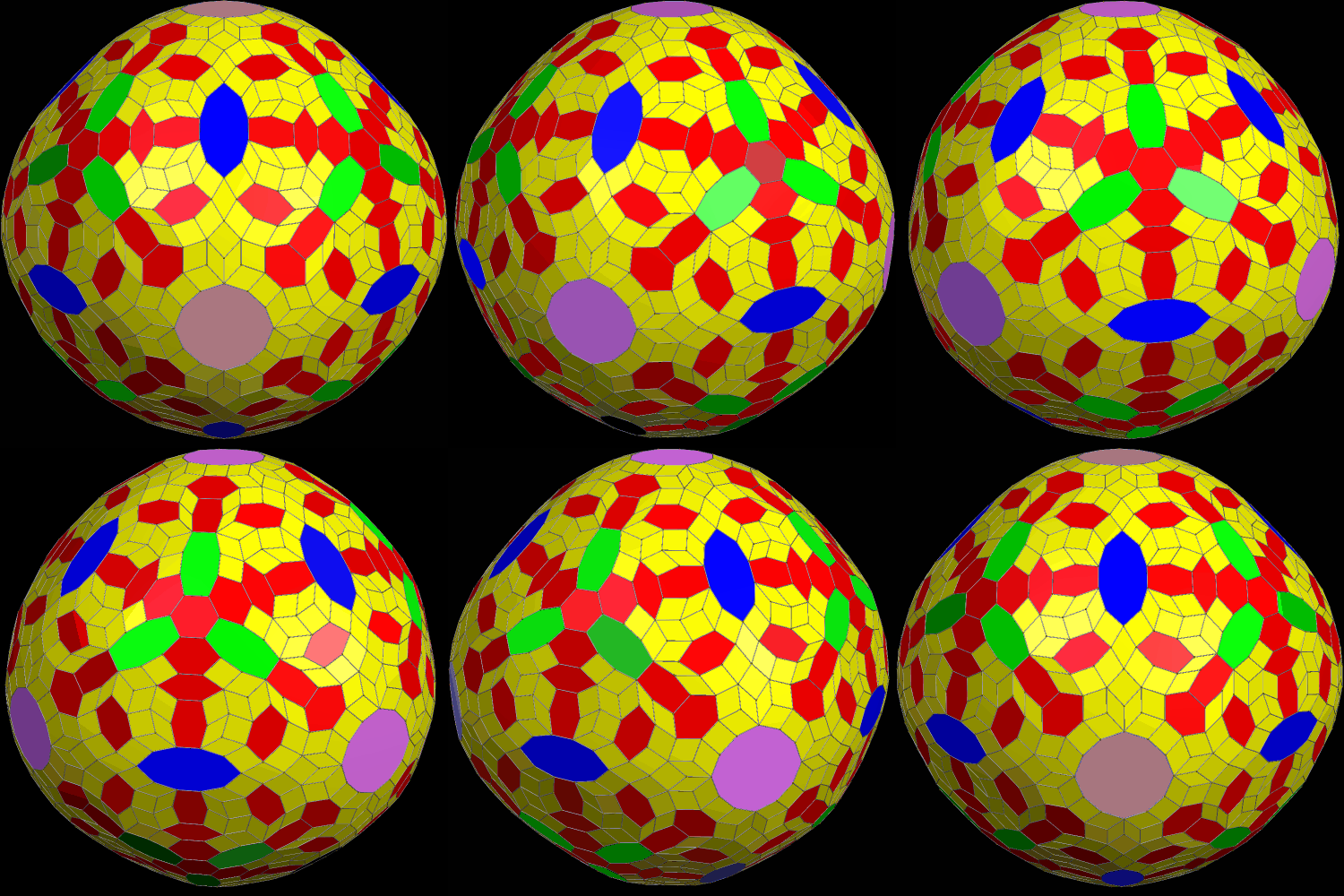
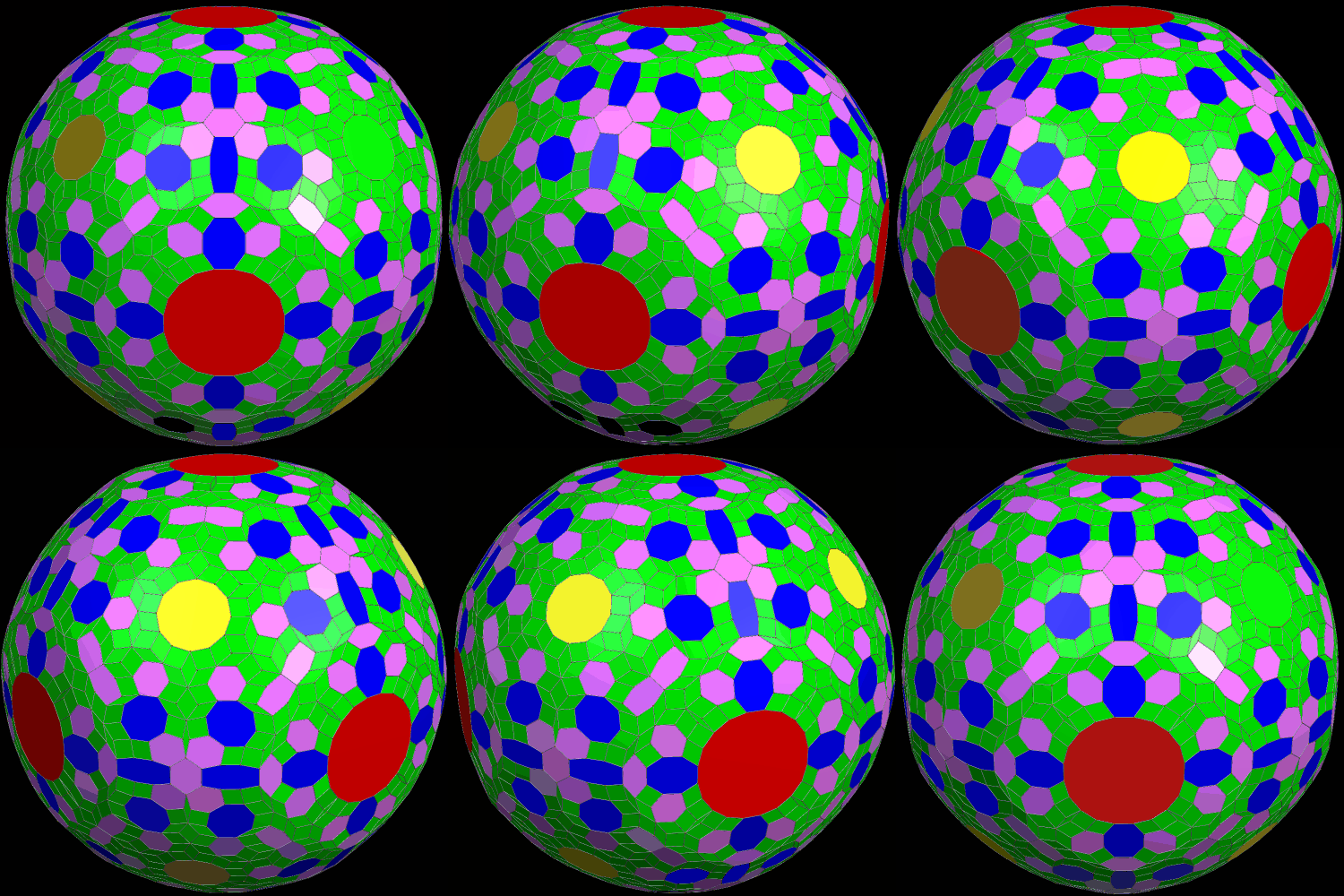


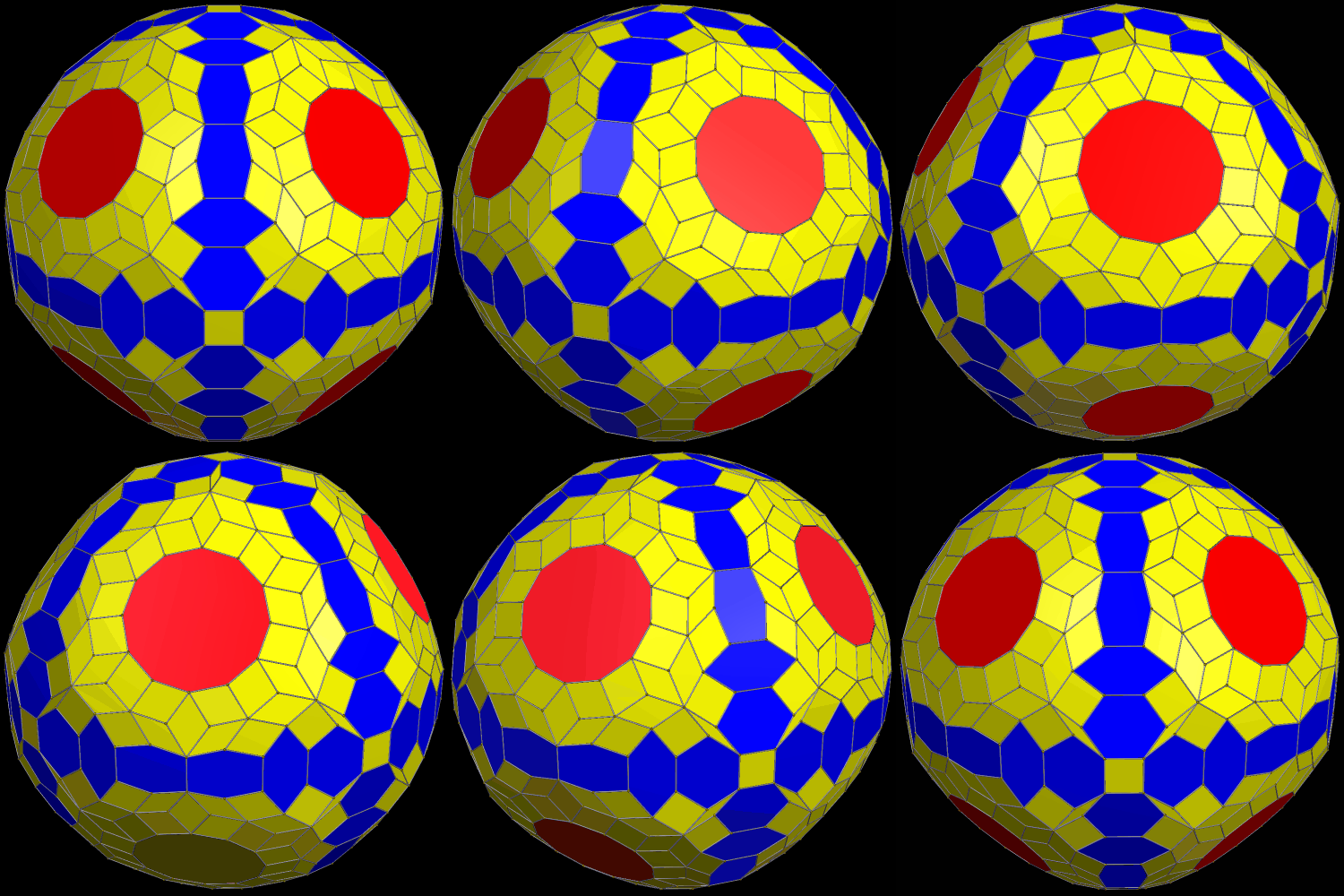
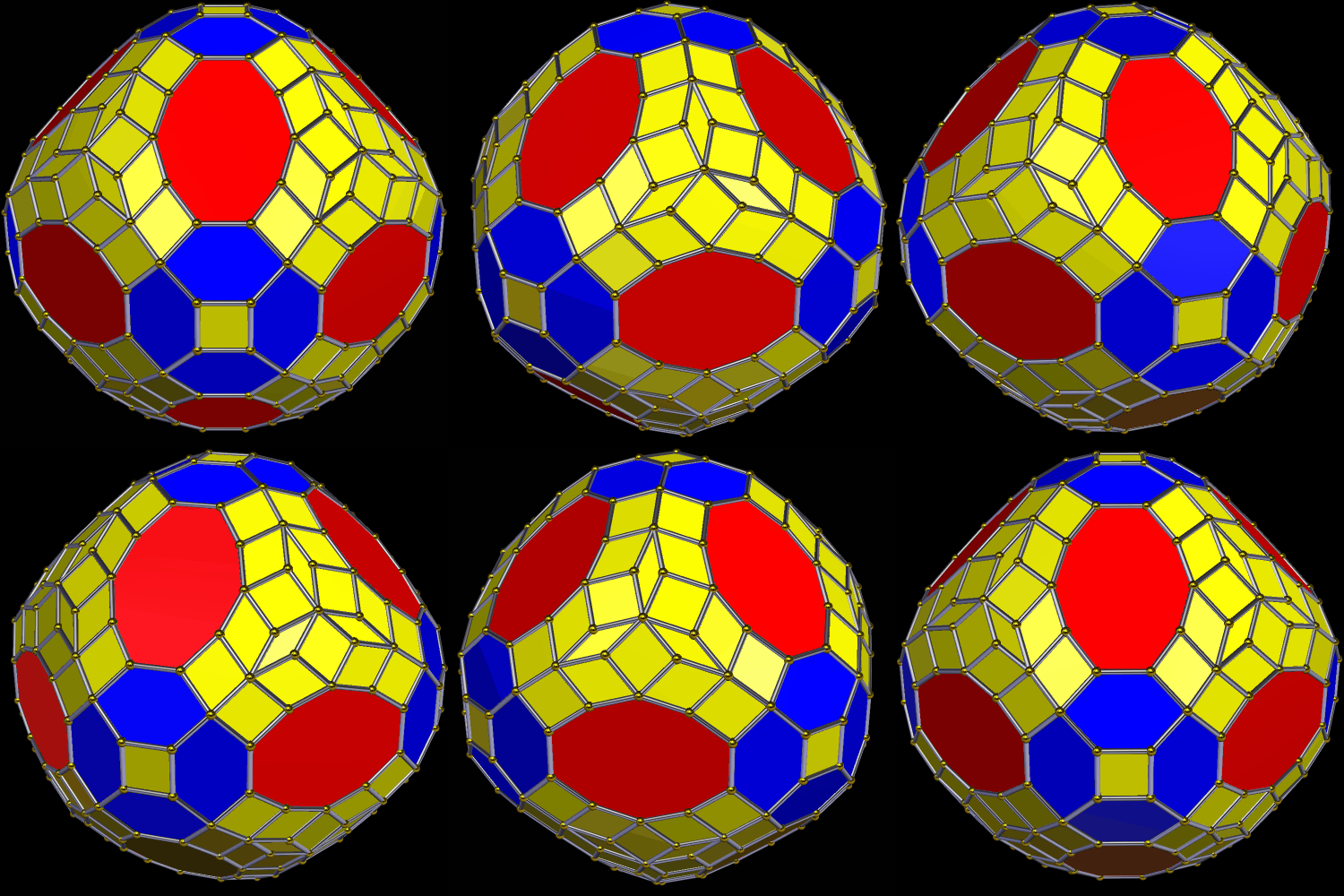


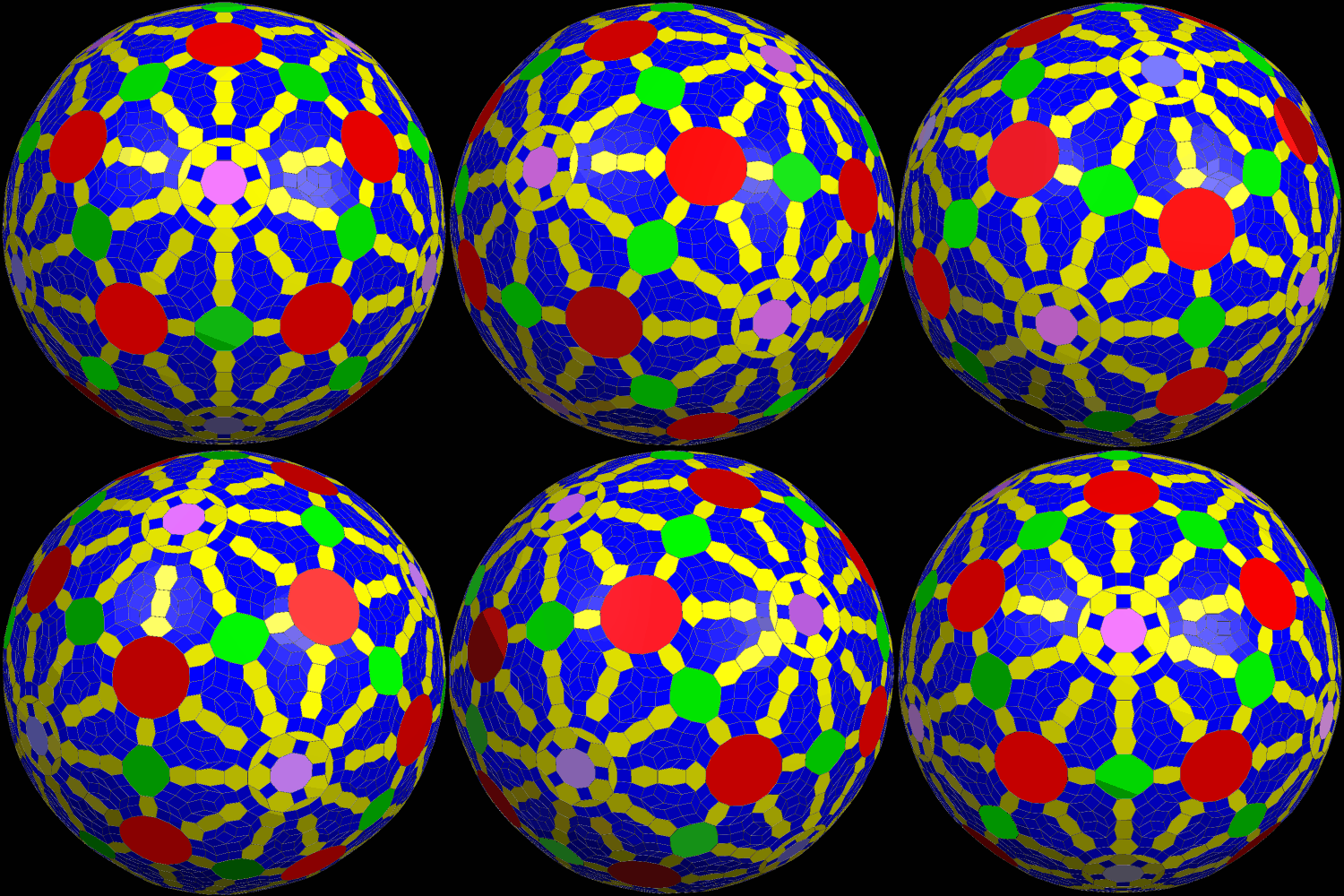
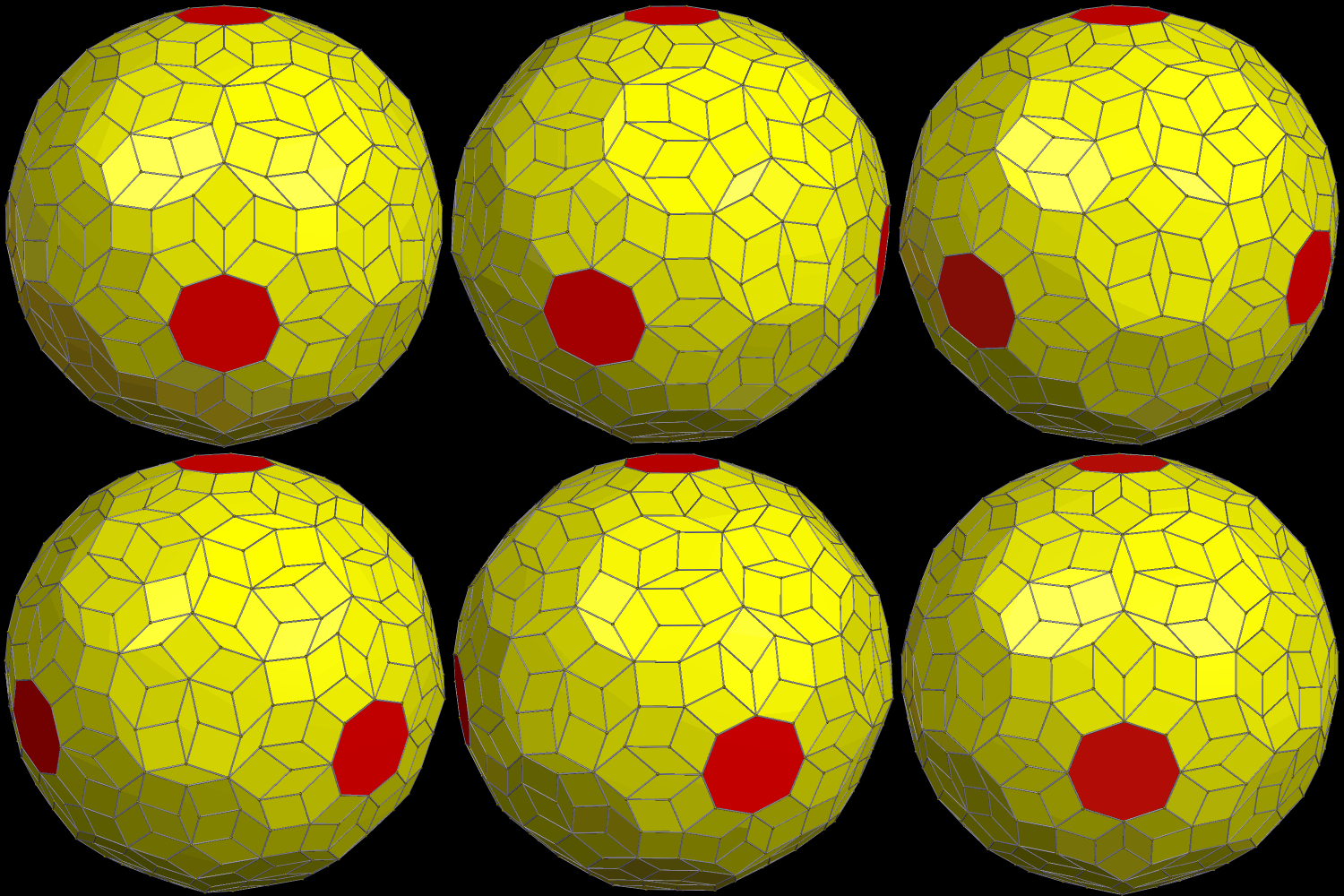
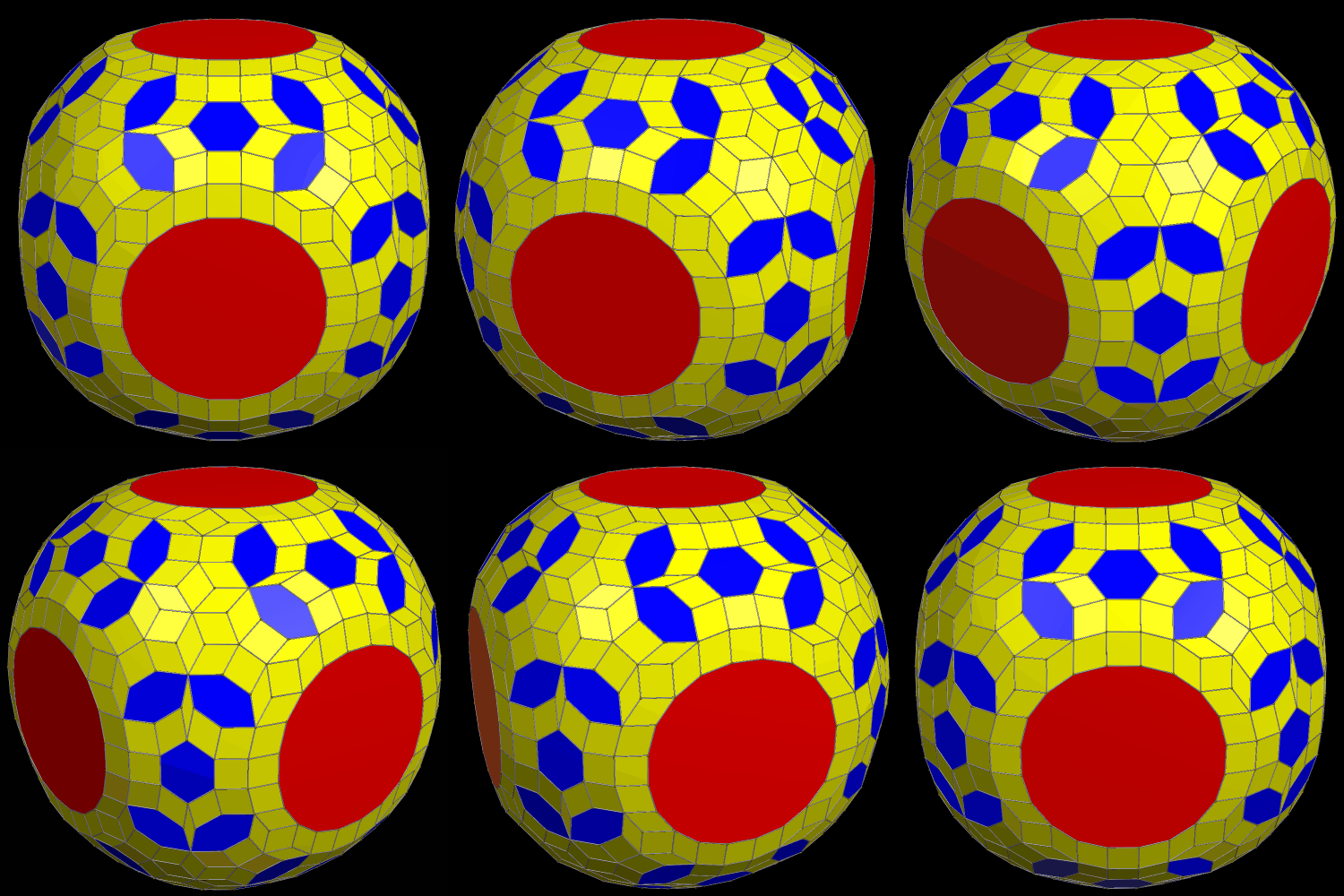
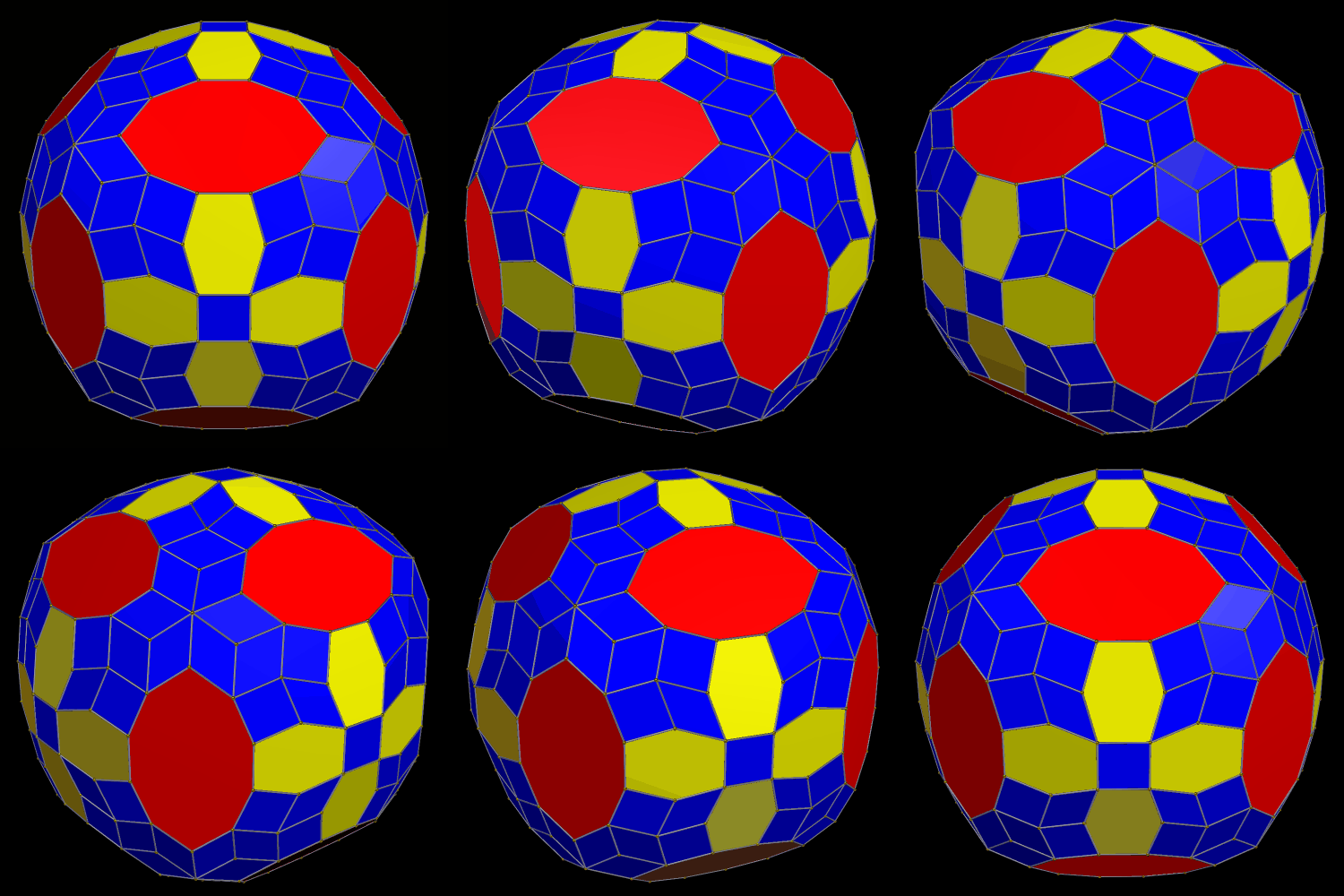
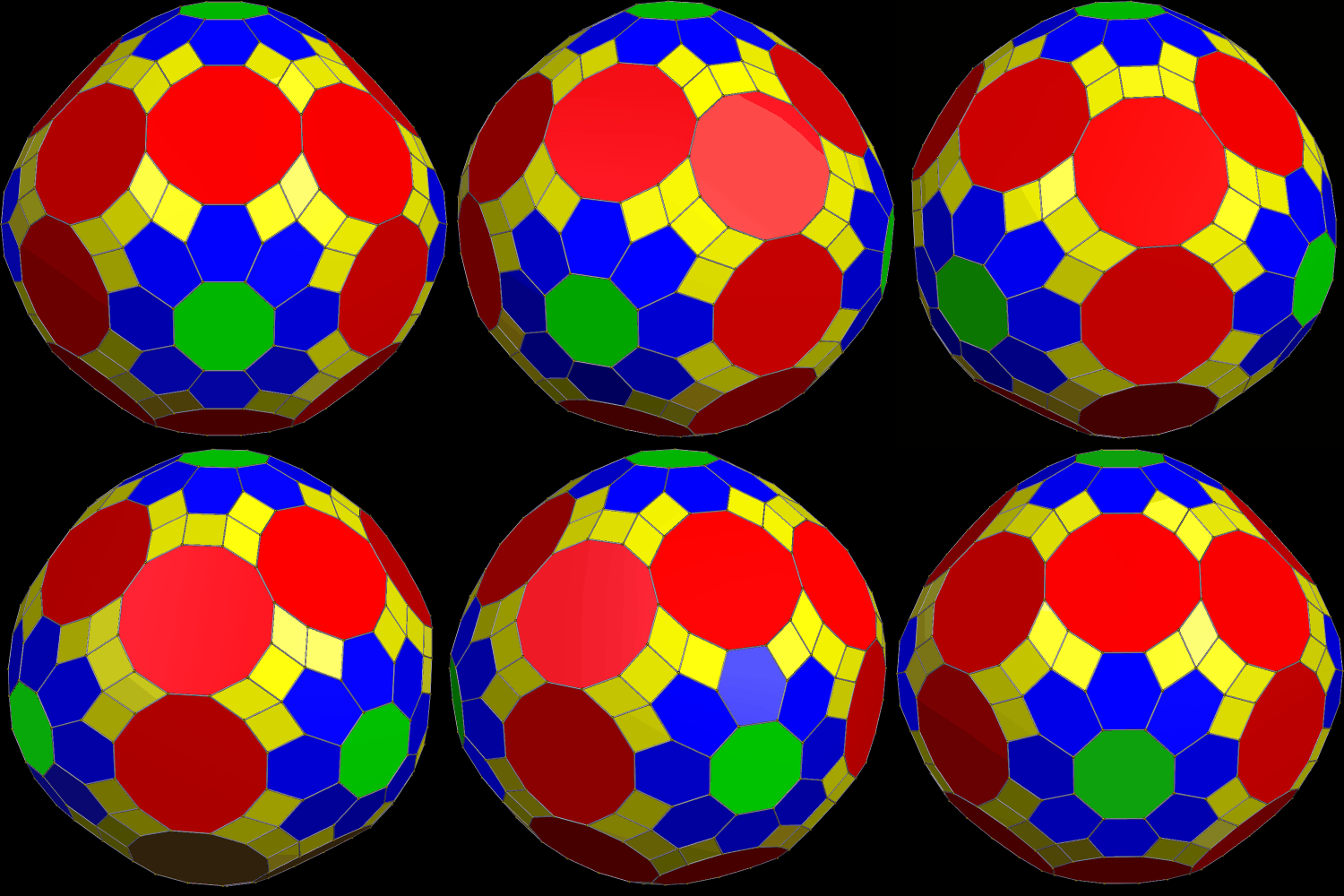
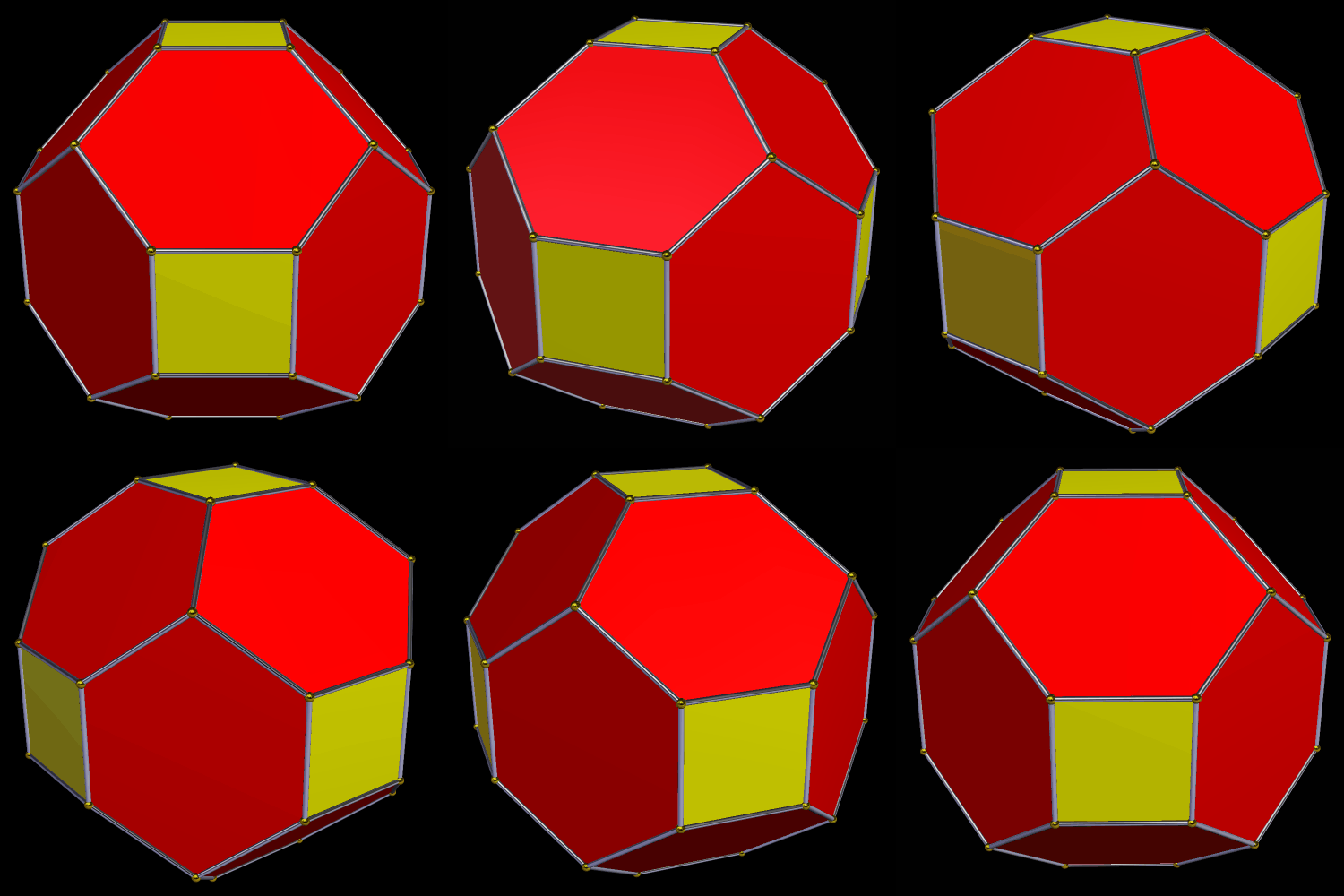
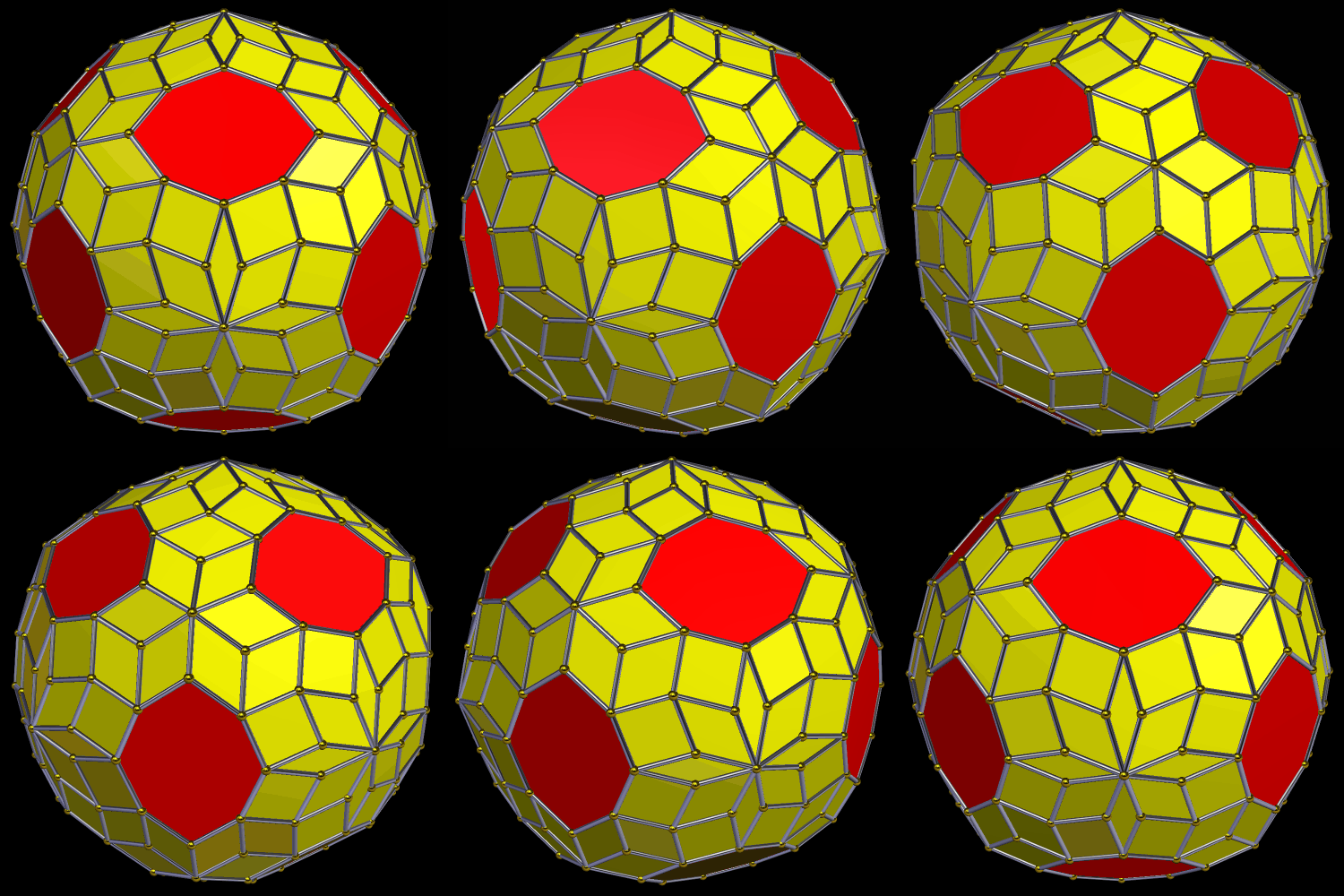


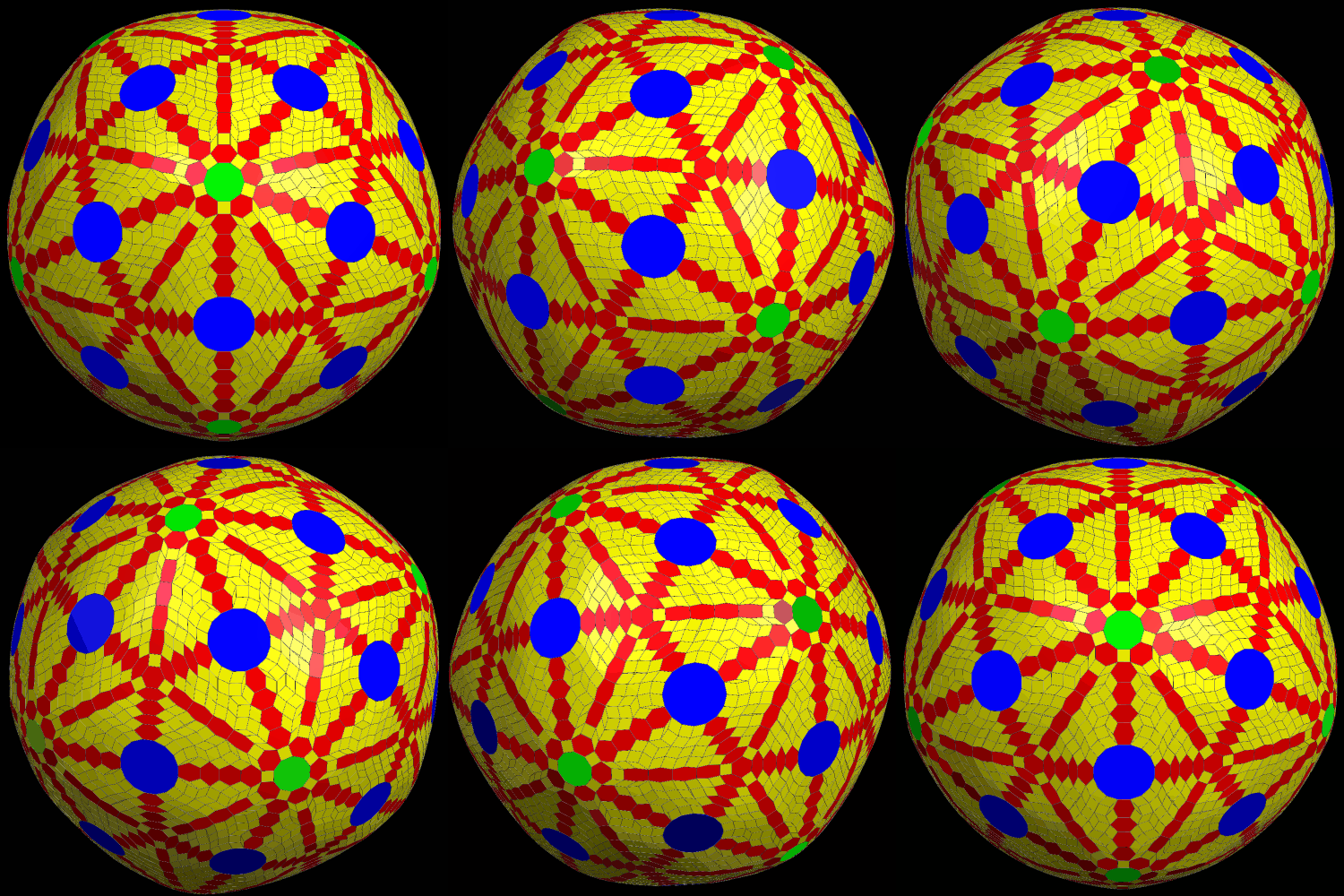
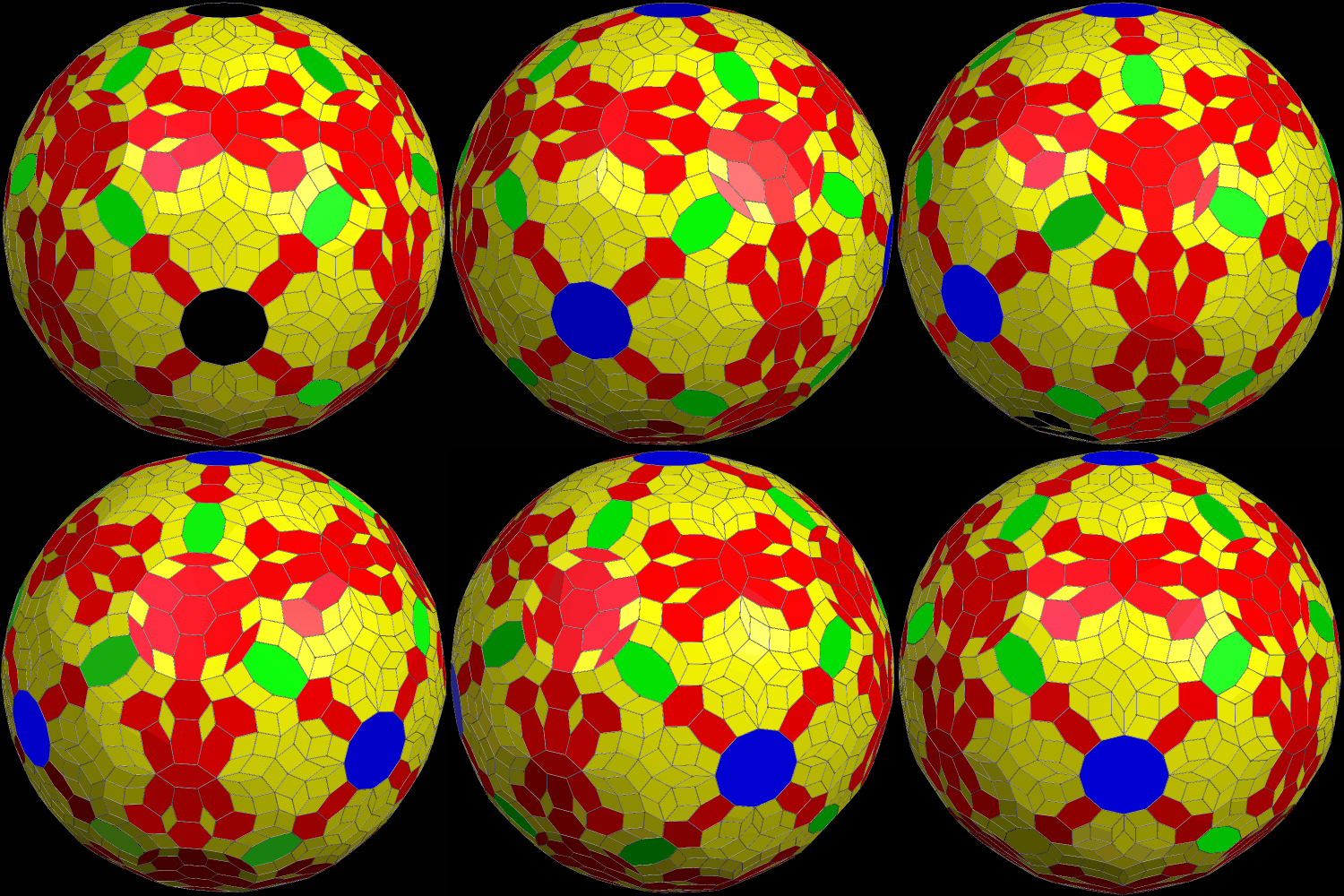
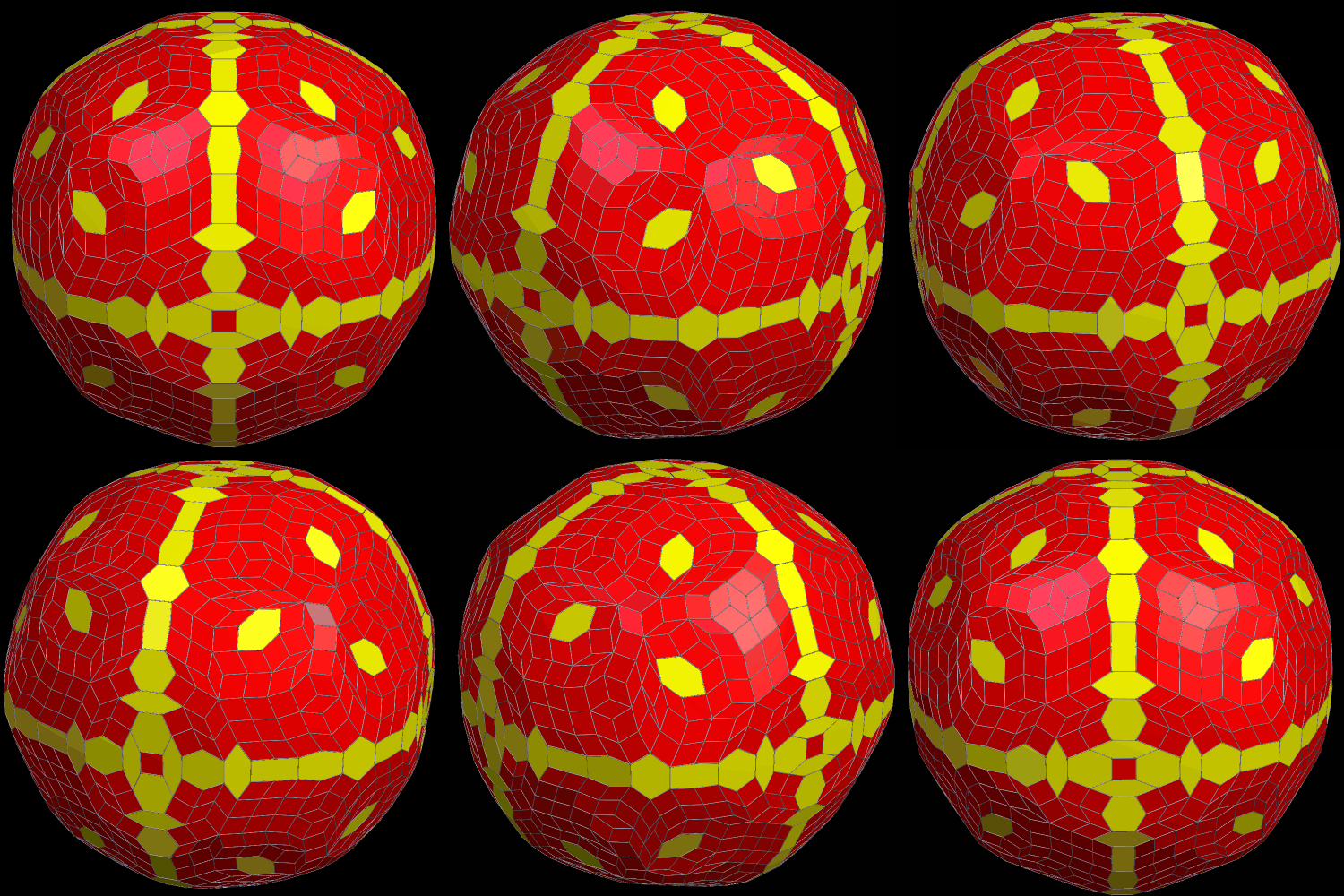
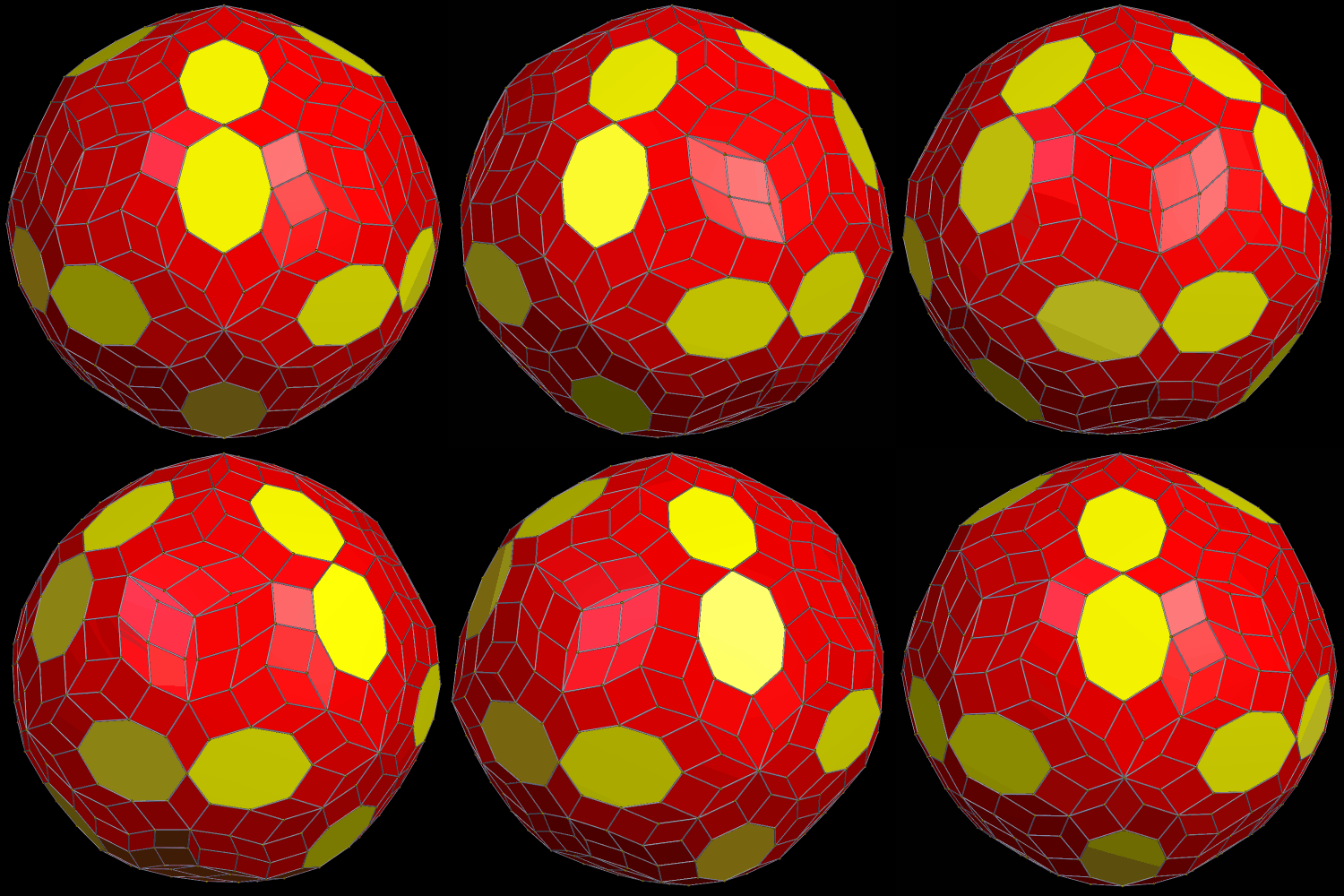
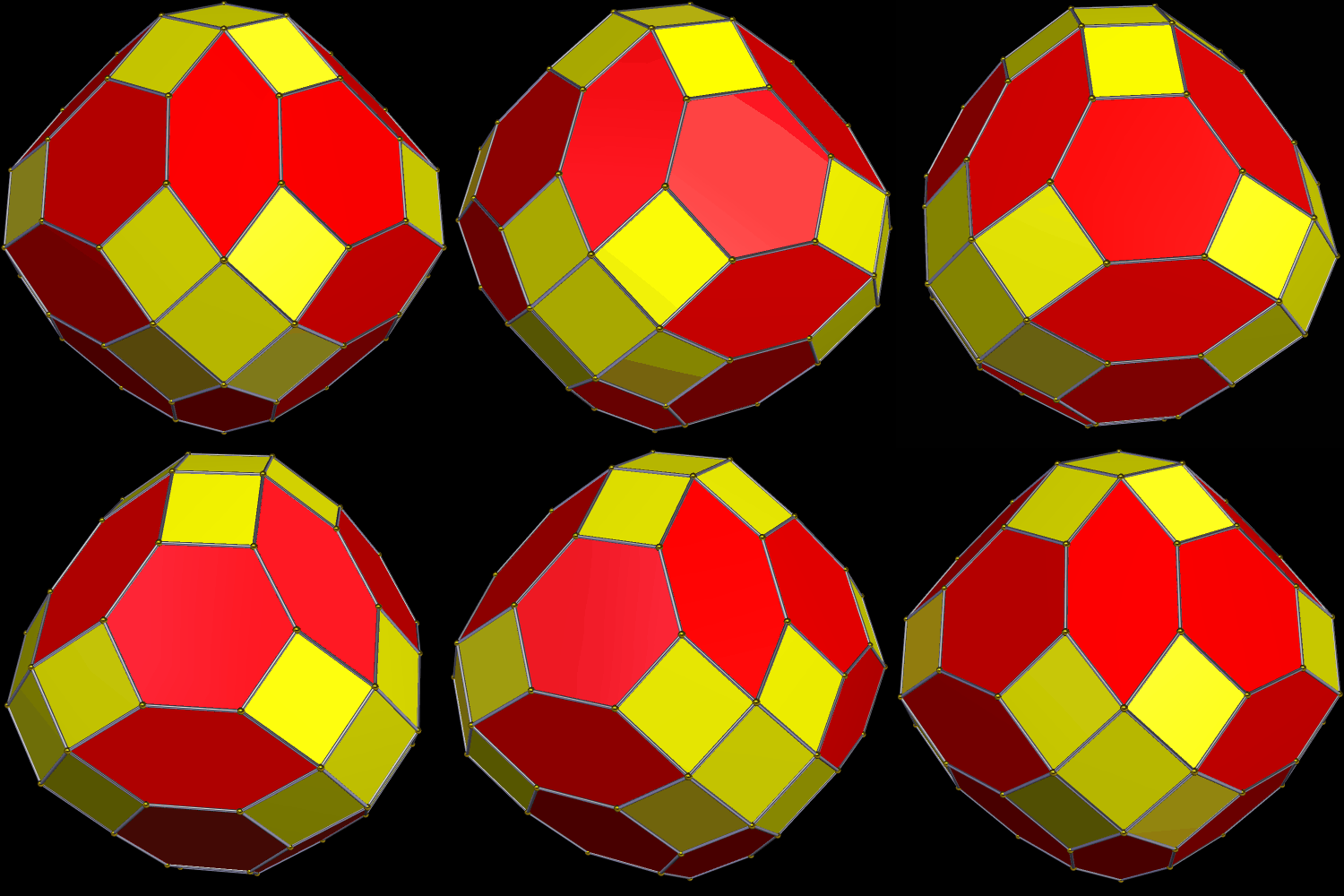
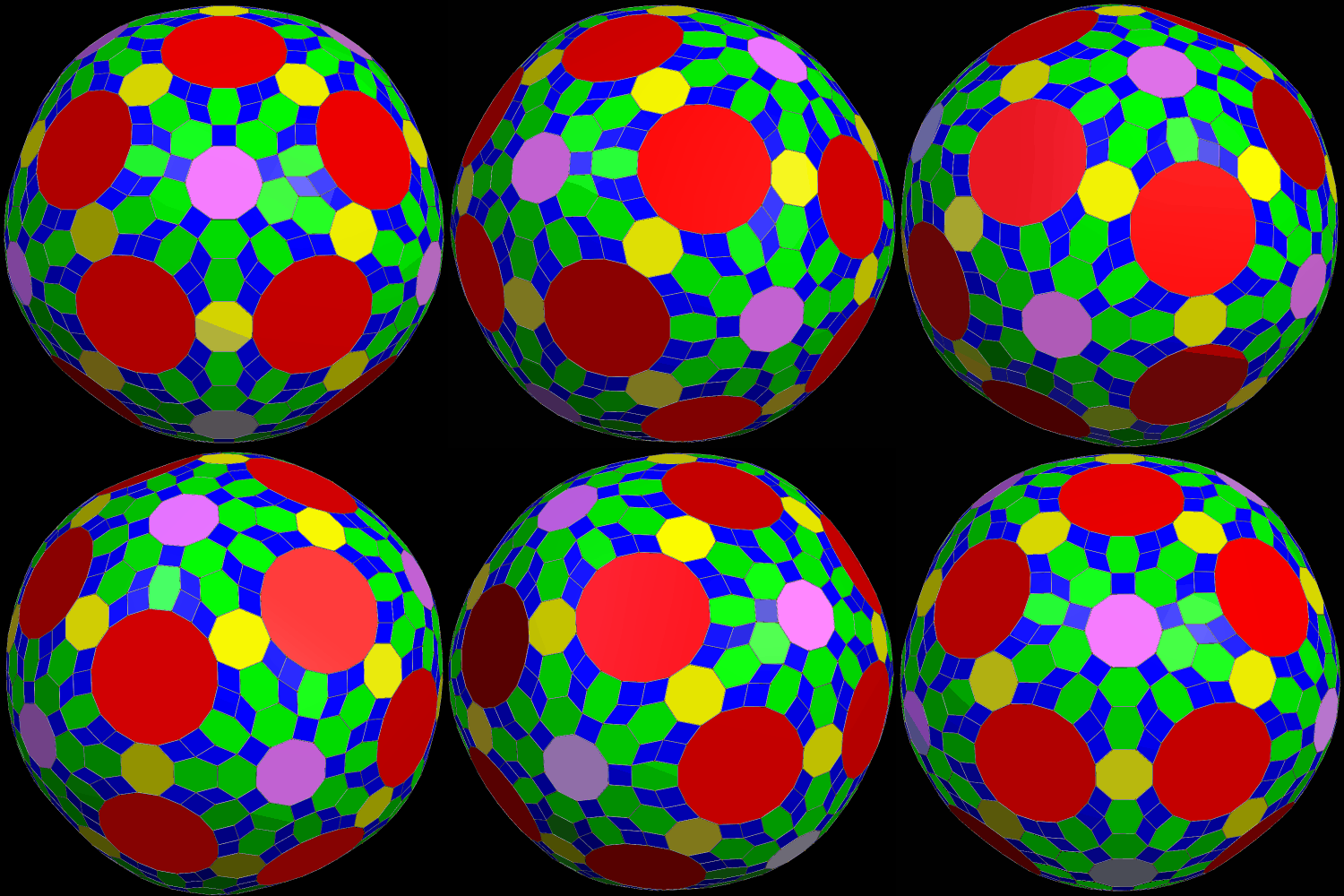
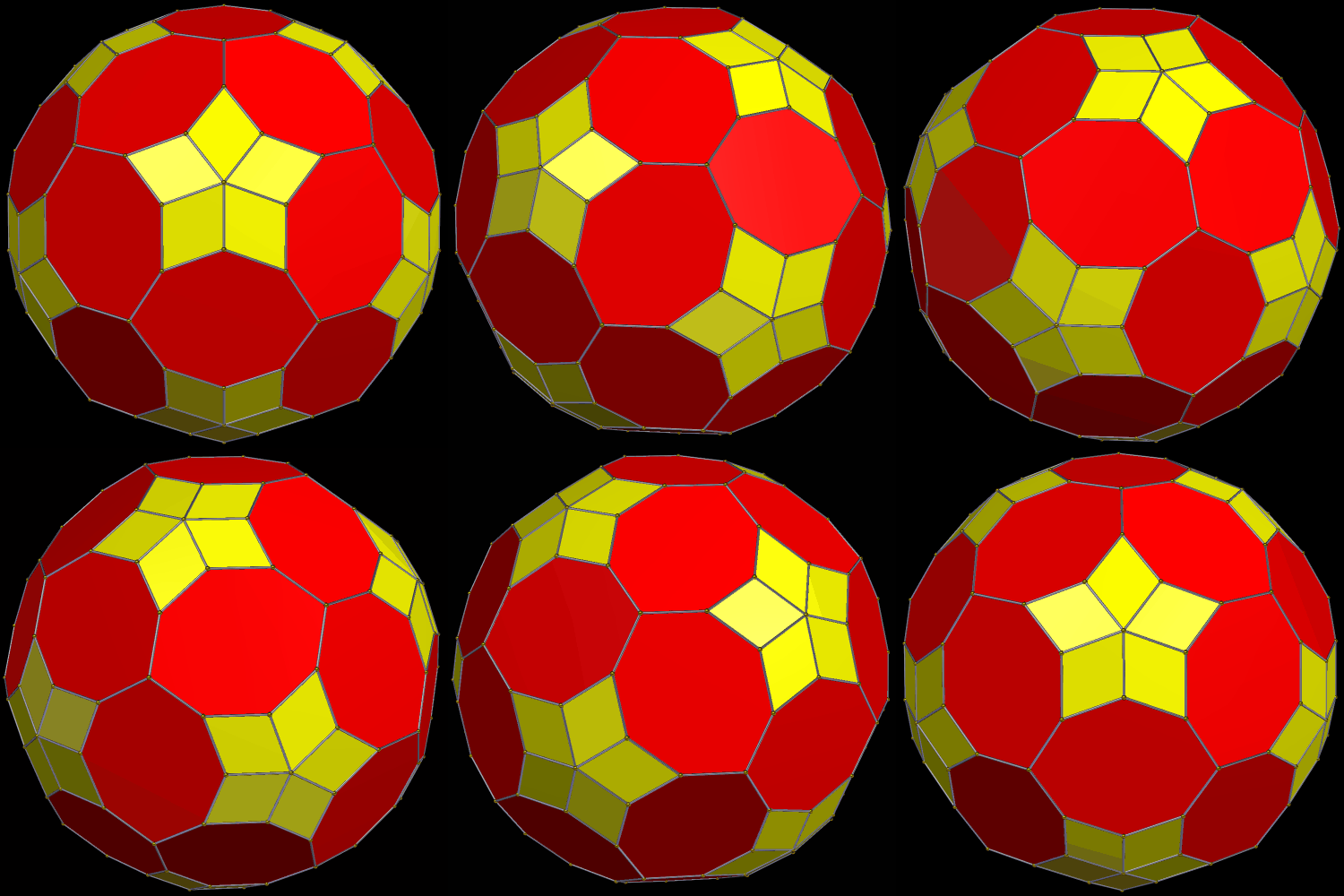

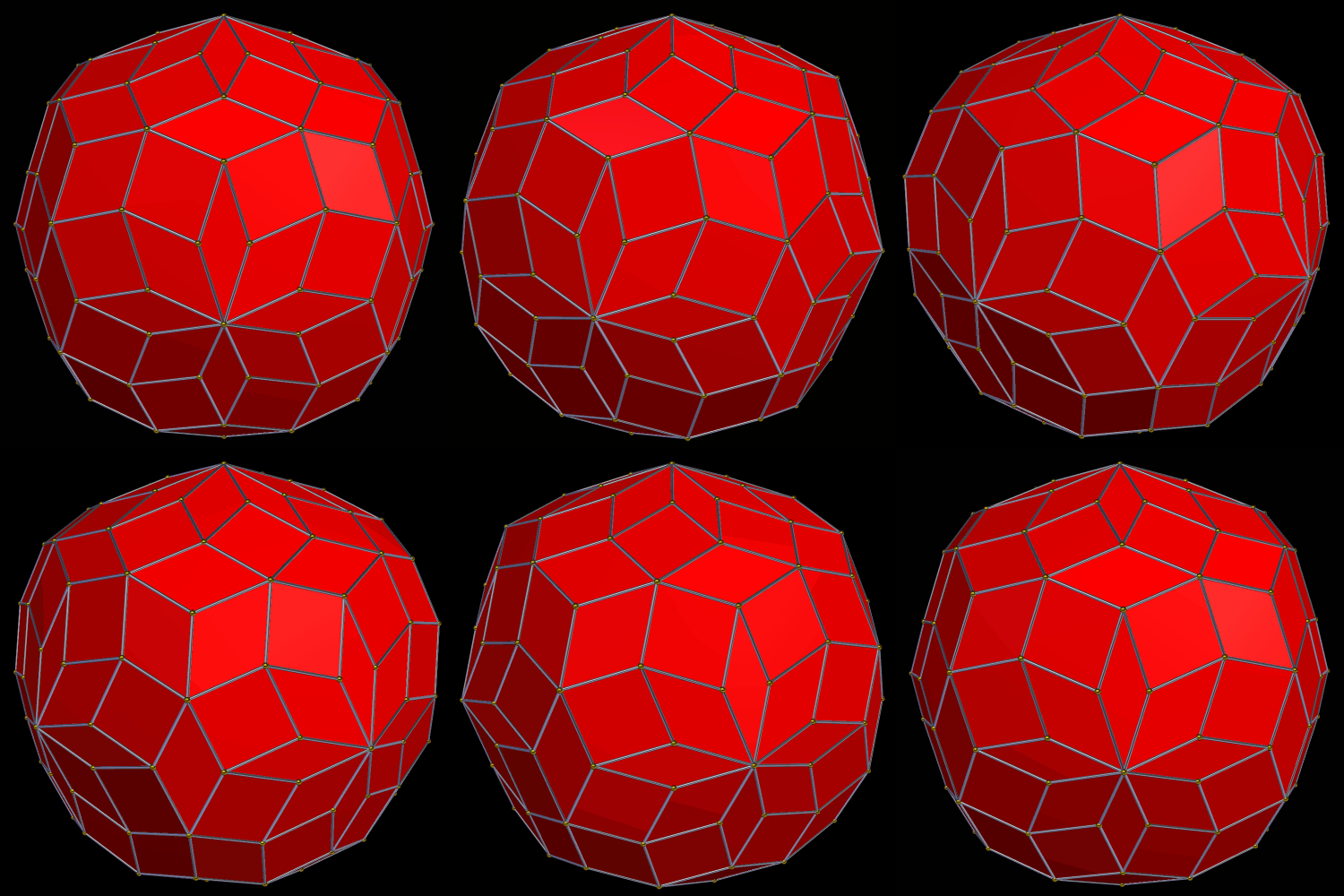
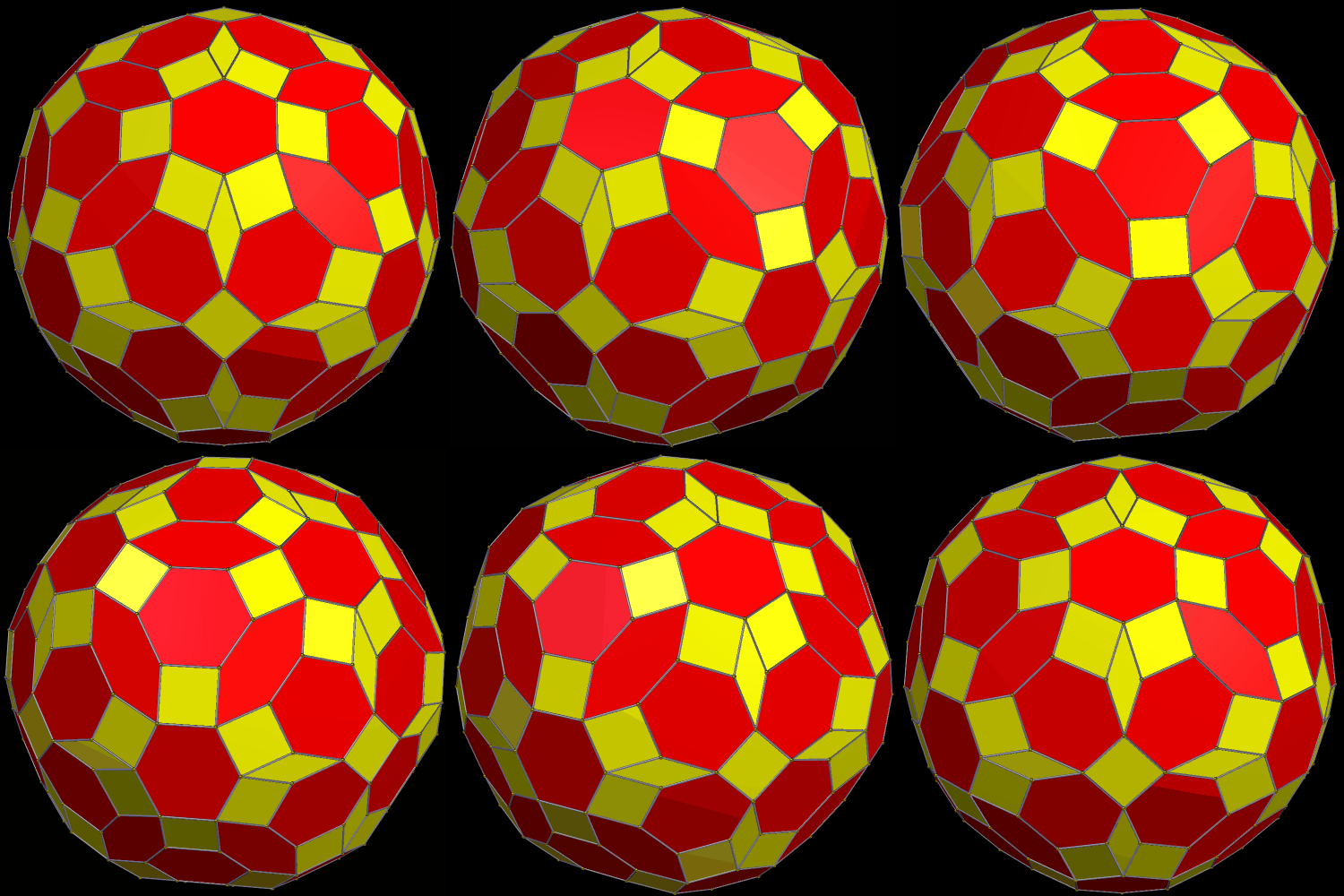
I made all of these using Stella 4d: Polyhedron Navigator. This program may be tried for free at this website.
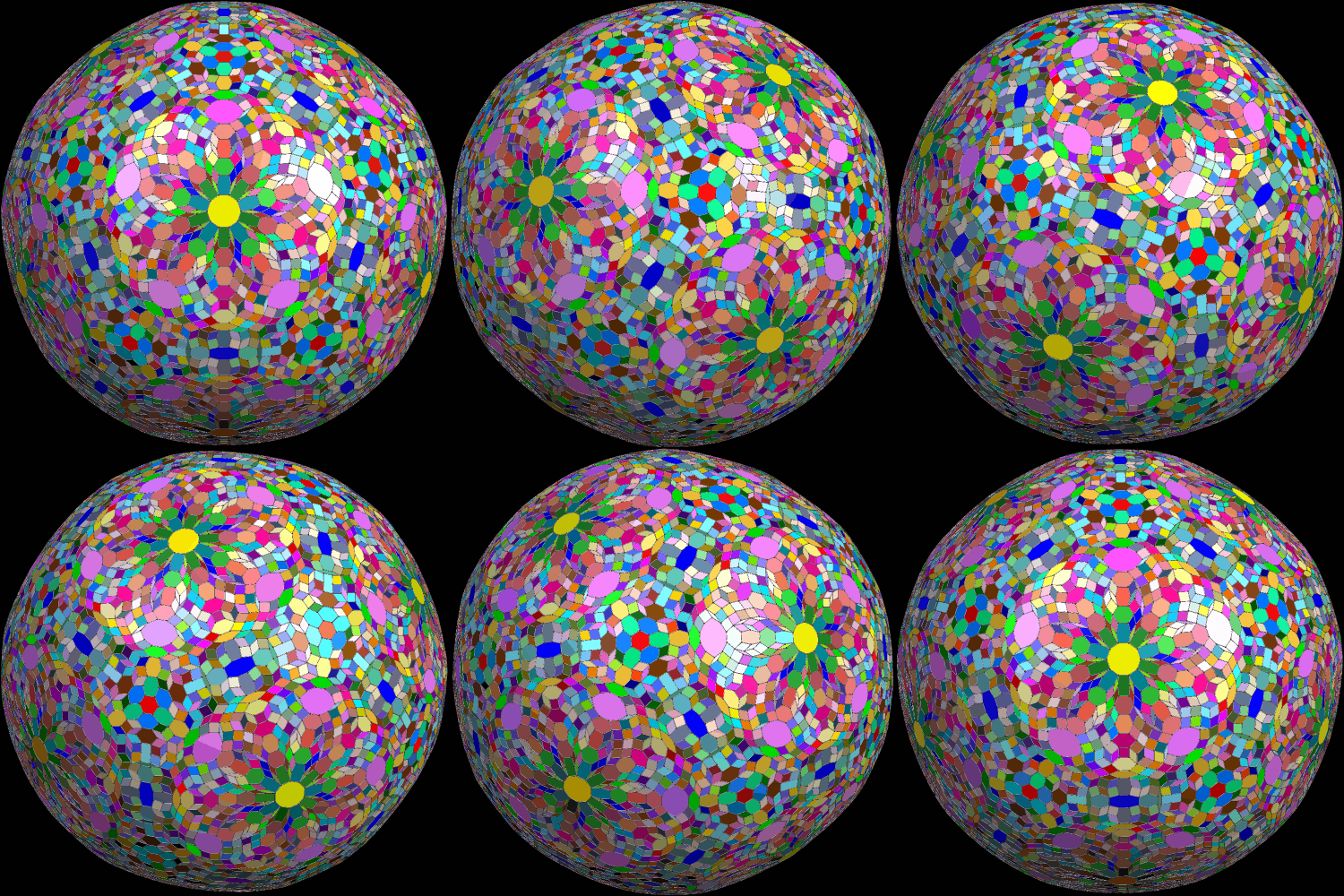
Zonohedra with surprisingly large numbers of faces are easy to make with Stella 4d: Polyhedron Navigator. This program is sold at http://www.software3d.com/Stella.php, where there is also a free trial download offered.


Software used to make these gifs: Stella 4d, available here.
Zonohedra are a subset of polyhedra. In a zonohedron, all the faces are zonogons. A zonogon is a polygon with an even number of sides, as well as having opposite sides both congruent and parallel. This small collection of rotating zonohedra was made using Stella 4d, a program you can try for yourself at this website.
Also, if you want to see a larger version of any one of these zonohedra, simply click on it.


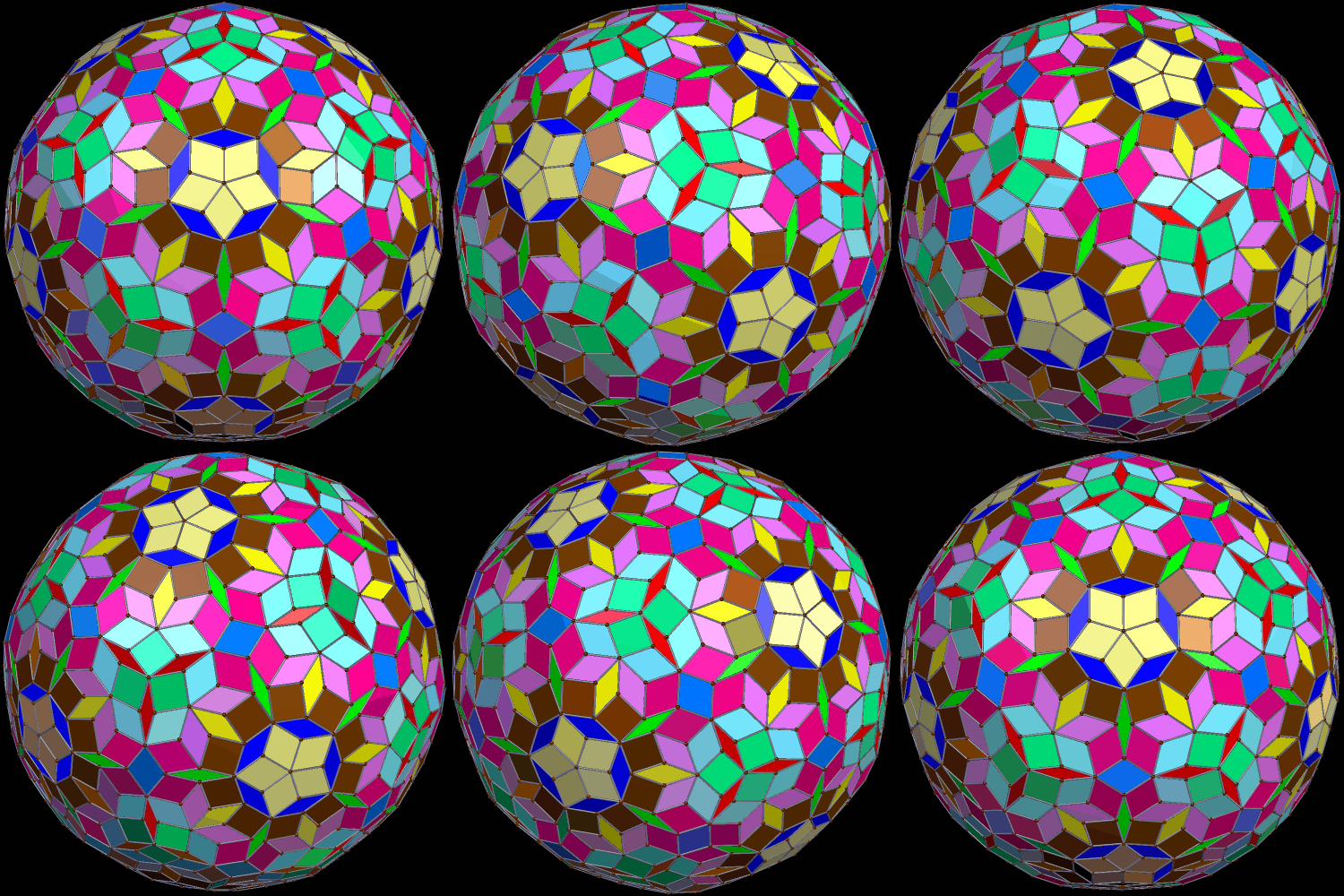
Manipulating known polyhedra in the effort to find new ones, as I did here, is made easy with Stella 4d, a program available at this website.

I used Stella 4d to make this zonohedron. This program may be tried for free at http://www.software3d.com/Stella.php.
 RobertLovesPi.net