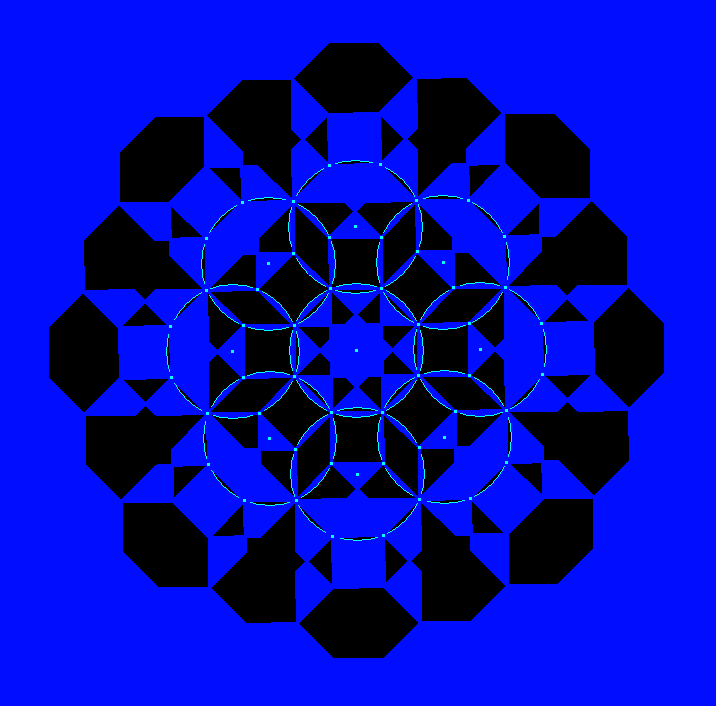
Octagons

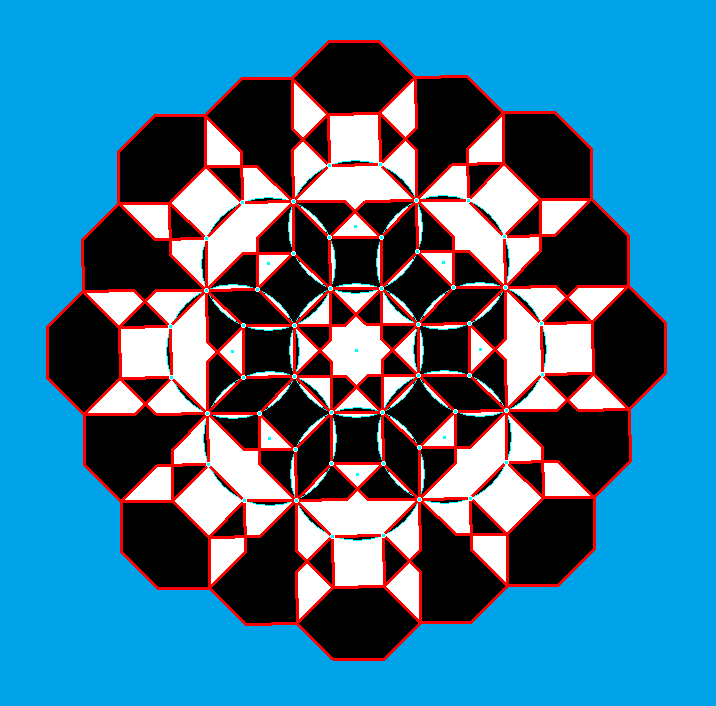
octagons

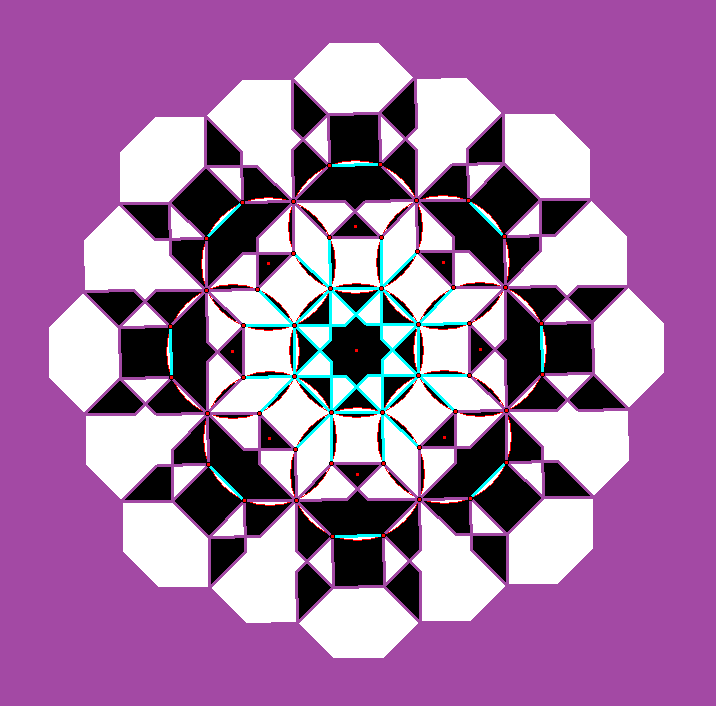
octagons2

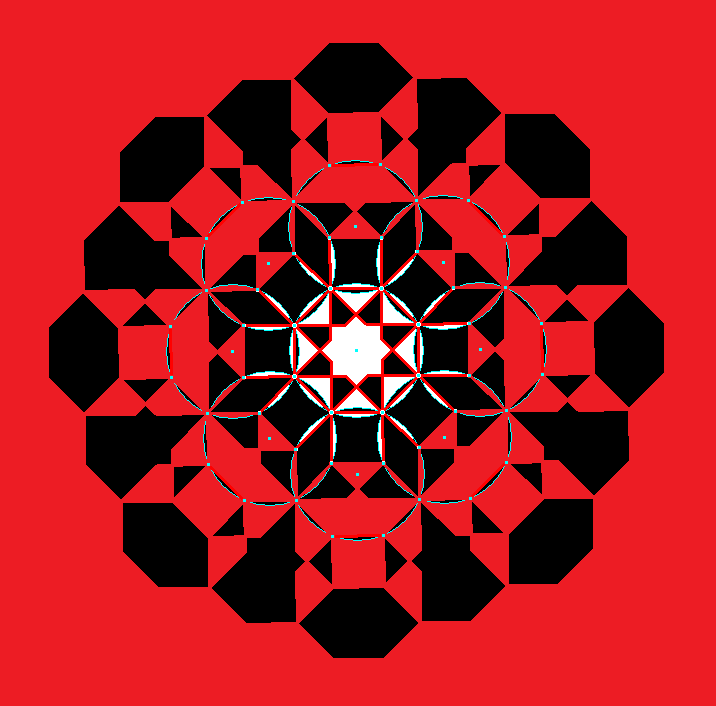
octagons3

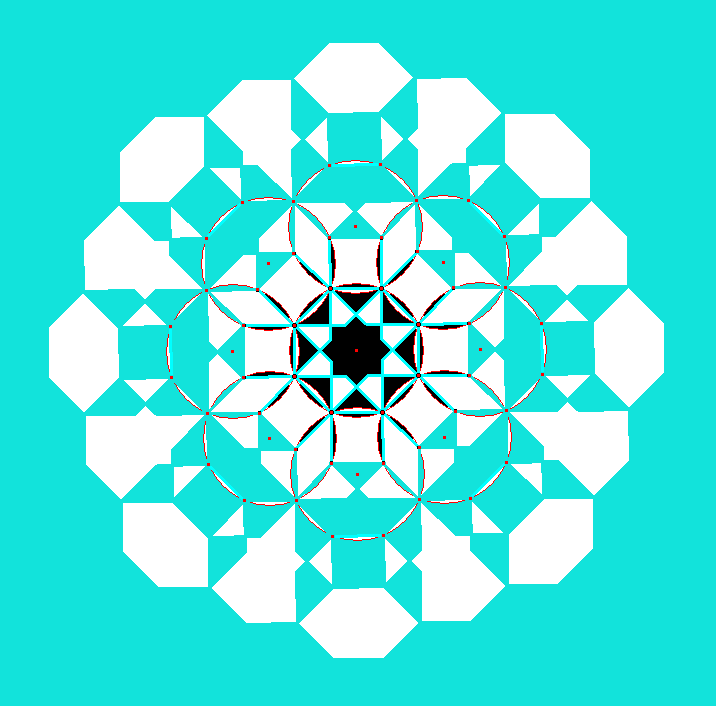
octagons4

octagons5

octagons6

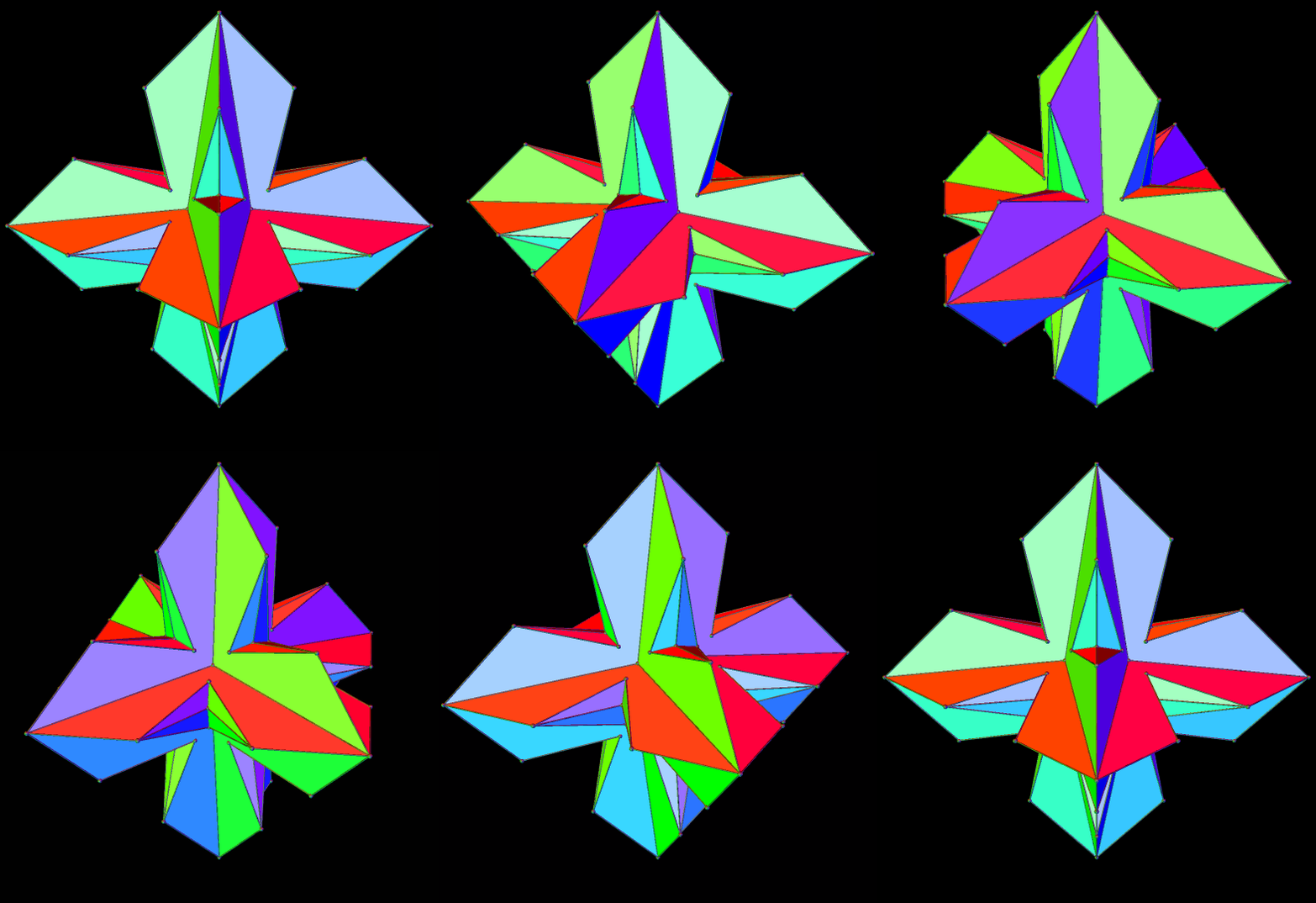
Rainbow Shamrock in Three Dimensions

rainbow shamrock in three dimensions

Created using Stella 4d, which you can find at this website.

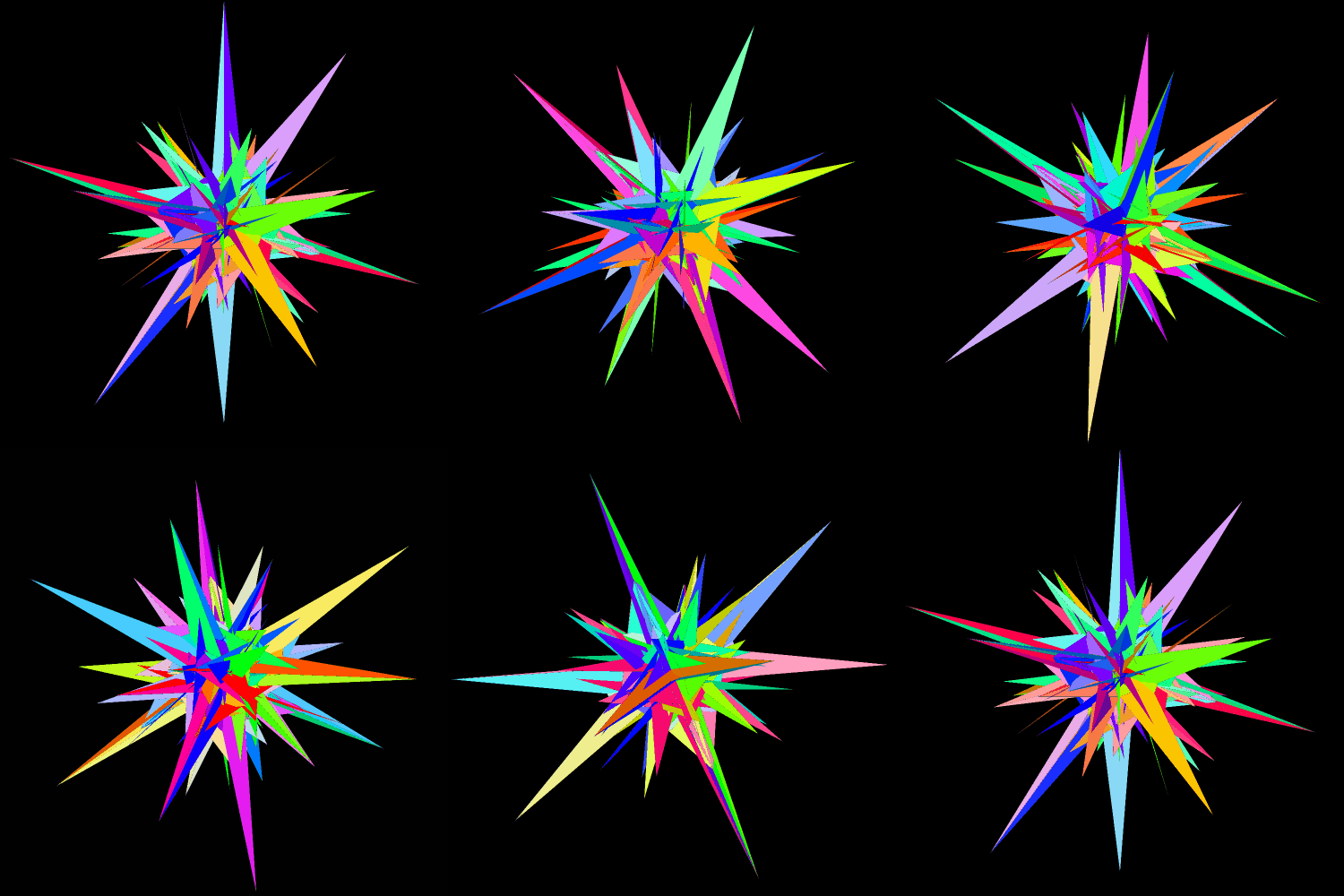
Sharp Impact

sharp impact

I made this using Stella 4d, which you can find here.

Spinning Violet

spinning violet

Created using Stella 4d, available here.

A Chiral Solution to the Zome Cryptocube Puzzle

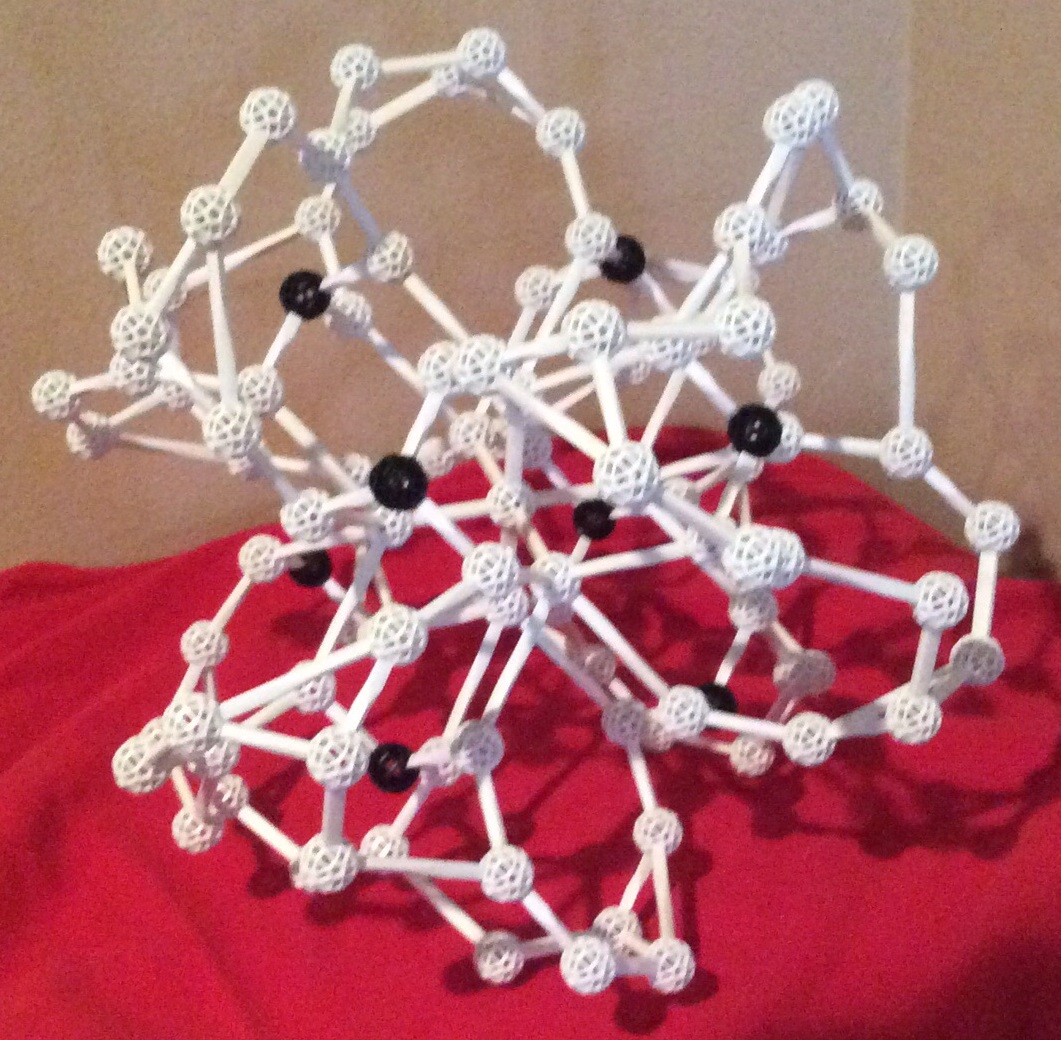
This is my second solution to the Zome Cryptocube puzzle. In this puzzle, you start with a black cube, build a white, symmetrical, aethetically-pleasing geometrical structure which incorporates it, and then, finally, remove the cube. In addition, I added a rule of my own, this time around: I wanted a solution which is chiral; that is, it exists in left- and right-handed forms.

image (34)

It took a long time, but I finally found such a chiral solution, one with tetrahedral symmetry. Above, it appears with the original black cube; below, you can see what it looks like without the black cube’s edges.

image (35)

Icosidodecahedral Stained Glass

icosidodecahedral stained glass

Polyhedra are one of the areas (there are at least a few others) where the fields of mathematics and art intersect. Stella 4d, the program I used to make this image, is a great tool for the exploration of this region of intersection. This software may be tried for free right here.

Not for Government Use

not for government use

5, 10, and 15 (from 2012)

5 10 and 15 from 2012

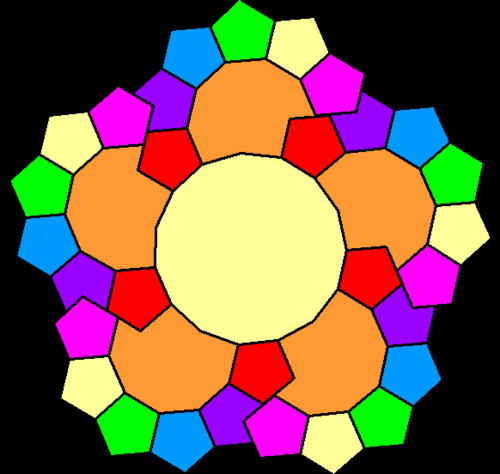
I recently found a bunch of my “lost” geometrical art which never found its way to this blog before, and here’s the latest piece of it. Created in 2012, it has a central pentadecagon, five orange decagons partially hidden behind other polygons, and many pentagons, all of them regular.

Nine (2015) / Nine (2013)

First, the newer version I just made:

nine 2015

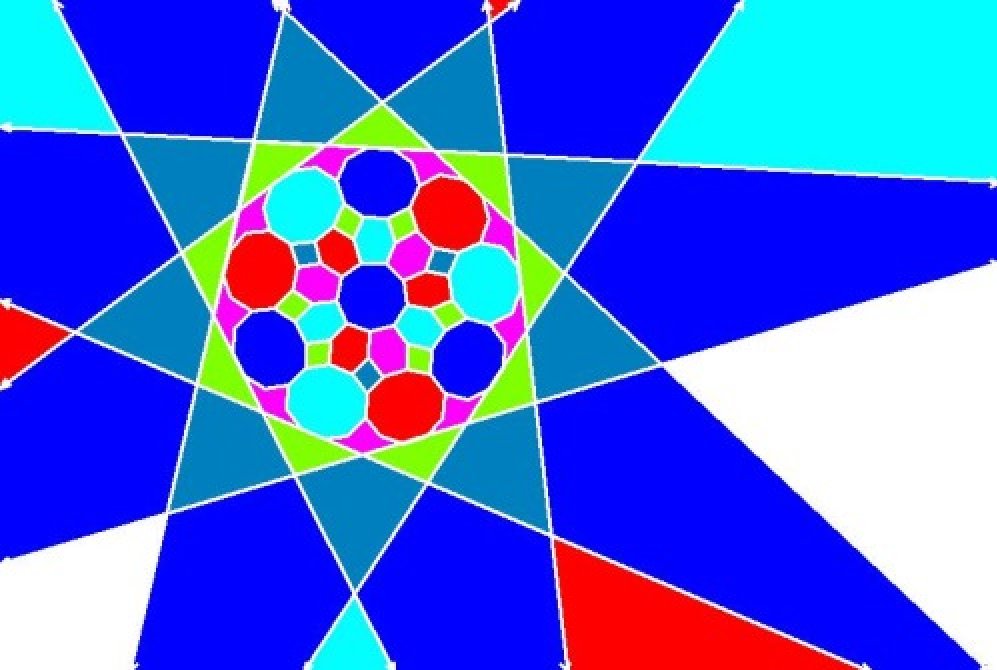
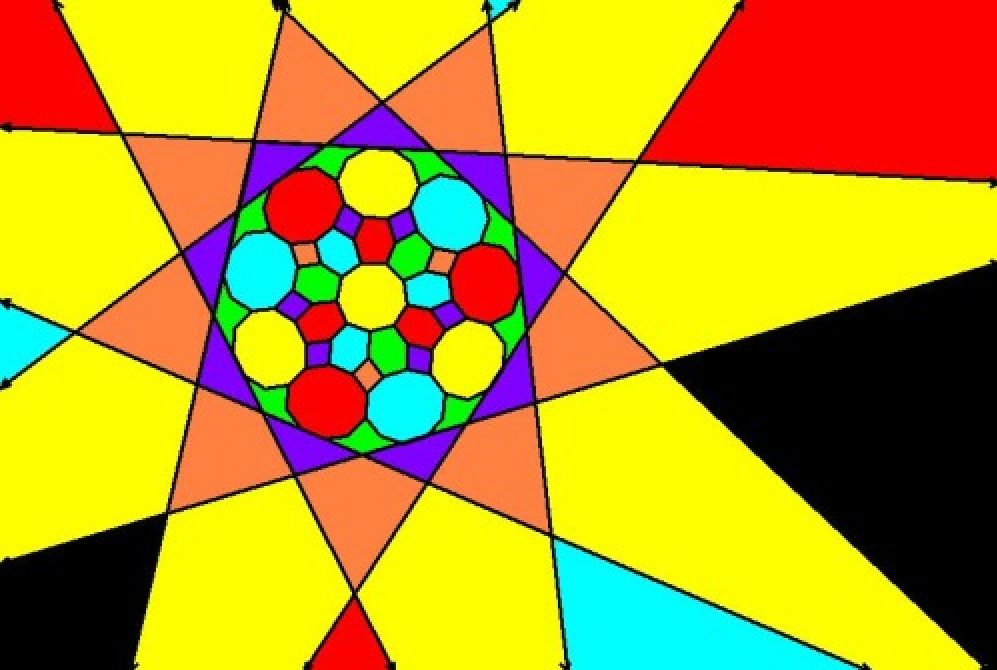
Next, the 2013 version, which I recently found, along with a bunch of other previously-lost stuff from around then. The two are simply color-inversions of each other, according to the rules for color-inversion used by MS-Paint.

nine 2013

Euclid’s Spiders

euclid's spiders

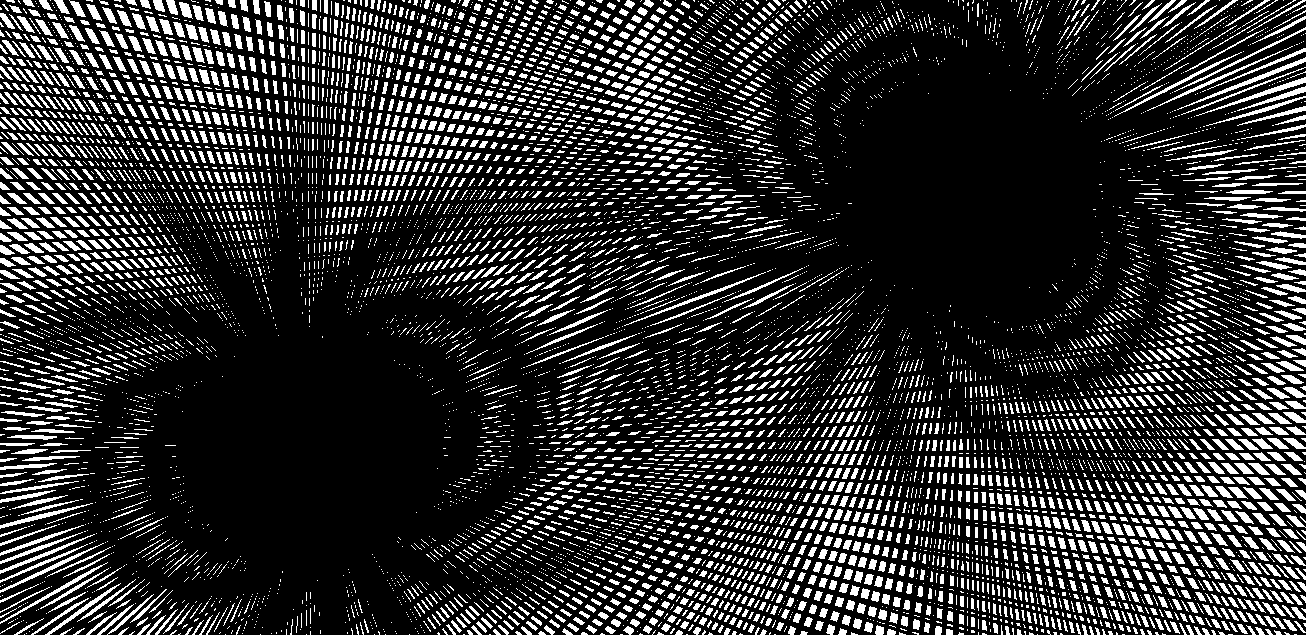
The image of two black spiders above is created by interference, and is an example of an interference pattern. The figures which are interfering are four points (and the rays which go with them), two close together on the right, and two close together on the left, but with the two pairs in different orientations. Each point has 240 rays emanating from it, and the rays are equidistant (in terms of angle measure), making each of these rays one euclid (1.5º) apart from its nearest neighbors.