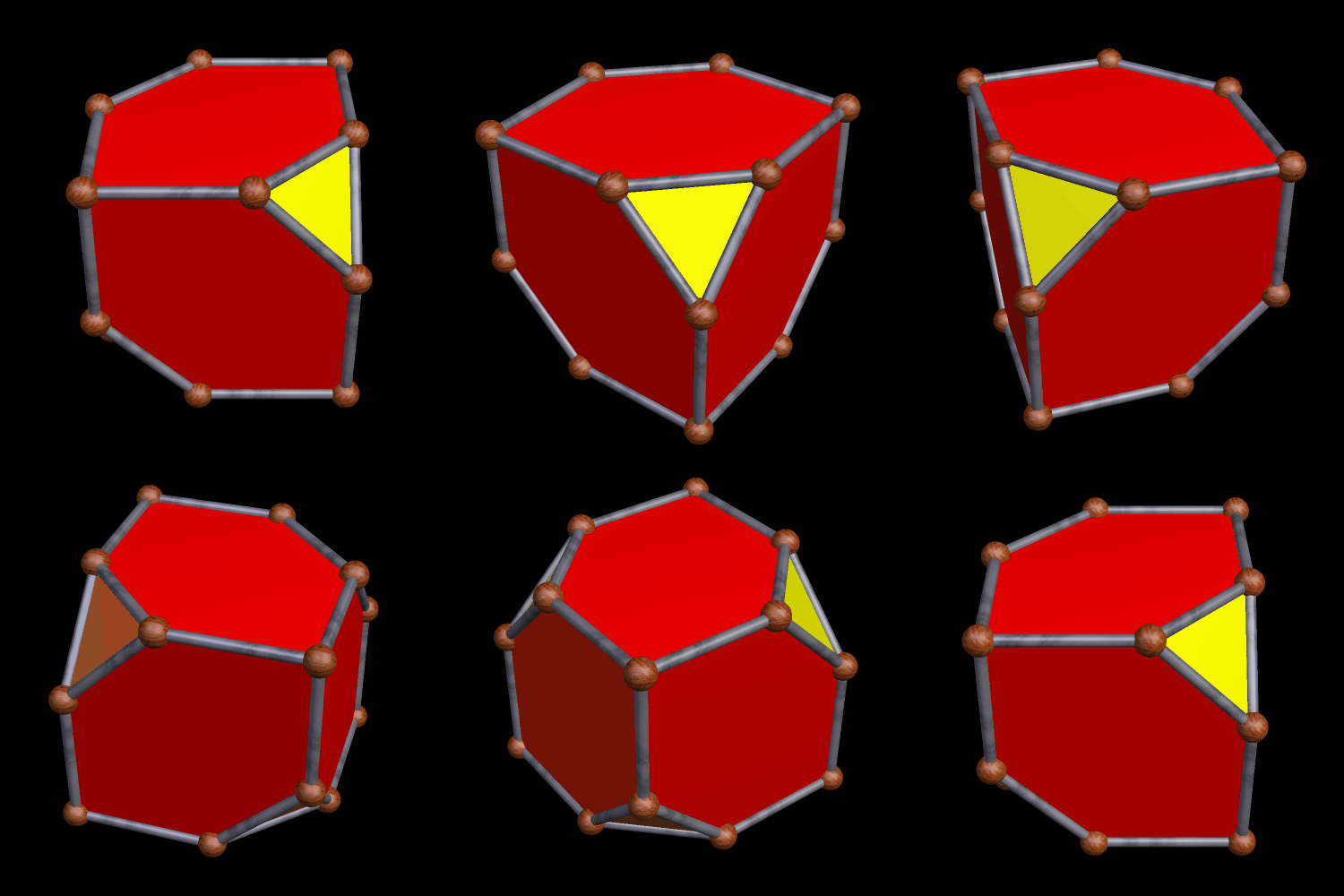
One could call this a half-truncated cube. A fully truncated cube has eight triangular faces, created by truncation, and this has half as many.
(See here for more information on Stella 4d, the software used to create this image.)
One could call this a half-truncated cube. A fully truncated cube has eight triangular faces, created by truncation, and this has half as many.
(See here for more information on Stella 4d, the software used to create this image.)
The simplest way for many to understand pyritohedral symmetry is simply to realize that it is the symmetry of the seams in a volleyball. The first time I encountered this unusual symmetry-type was in the golden icosahedron I blogged about here, a figure which much resembles this pyritohedral icosahedron, except the dozen isosceles triangles in this one have a leg-to-base ratio which is not the golden ratio.
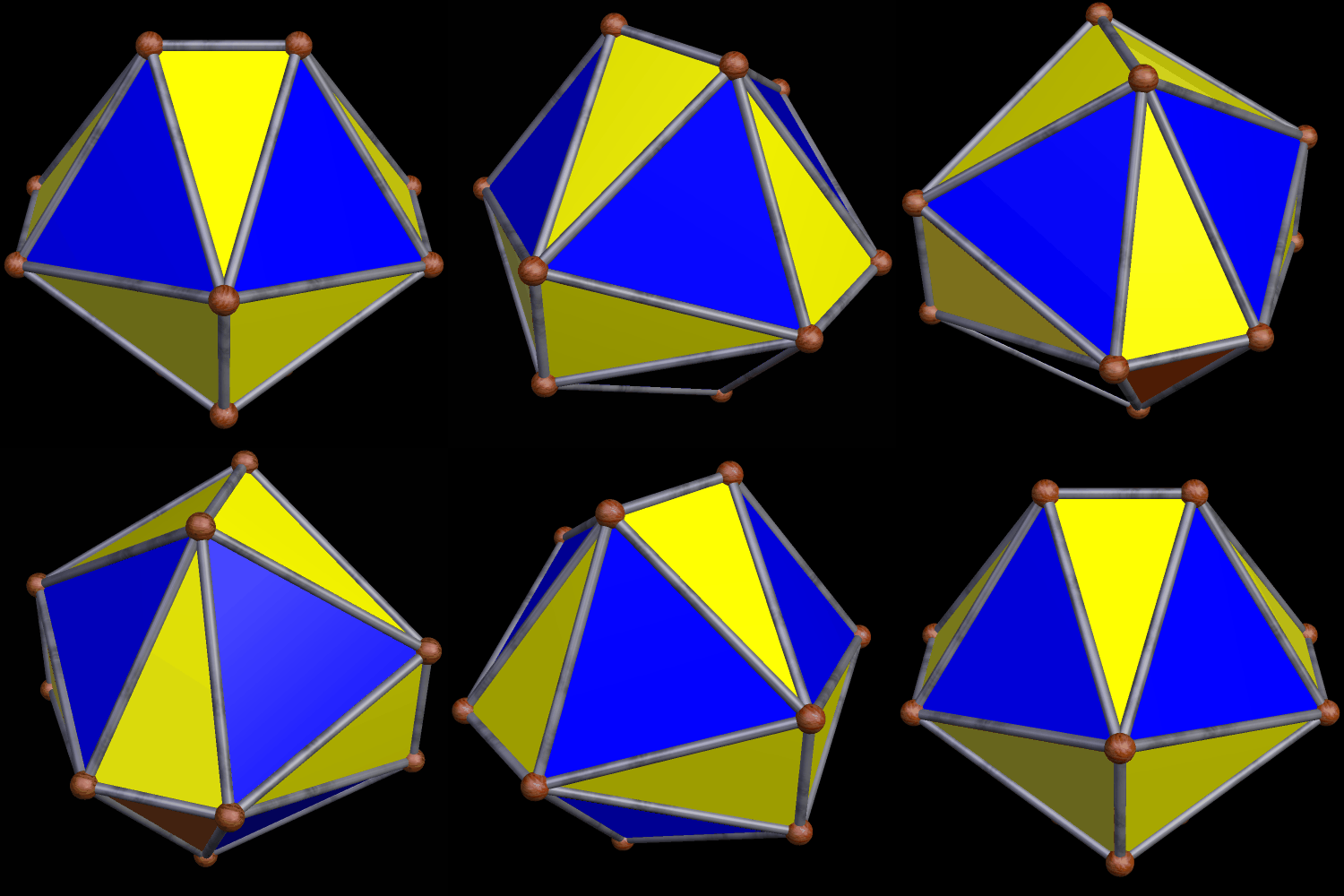
Earlier today, I went on a search for polyhedra with pyritohedral symmetry. I found several, but the worthwhile findings from the search are far from exhausted. Here are some others I found, exploring and manipulating polyhedra using Stella 4d, which you can try at this website.
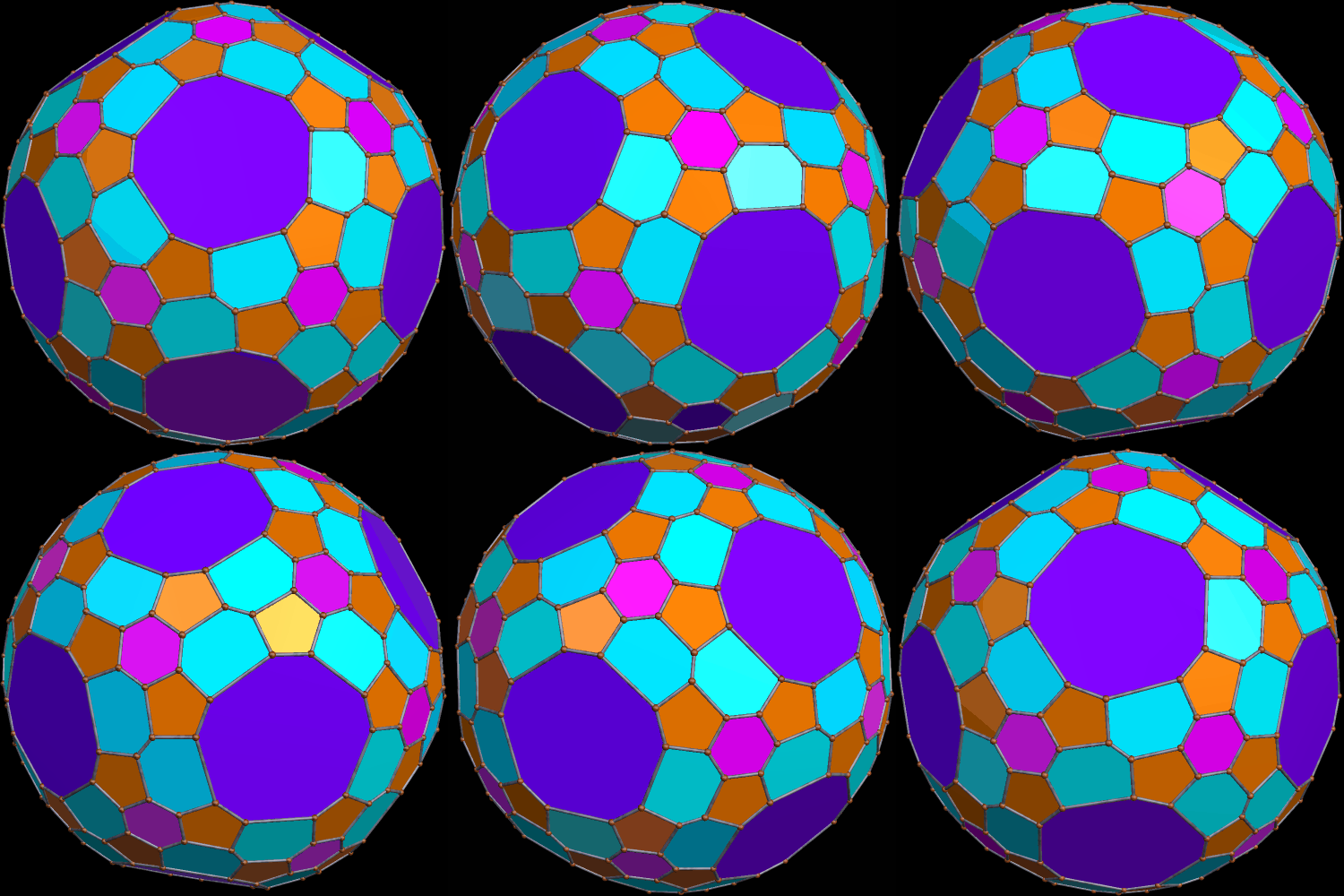
 In the version of the pyritohedral icosahedron above, the twelve green triangles have become heptagons which use very short sides to approximate triangles. The one below is of a similar figure, but one in which truncations has happened, so I call it a truncated pyritohedral icosahedron.

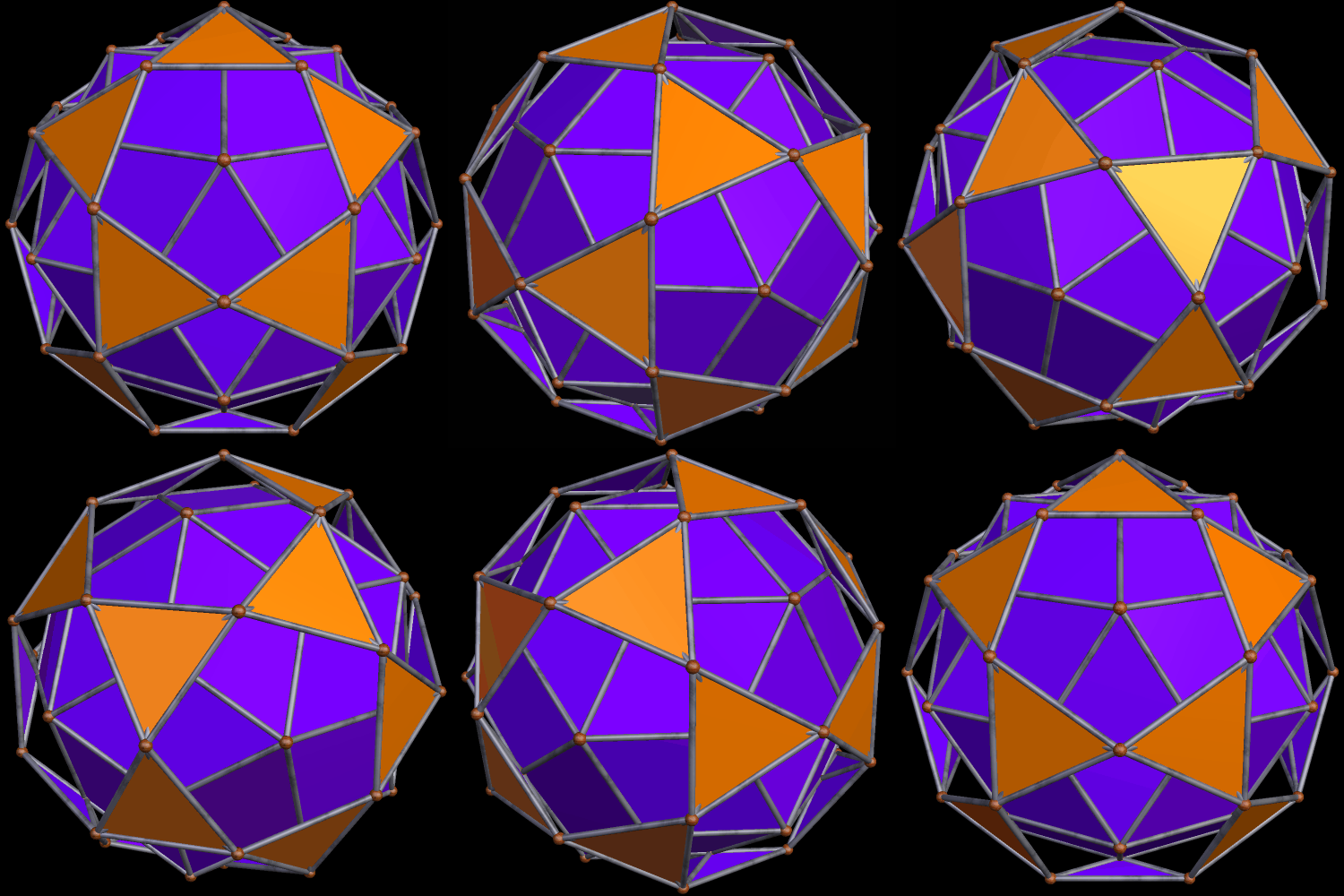
There also exist many pyritohedral polyhedra based, more or less, on the cube. These are a few I have found:
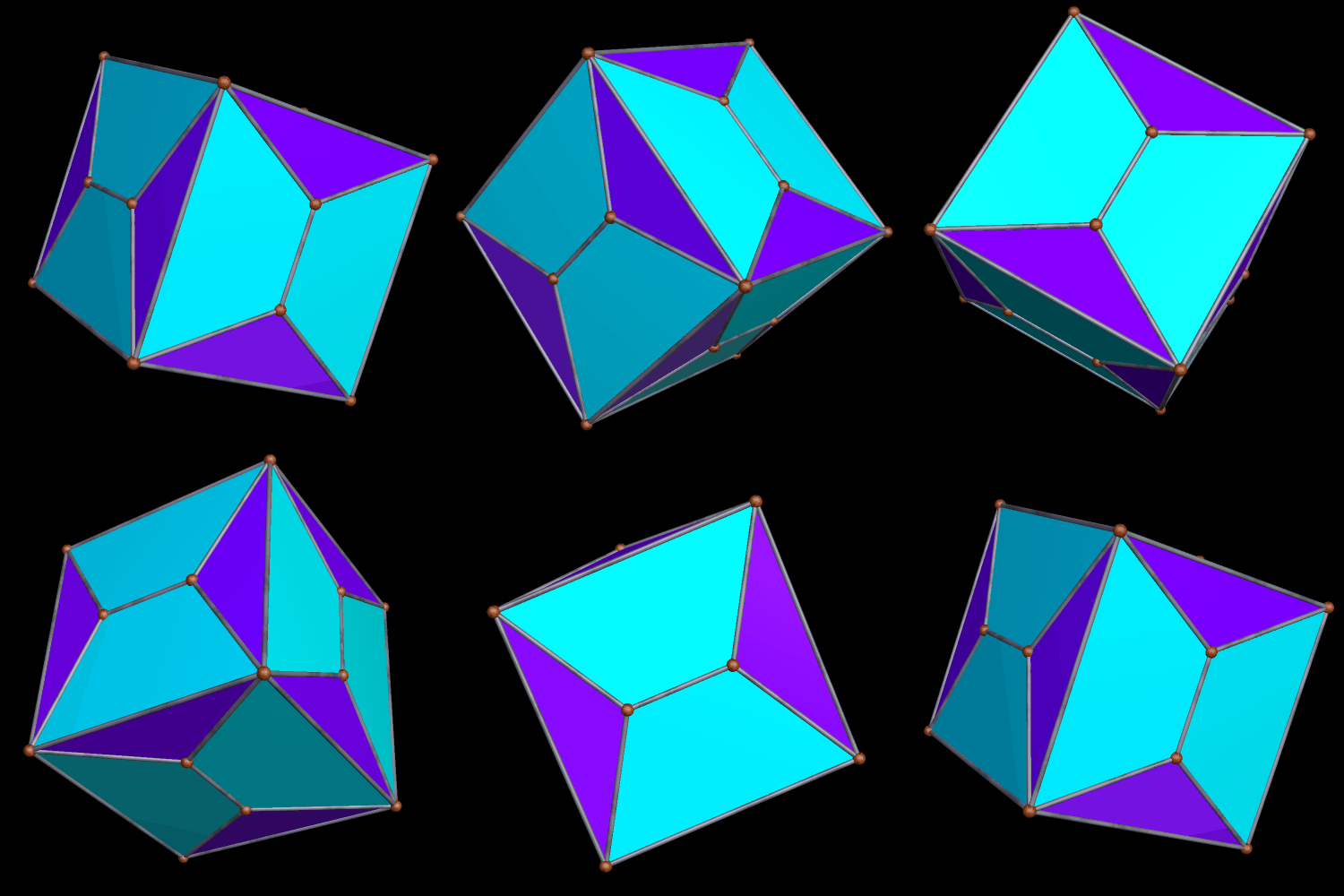


Now, is this next one a pyritohedral cube, or a pyritohedral dodecahedron? A case could be made for either, so it inhabits a “gray zone” between varying categories.
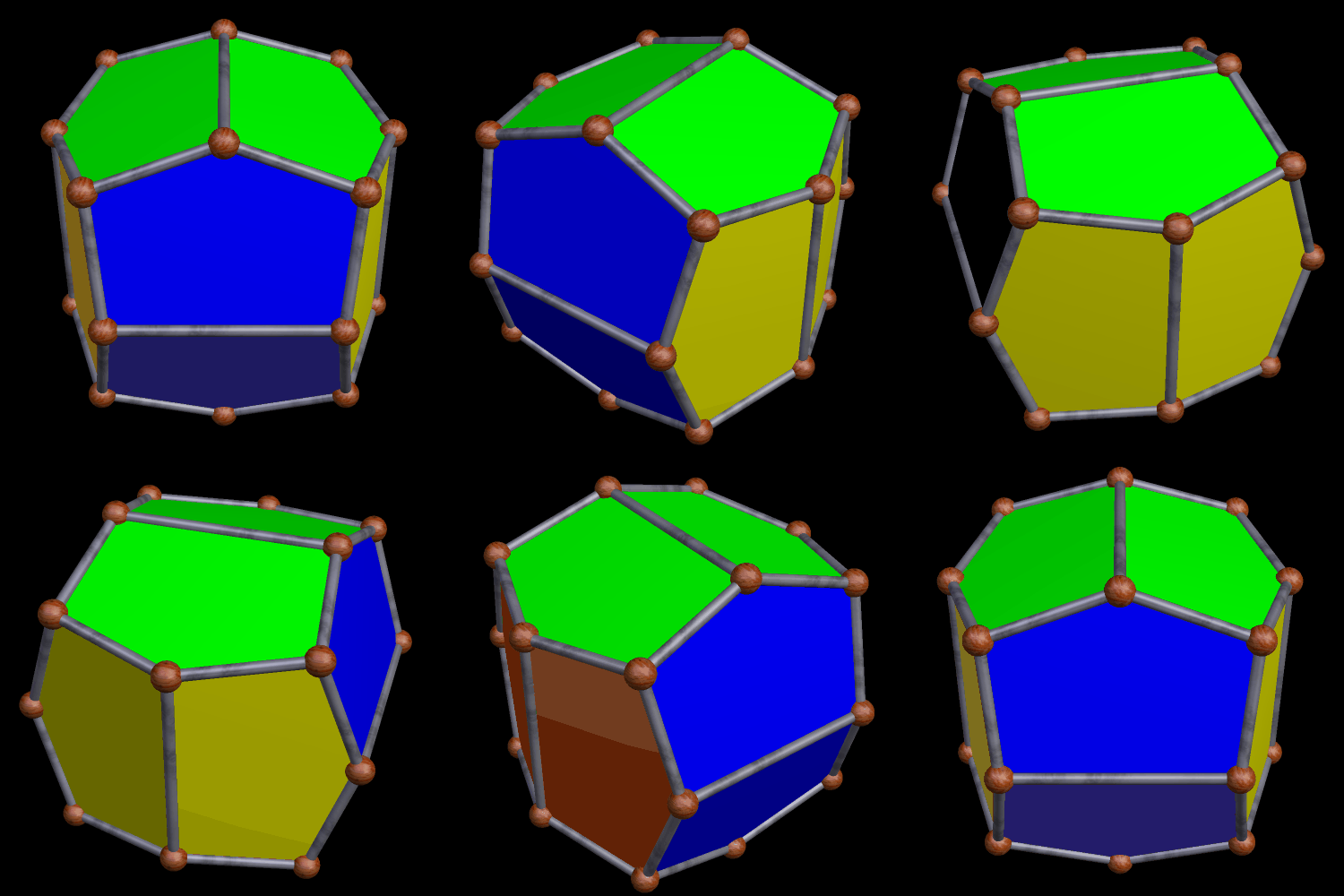
Here is a pyritohedral icosidodecahedron:
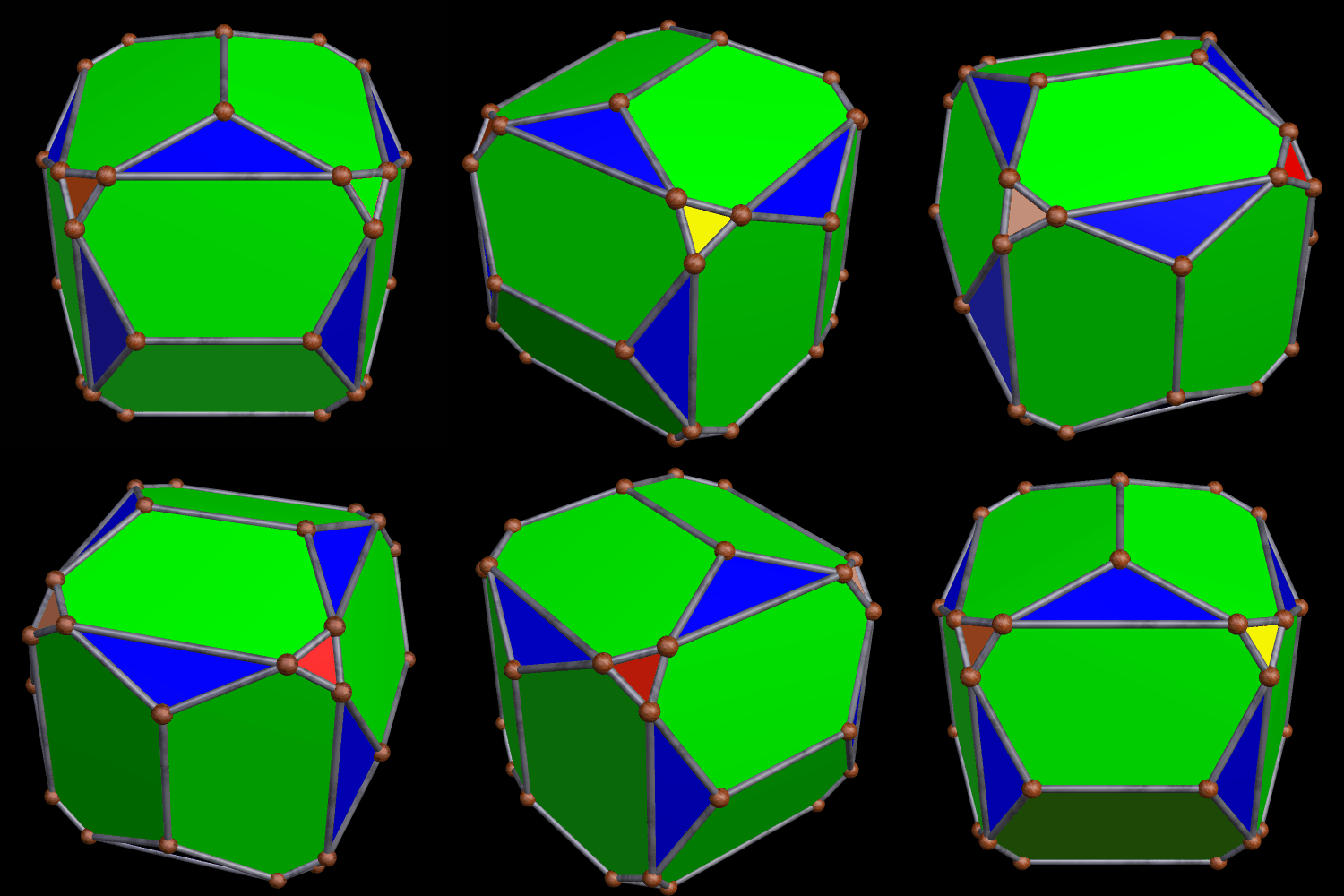
This one could probably be described in multiple ways, also, but it looks, to me, like a rhombic dodecahedron with its six four-valent vertices being double-truncated in a pyritohedral manner, with pairs of isosceles trapezoids appearing where the truncations took place.
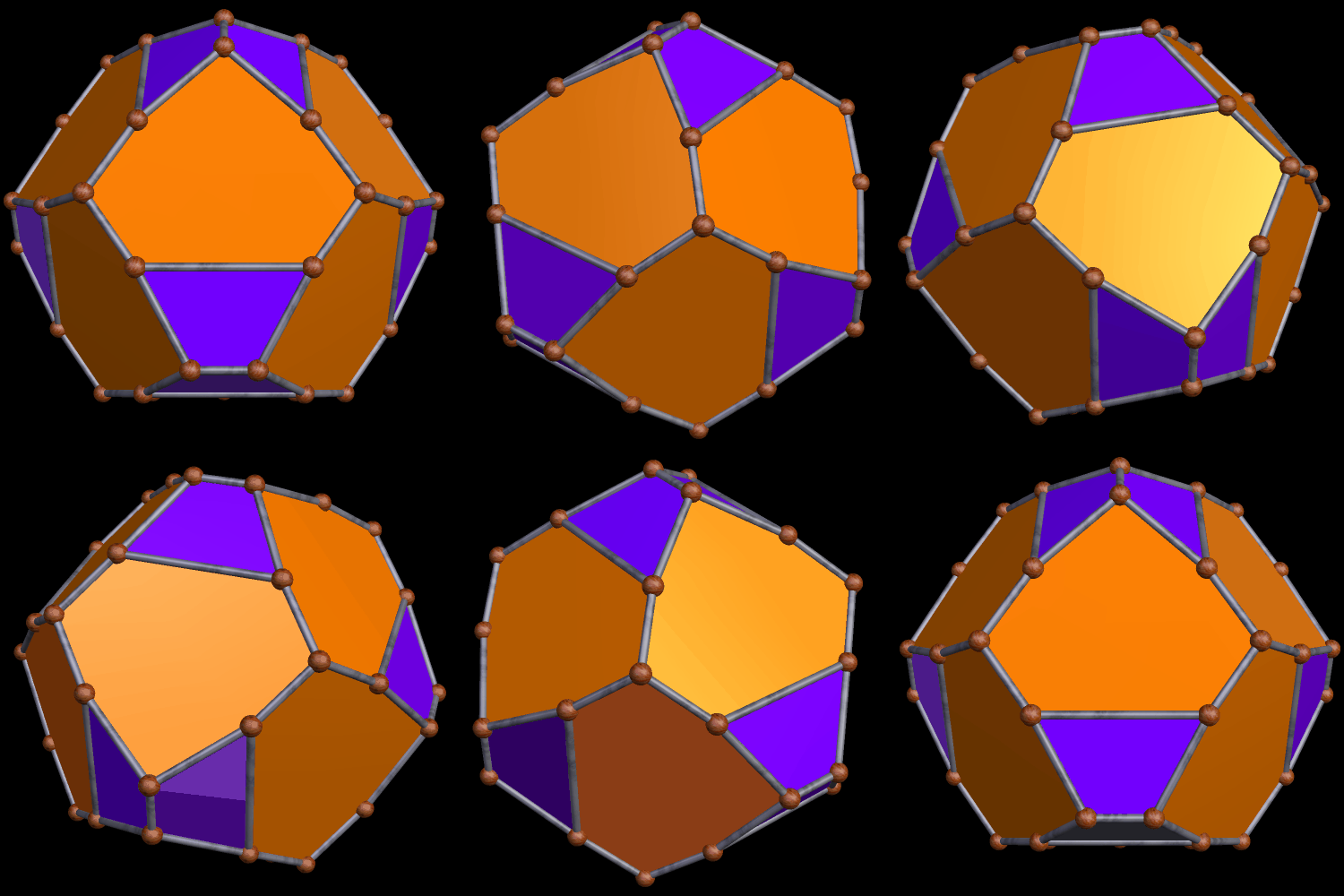
One thing that this one, and the last, have in common is that the largest faces are heptagons. It appears to be a pyritohedral dodecahedron which has been only partially truncated.

This survey could not have been performed without a program called Stella 4d, which I rely on heavily for polyhedral investigations. It may be purchased, or tried for free, at http://www.software3d.com/Stella.php.
Aren’t you glad to know that? As soon as I found out icosahedra can form a rhombic dodecahedron (see last post), I knew this would be true as well. Why? Zome explains why, actually. It’s at http://www.zometool.com. Anything buildable with yellow Zome can be built out of icosahedra. Dodecahedra con form anything buildable with red Zome. Finally, if you can make it with blue Zome, it can be built out of rhombic triacontahedra. It follows that rhombicosidodecahedra can build anything Zome-constructible — but one look at a Zomeball makes that easy to believe, since Zomeballs are modified rhombicosidodecahedra.
Anyway, here’s the rhombic triacontahedron, made of dodecahedra:
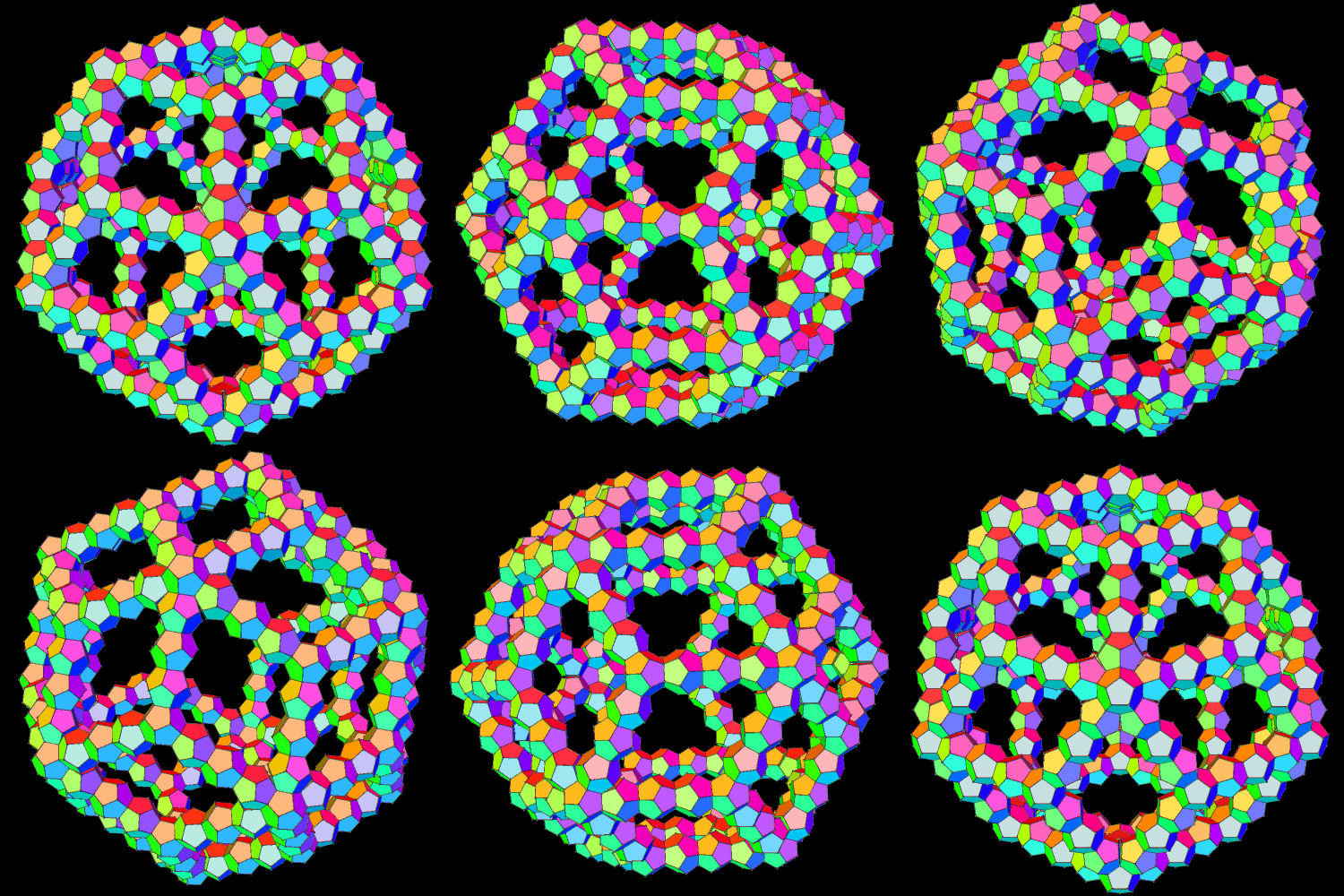
[Image created with Stella 4d; see http://www.software3d.com/Stella.php for more info re: this program.]

I used Stella 4d: Polyhedron Navigator to make this. You can find this program at http://www.software3d.com/Stella.php.
The reason I am not calling this a compound of three octahedra is that the faces of the dipyramids aren’t quite equilateral. They are, however, isosceles.

This was created with Stella 4d, which you can buy, or try for free, right here.
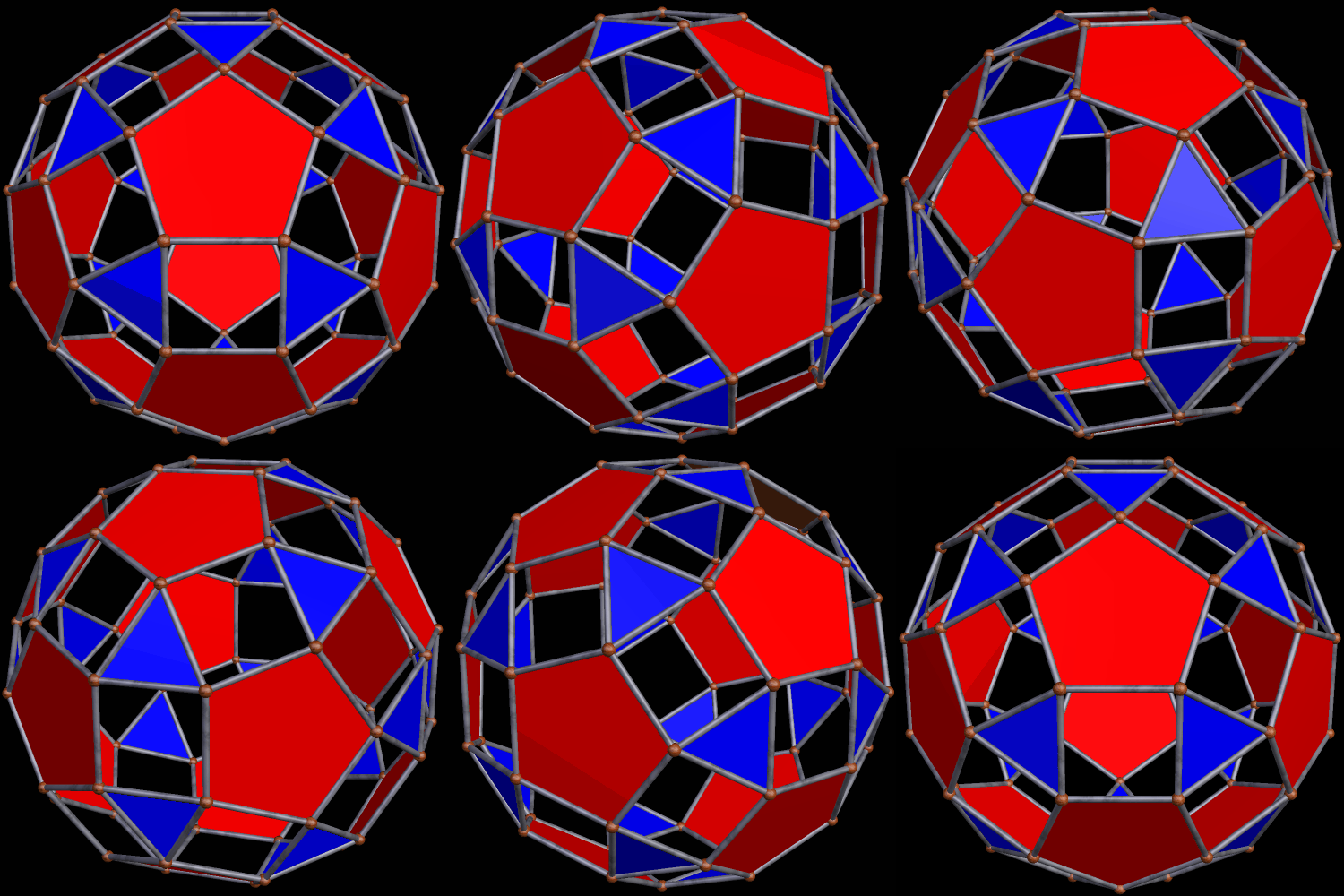
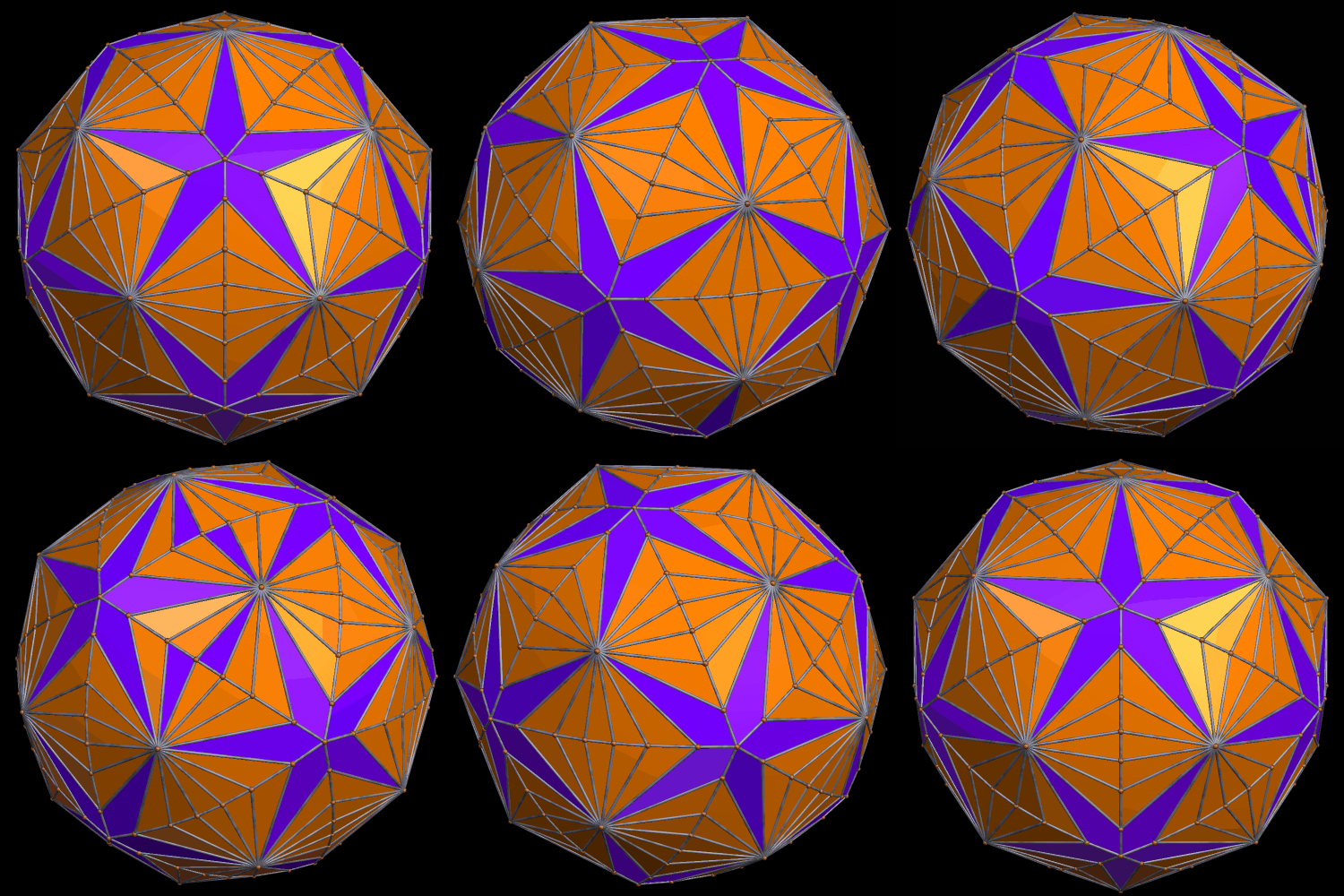
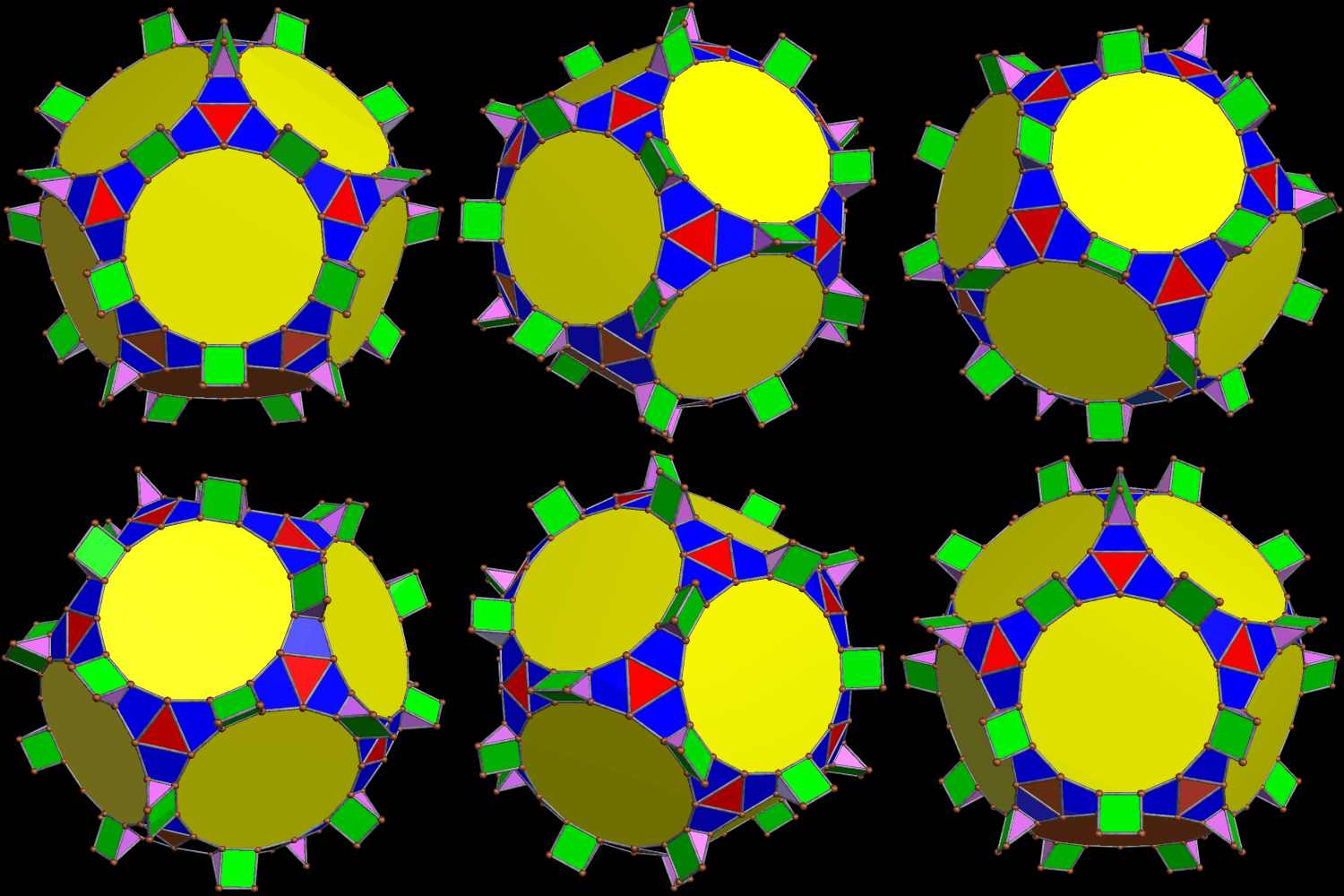
The polyhedron above originally had thirty yellow square faces, but I rendered them invisible so that the interior structure of this polyhedron could be seen.
When stellating such a partially-invisible figure, the new faces “inherited” from the “parent polyhedron” are either visible or invisible, depending on which type of face they are derived from. This makes for a very unusual look for some stellations, such as this, the rhombicosidodecahedron’s 50th:

I created these images using a program called Stella 4d: Polyhedron Navigator. You may try it for yourself at http://www.software3d.com/Stella.php.
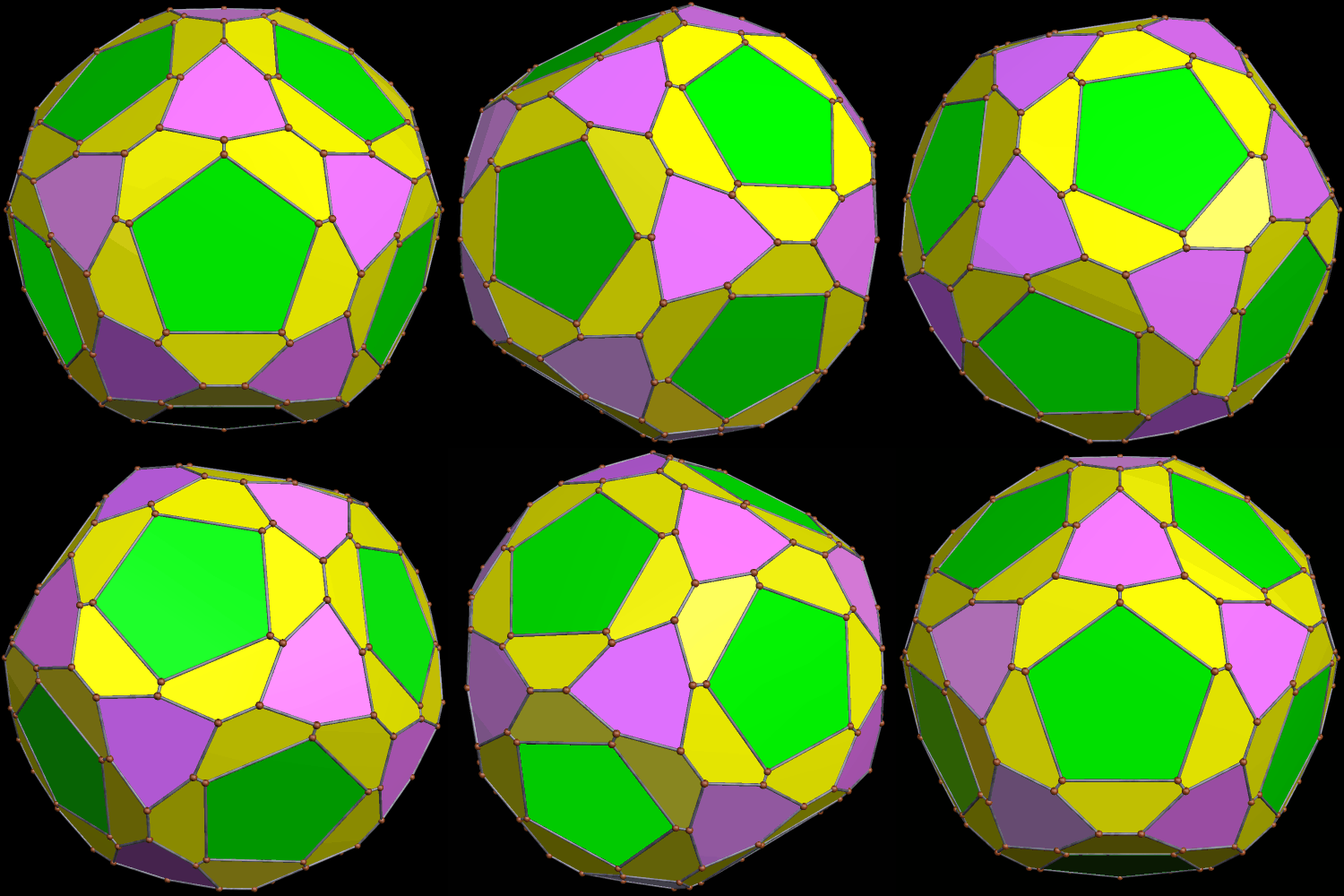
If a zonish dodecahedron is created with zones based on the dodecahedron’s vertices, here is the result.

If the same thing is done with edges, this is the result — an edge-distorted version of the great rhombicosidodecahedron.
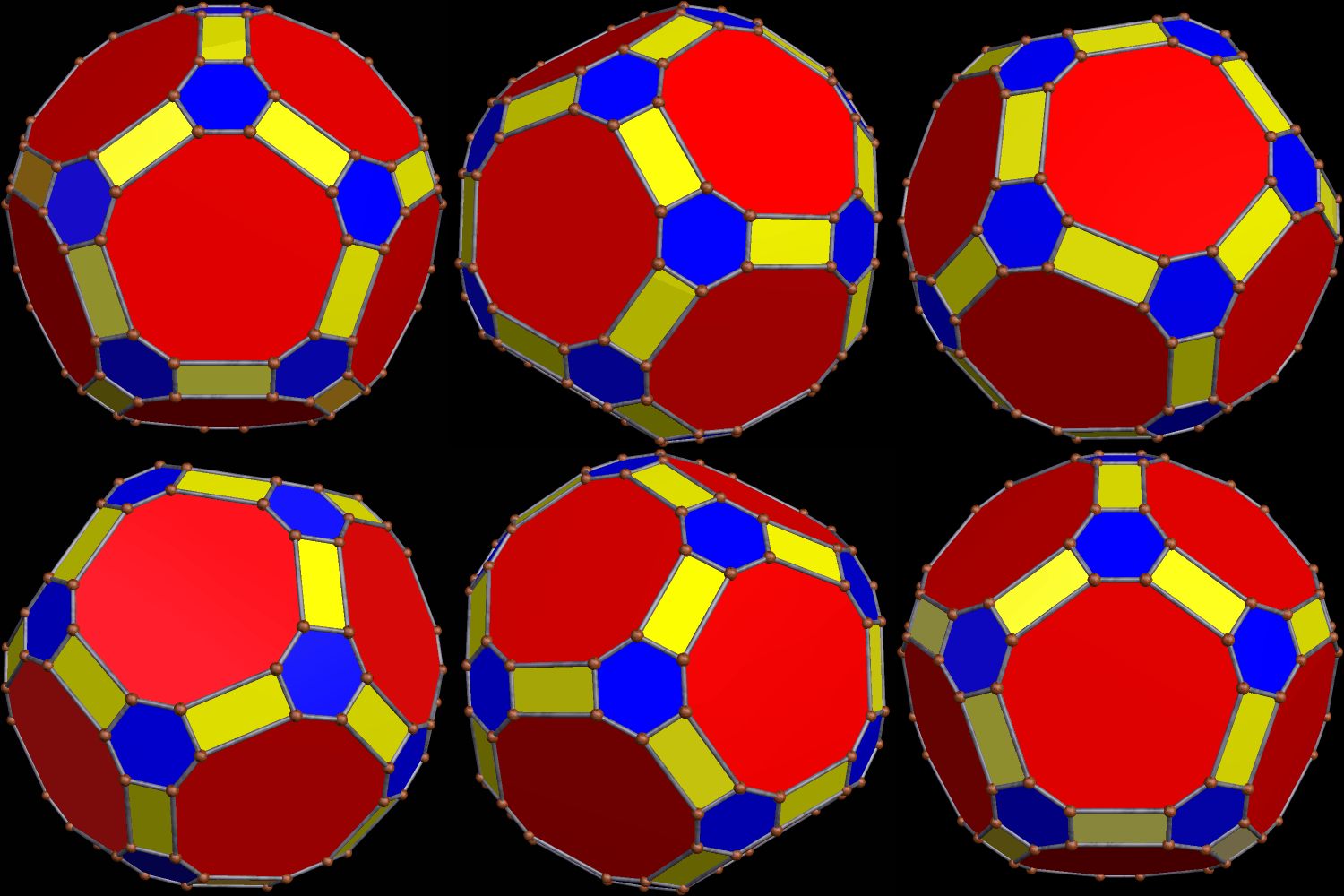
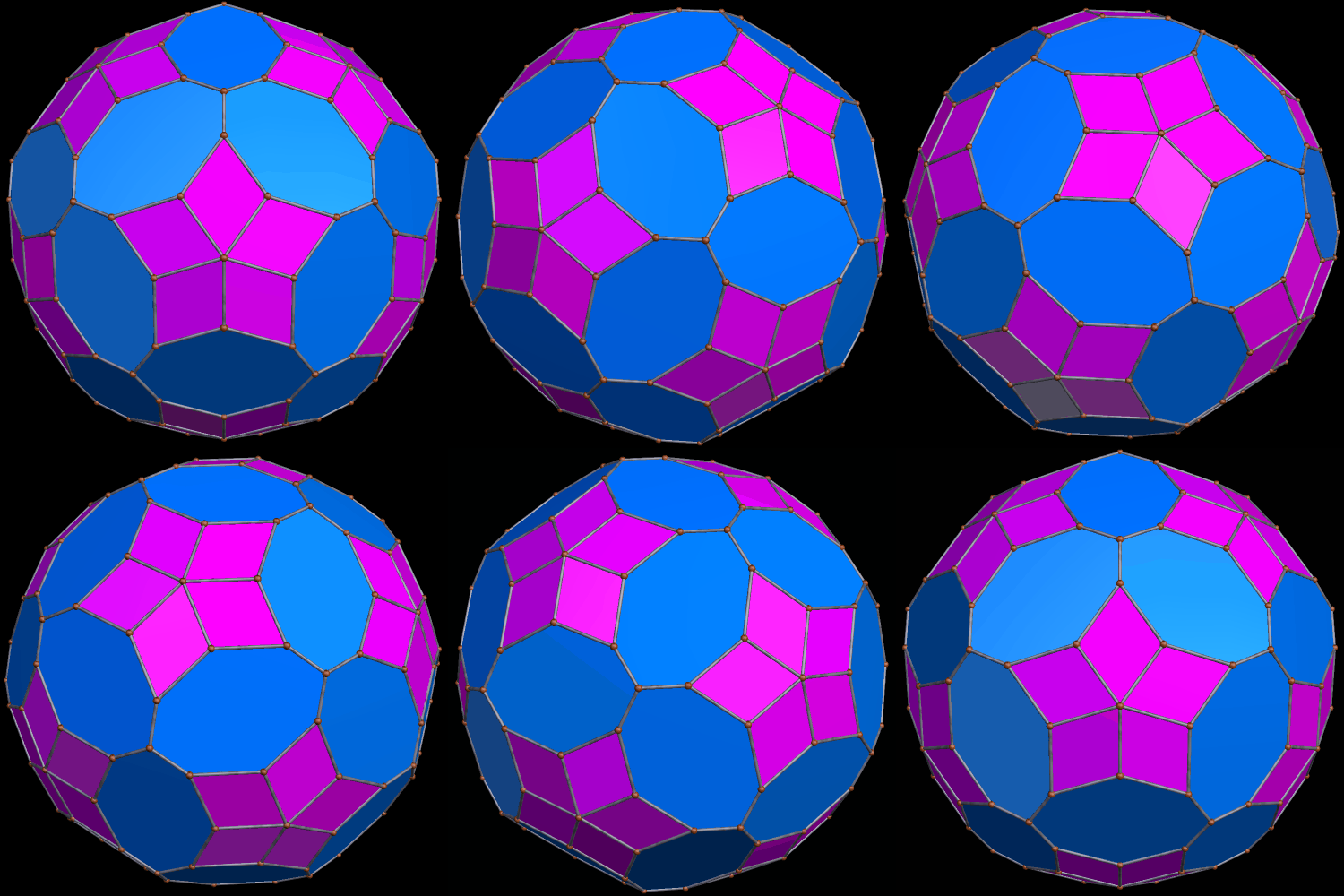
Another option is faces-only. Although I haven’t checked the bond-lengths, this one does have the general shape of the most-symmetrical 80-carbon-atom fullerene molecule. Also, this shape is sometimes called the “pseudo-truncated-icosahedron.”

The next zonish dodecahedron has had zones added based on the dodecahedron’s faces and edges, both.

Here’s the one for vertices and edges.
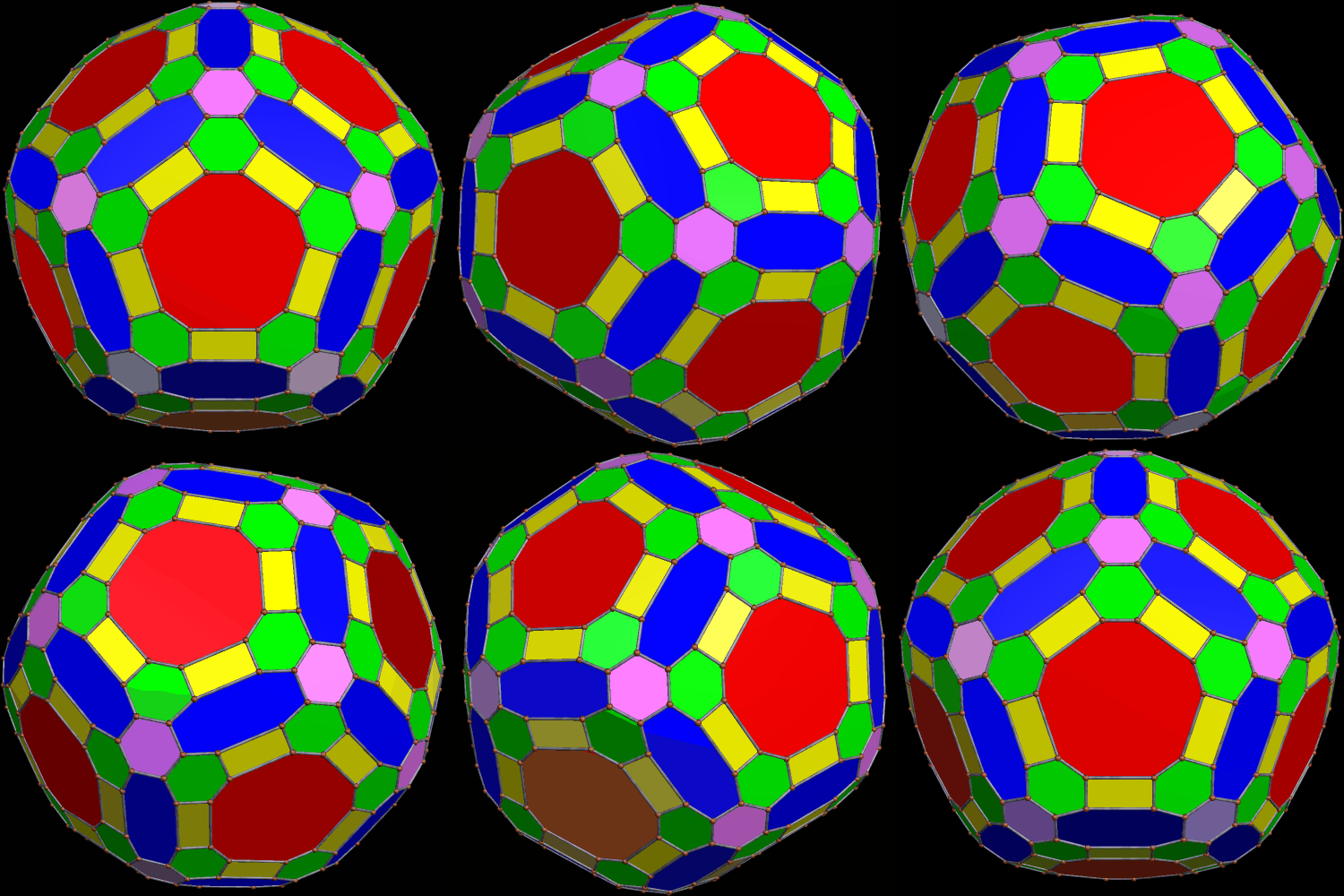
Here’s the one for faces and vertices.

Finally, the last of this set of seven has had zones added based on all three: faces, vertices, and edges.
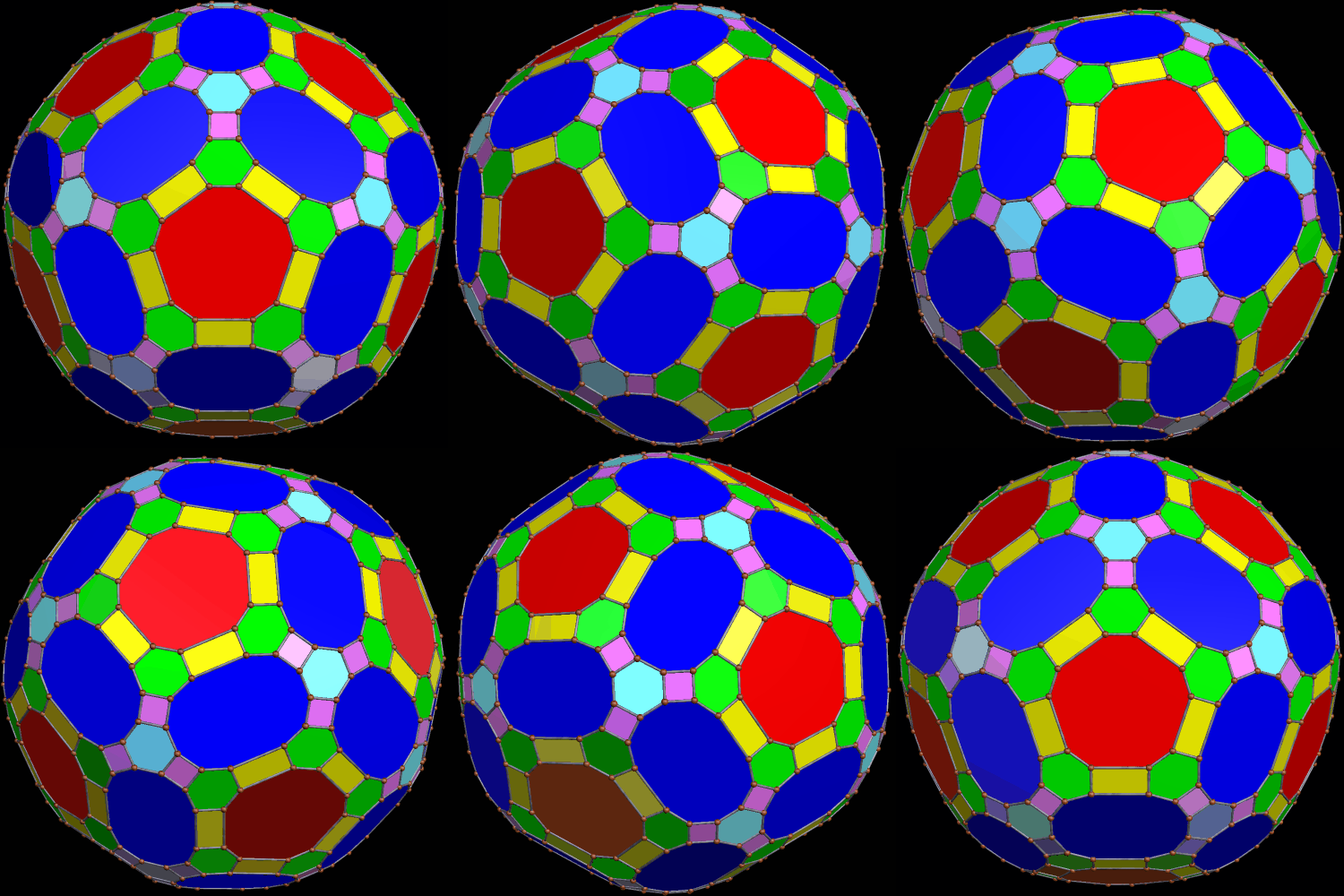
All seven of these were made with Stella 4d, which is available at http://www.software3d.com/Stella.php.
Note: icosidodecahedral symmetry, a term coined (as far as I know) by George Hart, means exactly the same thing as icosahedral symmetry. I simply use the term I like better. Also, a few of these, but not many, are chiral.
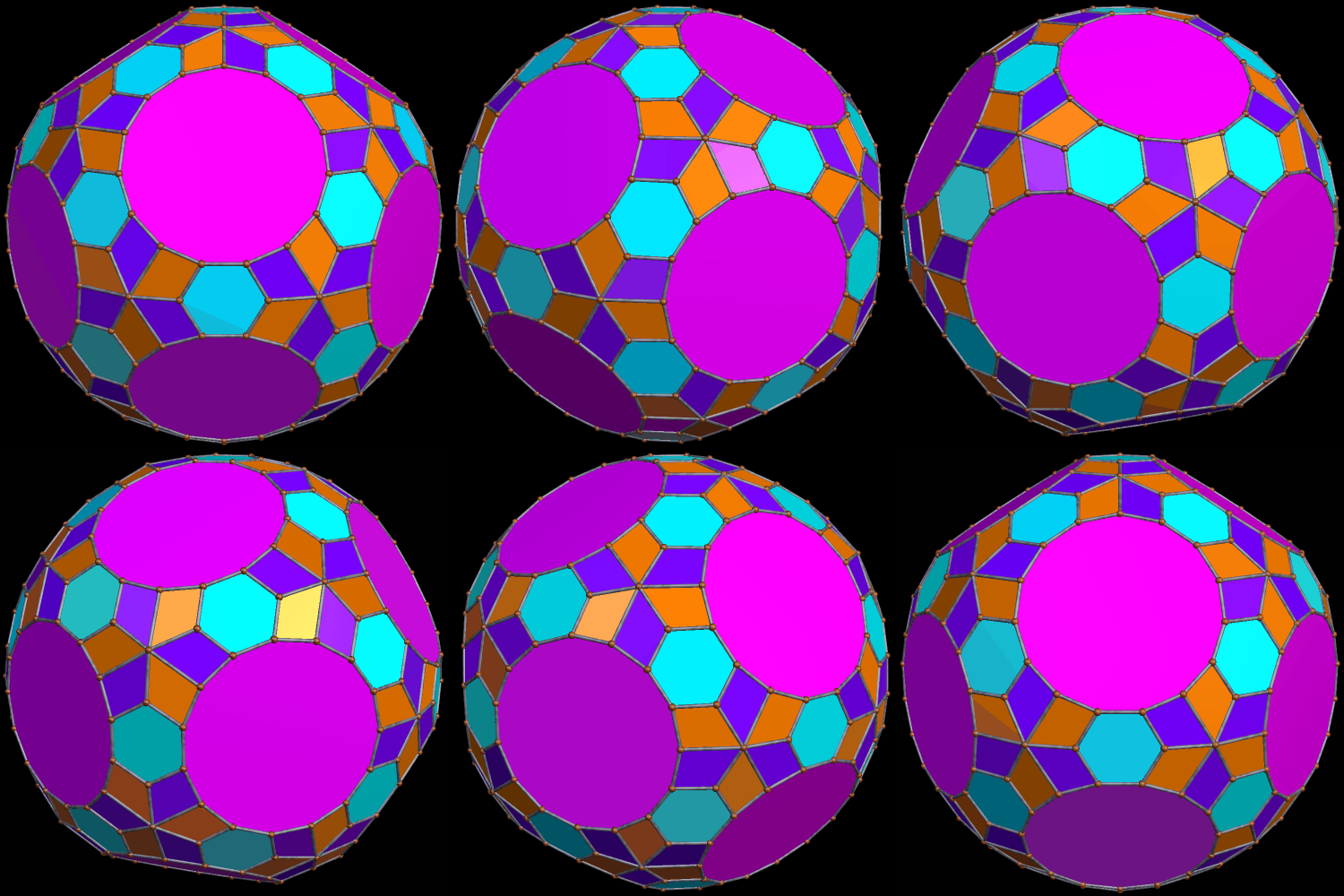

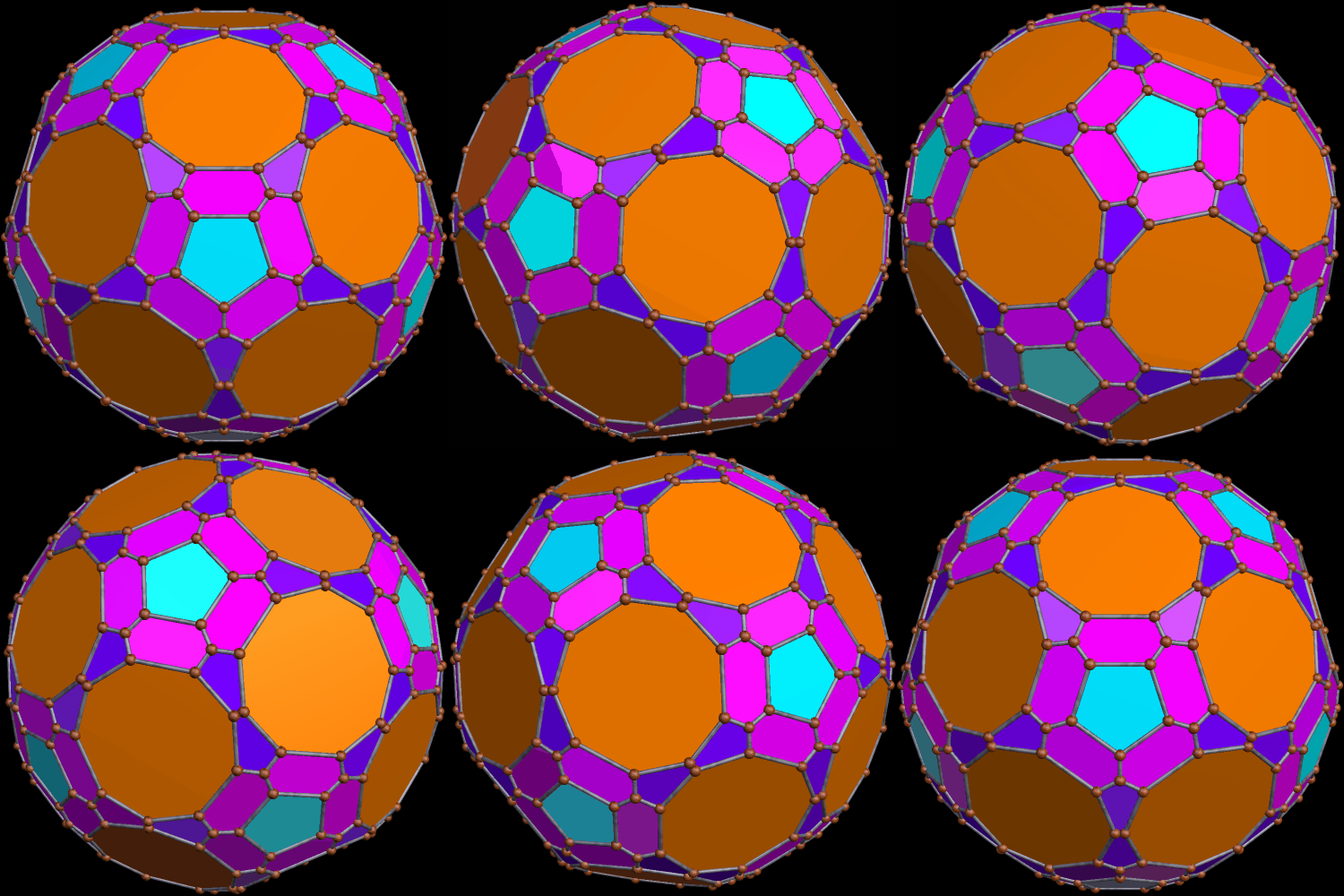

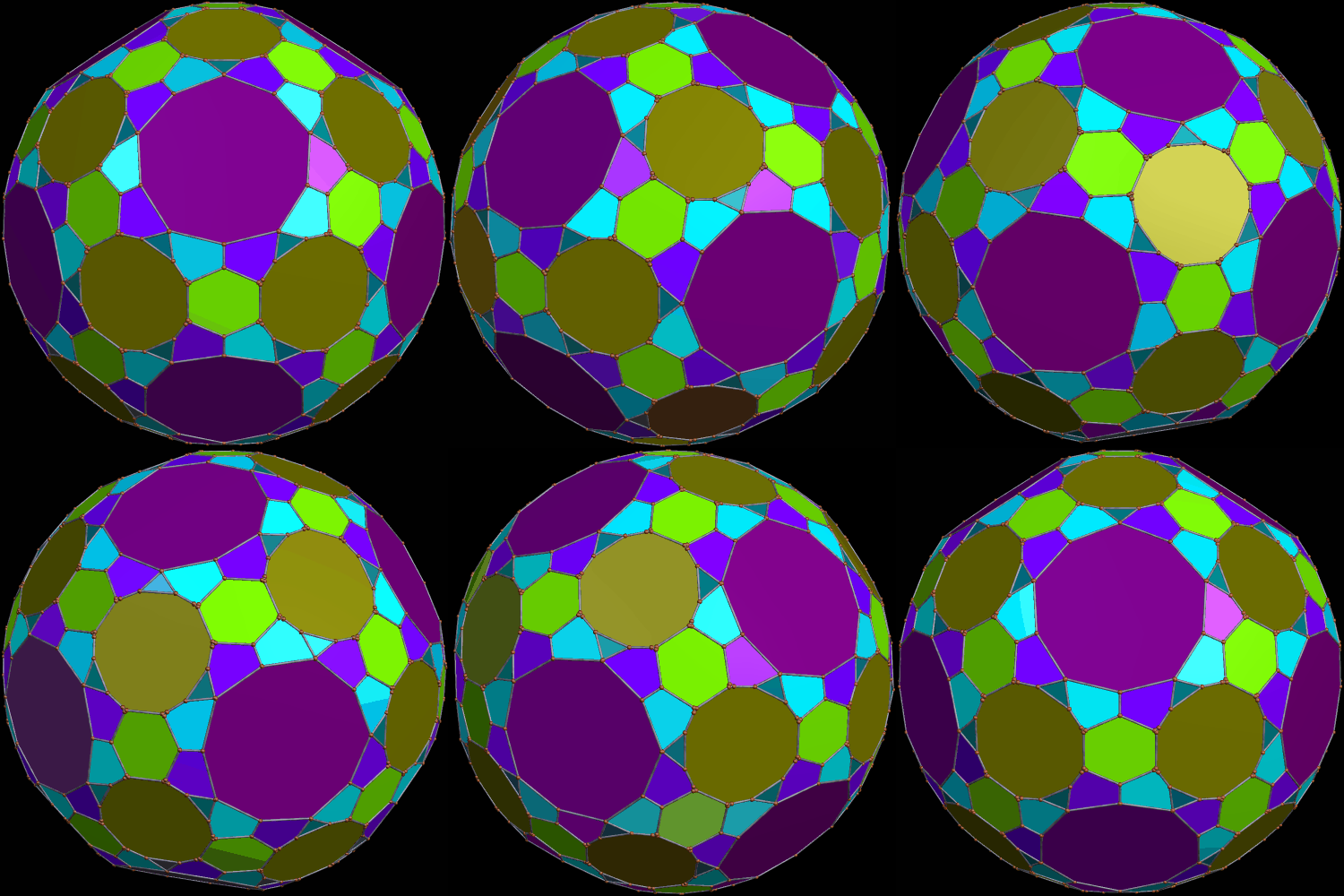

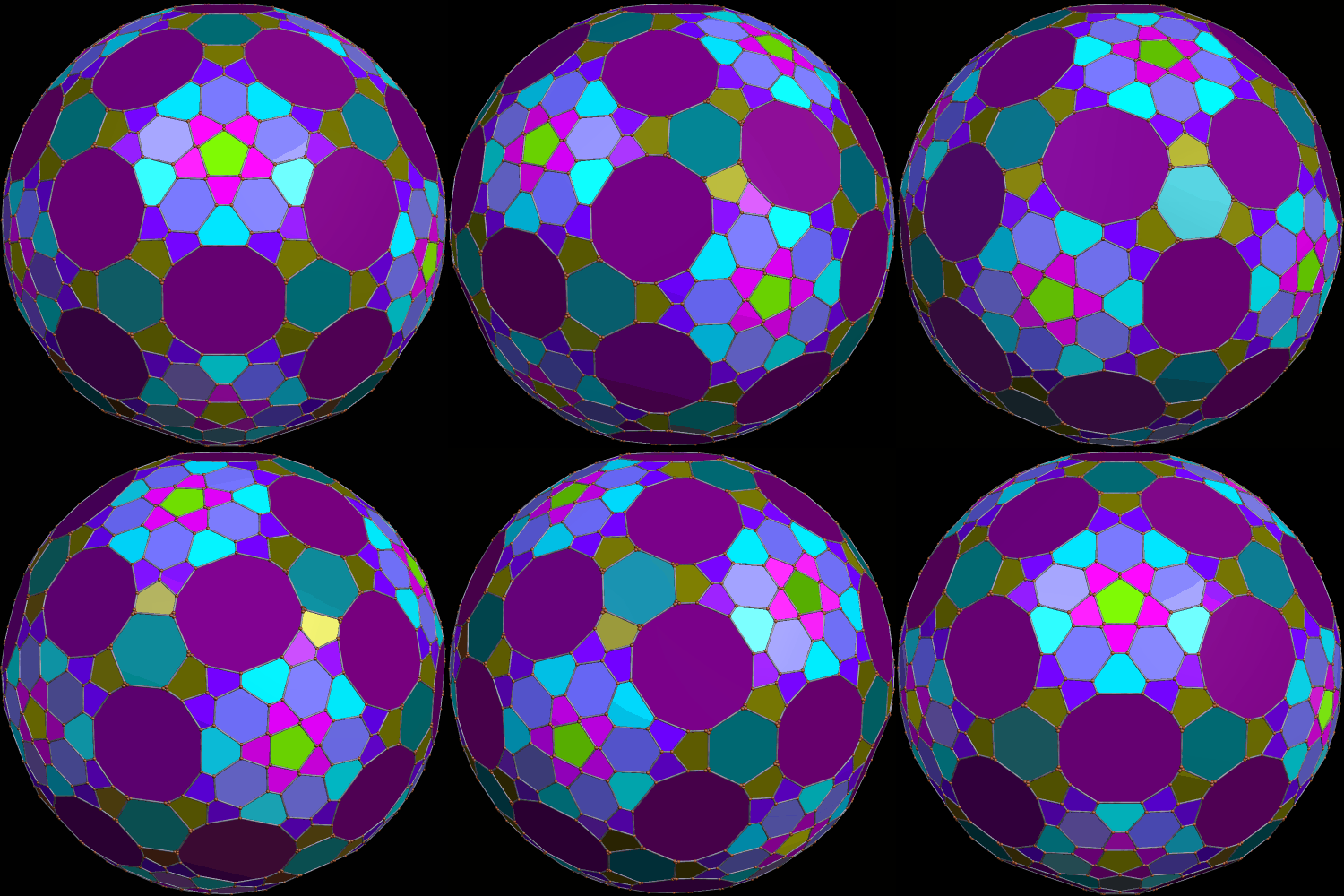

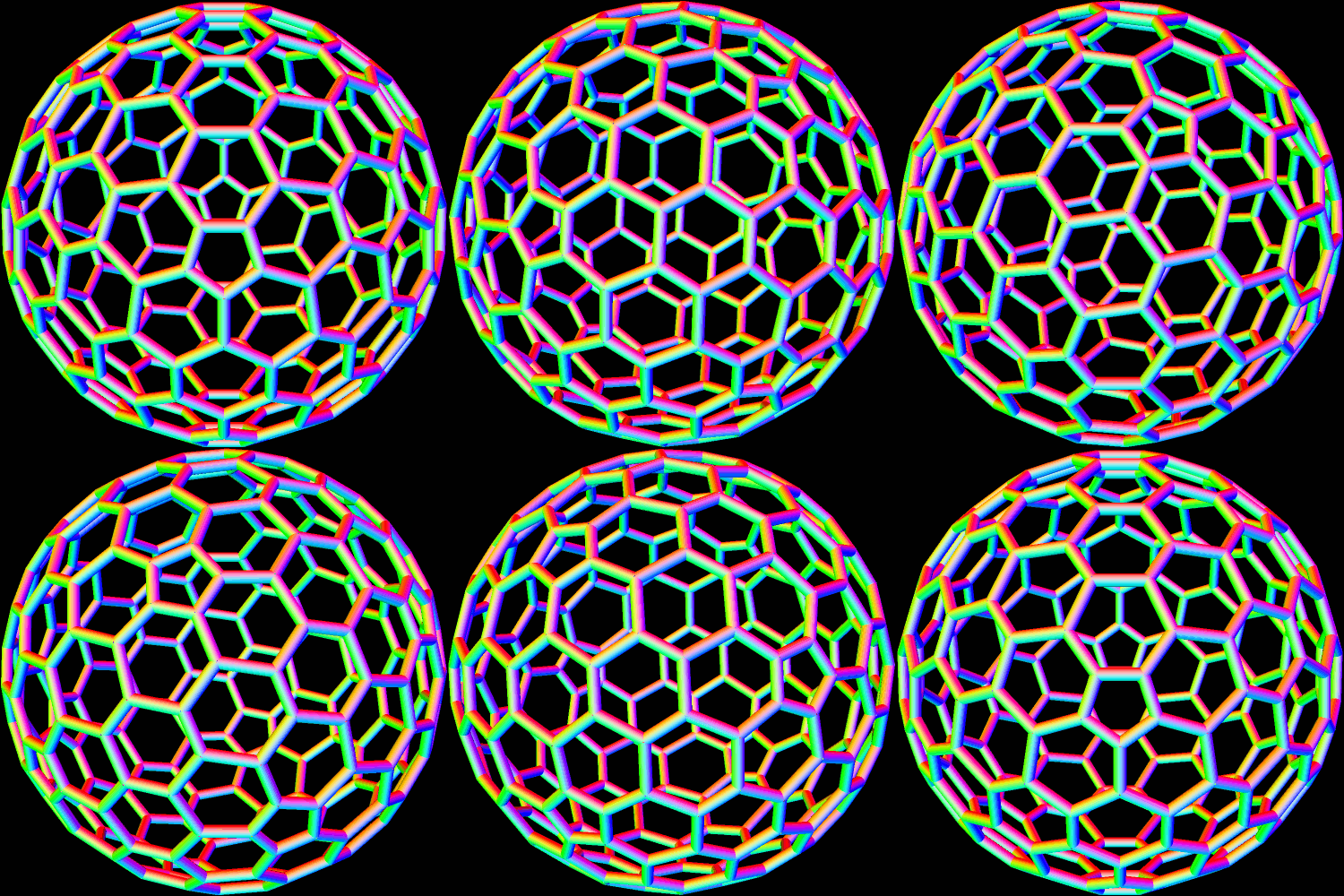
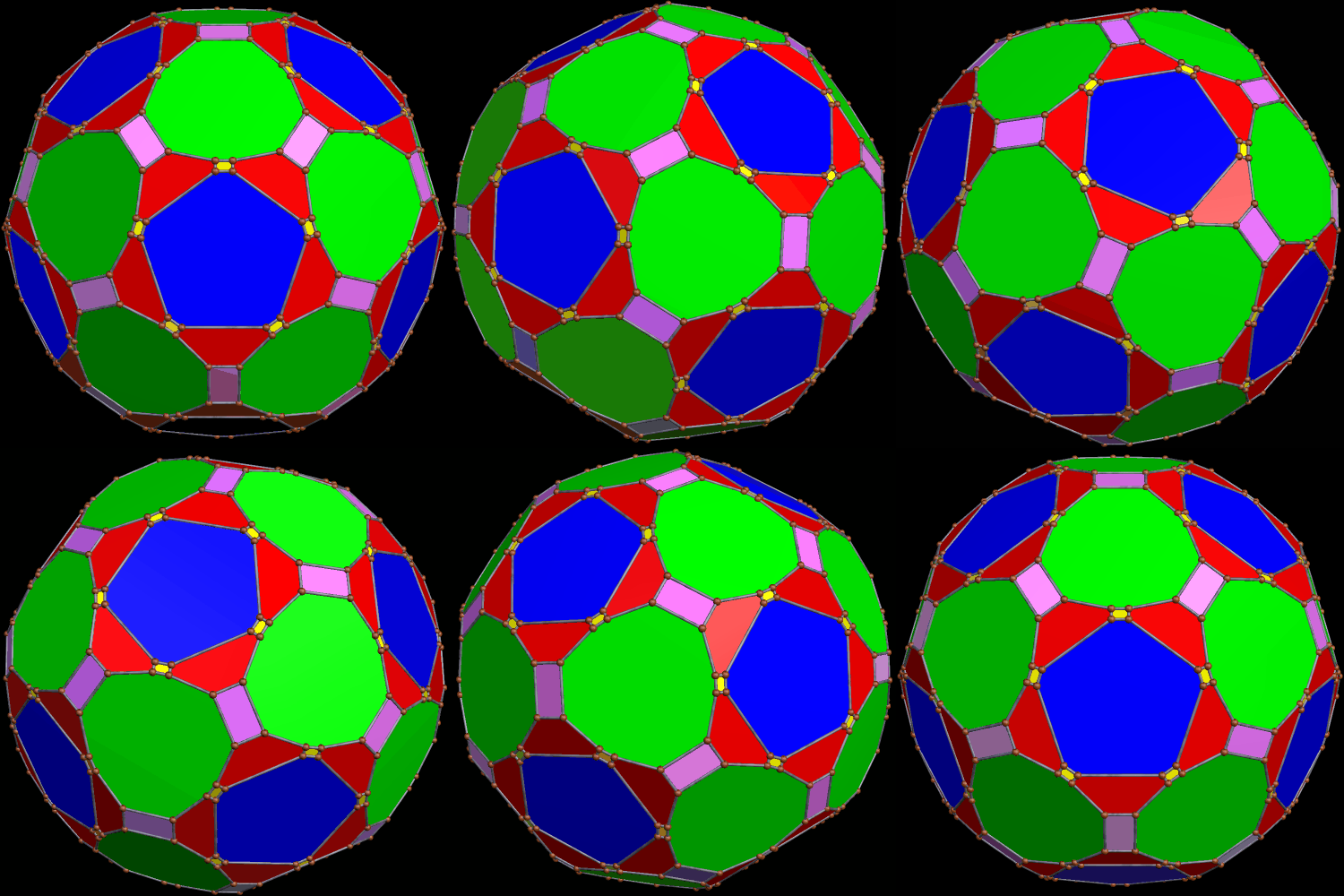
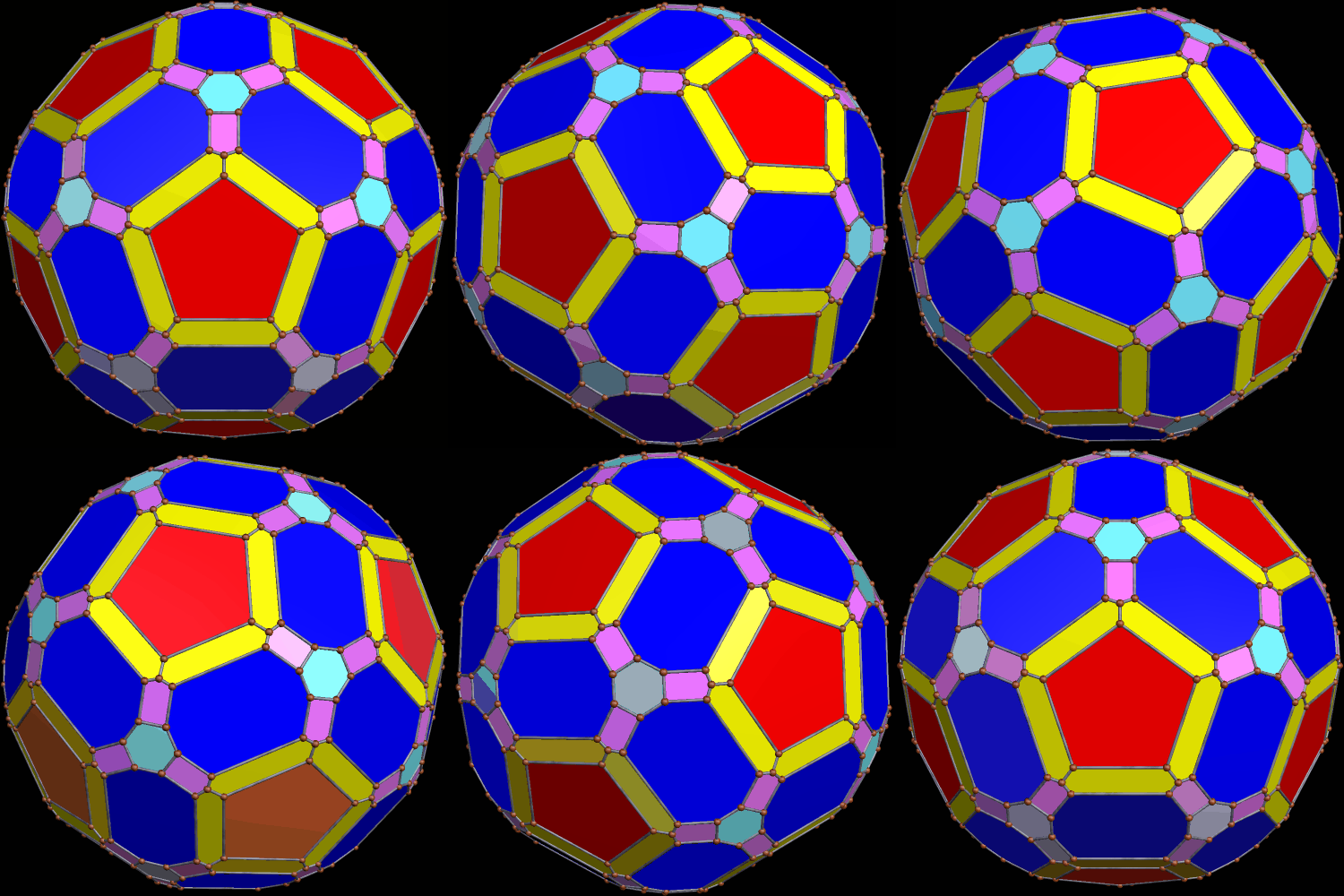
The images directly above and below show the shape of the most symmetrical 240-carbon-atom fullerene.
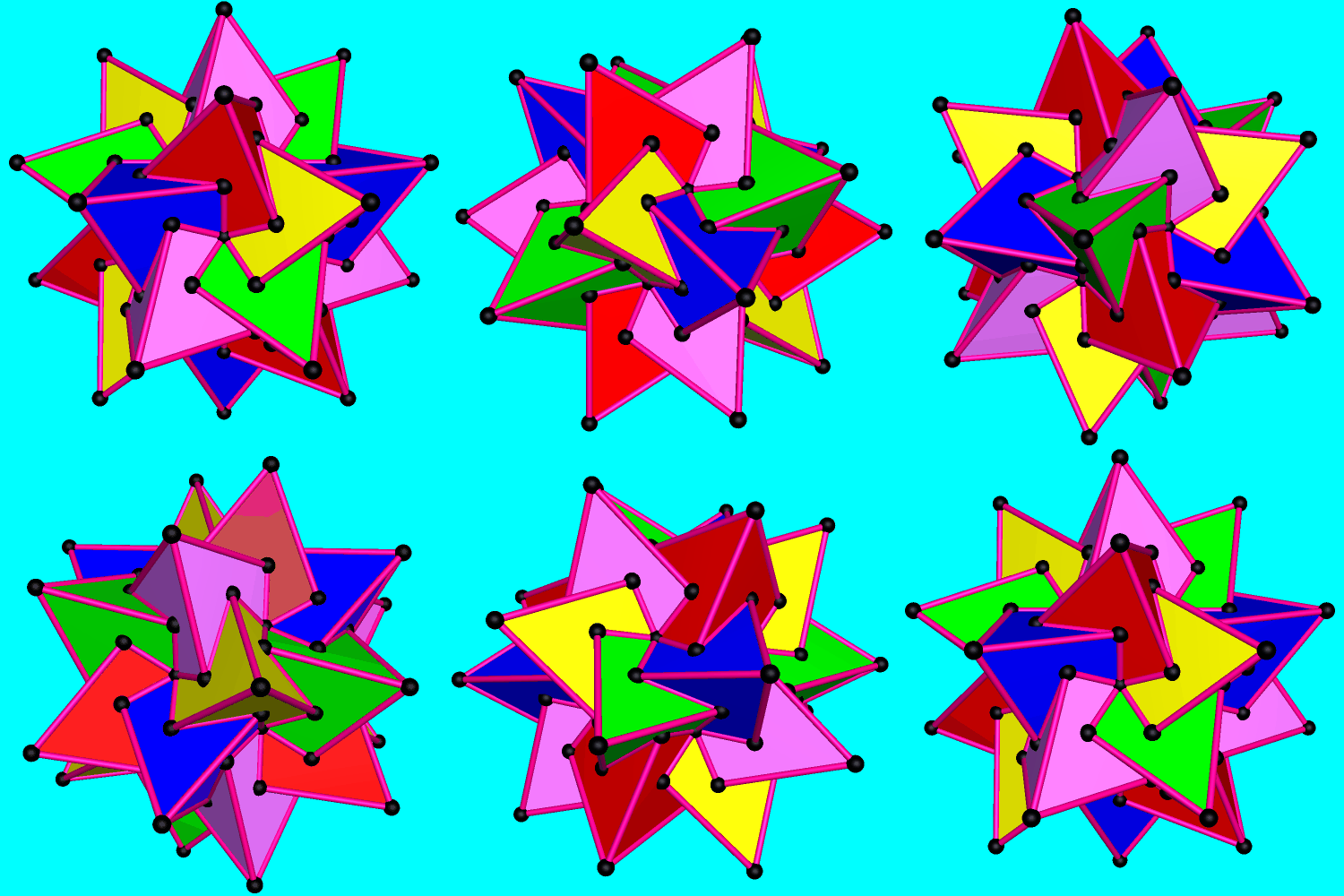
The image above is of the compound of five tetrahedra. This compound is chiral, and the next image is the compound of the compound above, and its mirror-image.



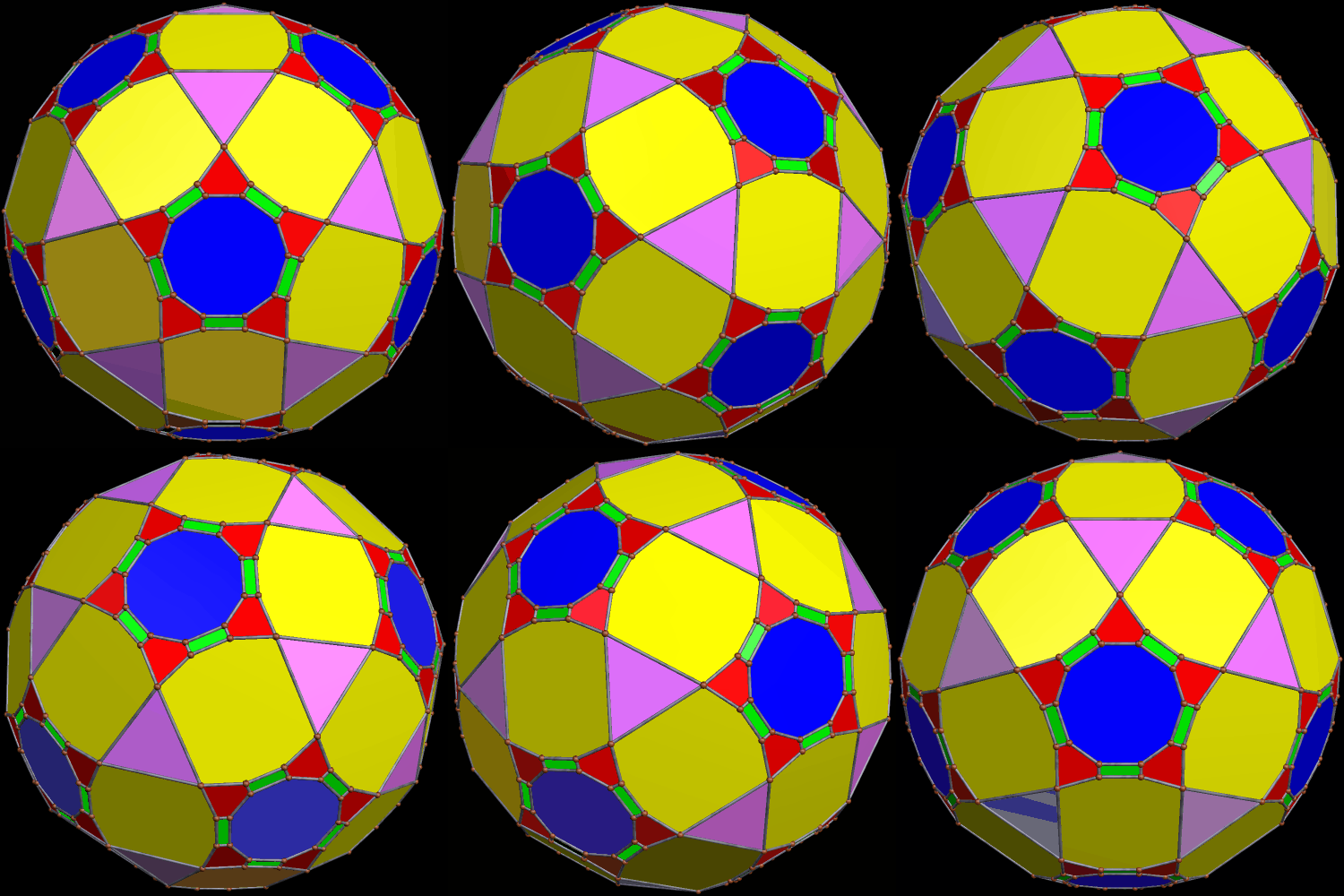
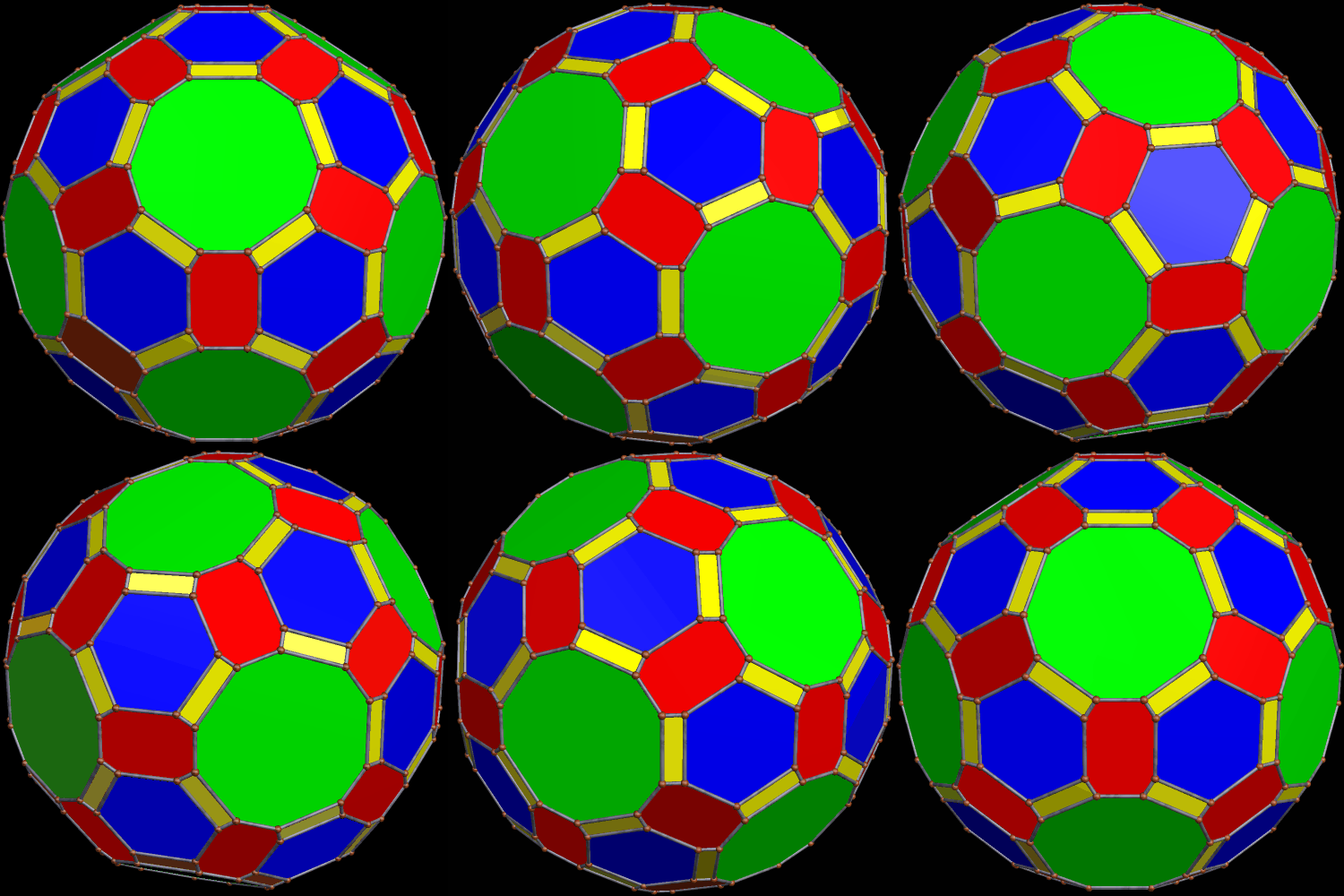

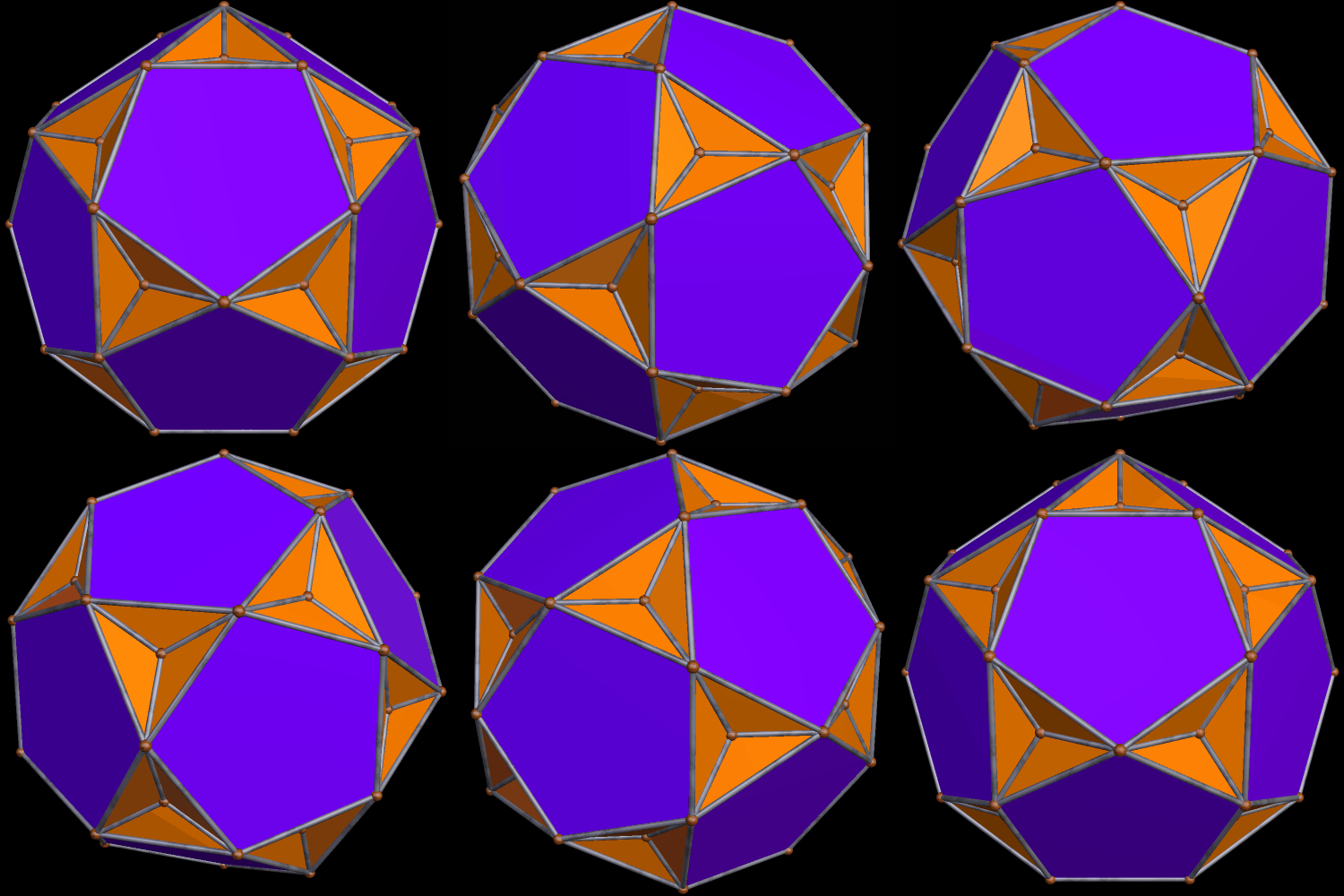

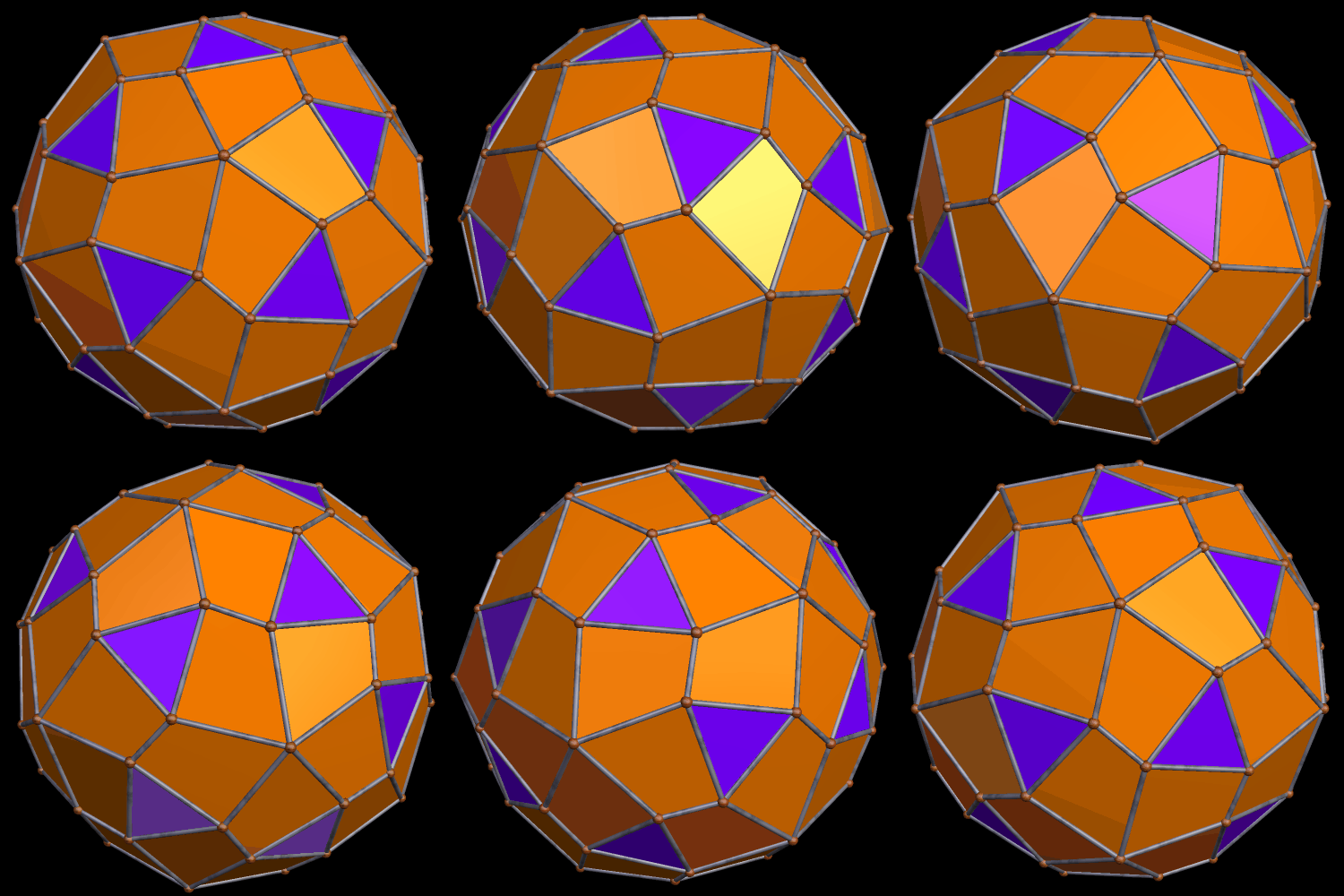


In the next two, I was experimenting with placing really big spheres at the vertices of polyhedra. The first one is the great dodecahedron, rendered in this unusual style, with the faces rendered invisible.

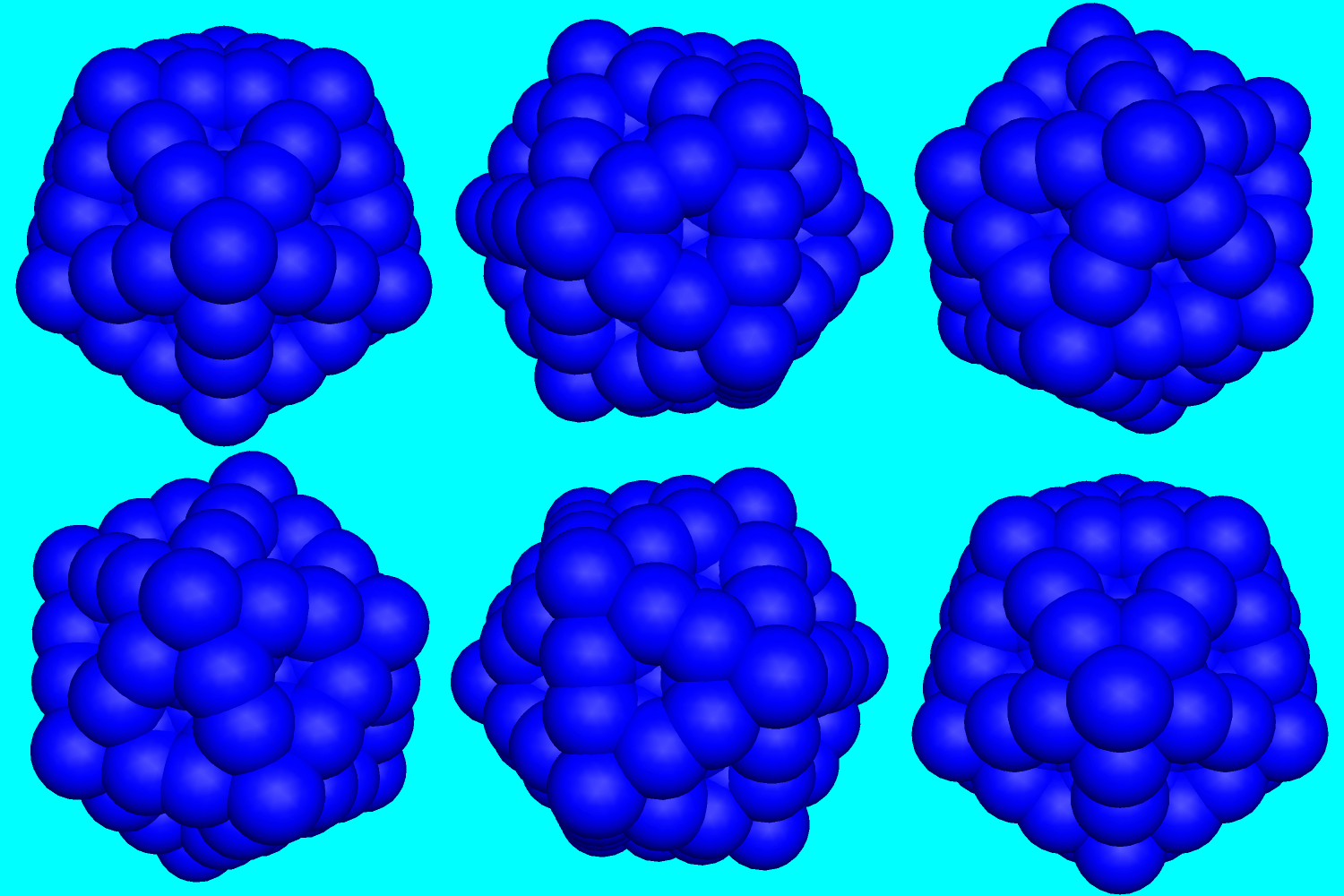

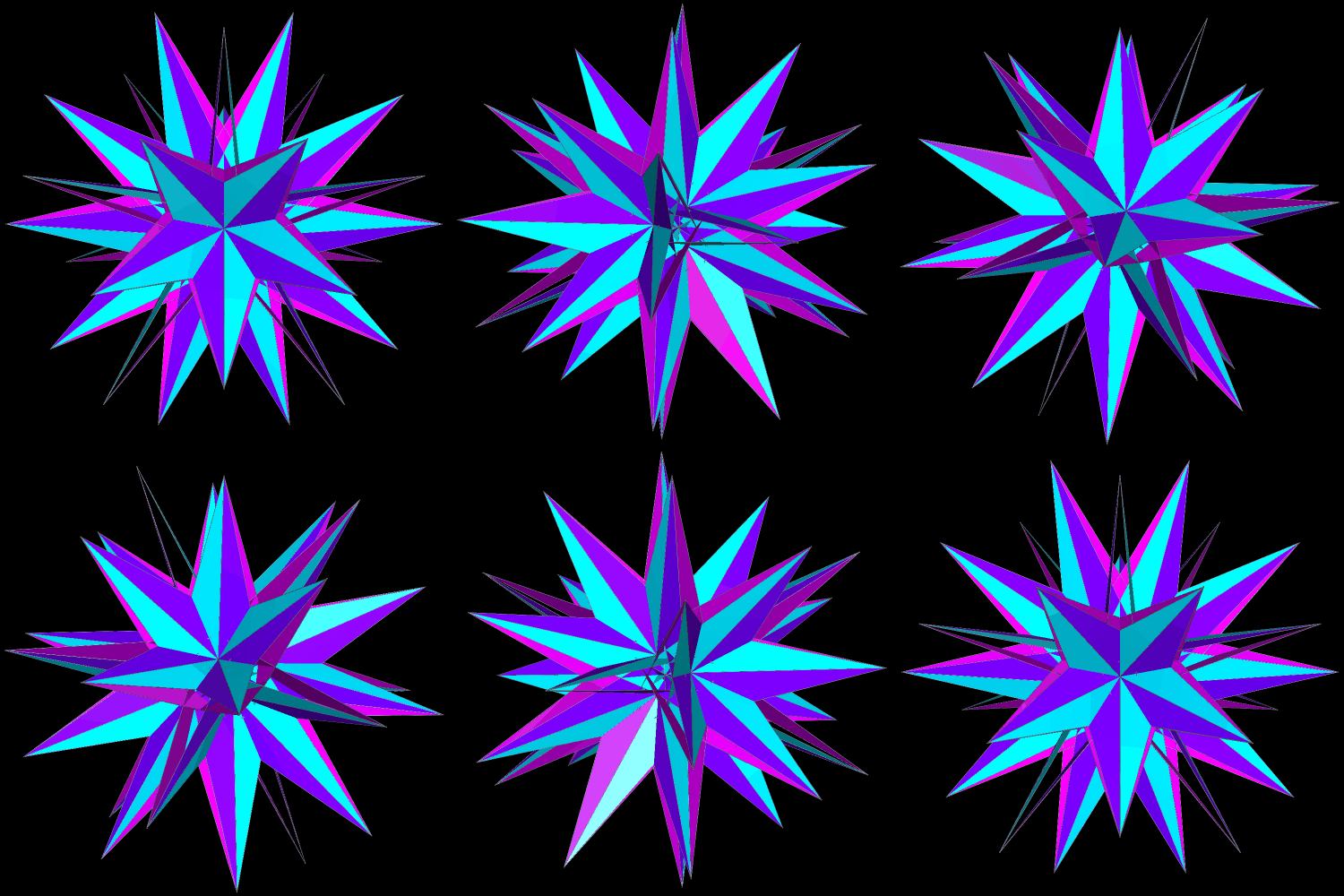
I made these using Stella 4d: Polyhedron Navigator. You may try this program for free at http://www.software3d.com/Stella.php.

This tiling-pattern could be continued indefinitely, while still maintaining its five-fold radial symmetry, giving it the overall appearance of a pentagon.
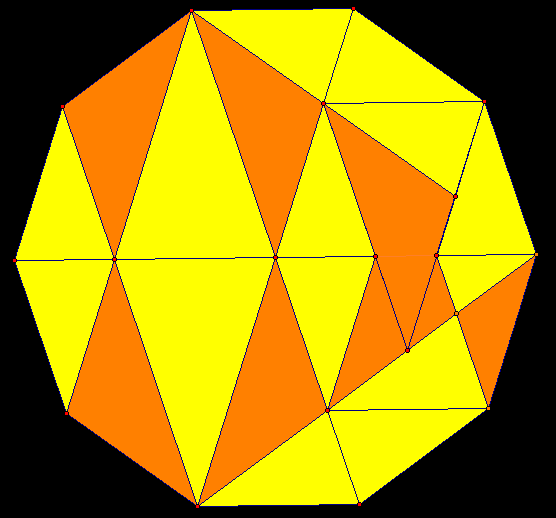
The golden triangles, in yellow, are acute isosceles triangles with a leg:base ratio which is the golden ratio. Golden gnomons, shown in orange, are related, for they are obtuse isosceles triangles where the golden ratio shows up as the base:leg ratio, which is the reciprocal of the manifestation of the golden ratio which appears in the yellow triangles.
 RobertLovesPi.net