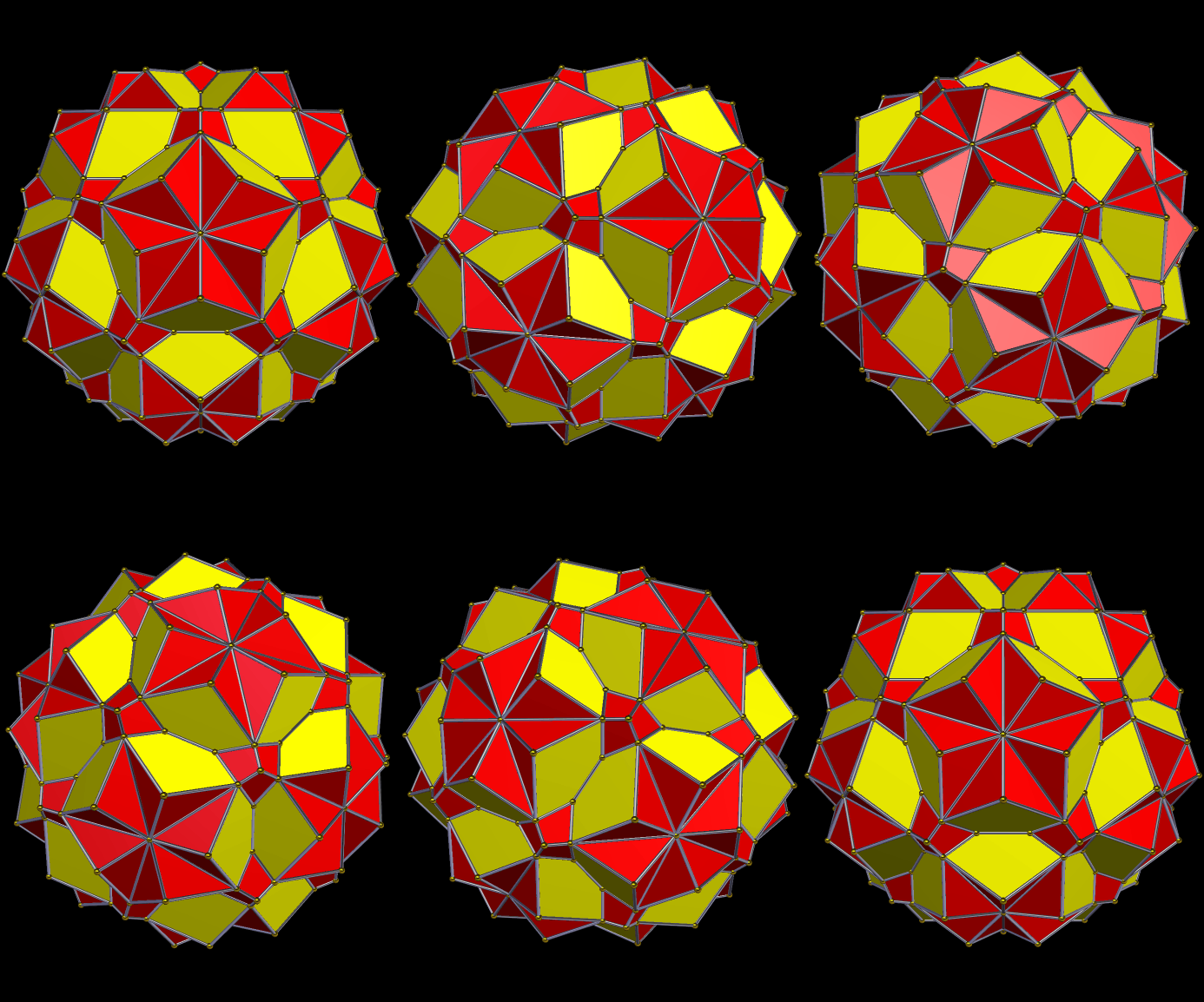
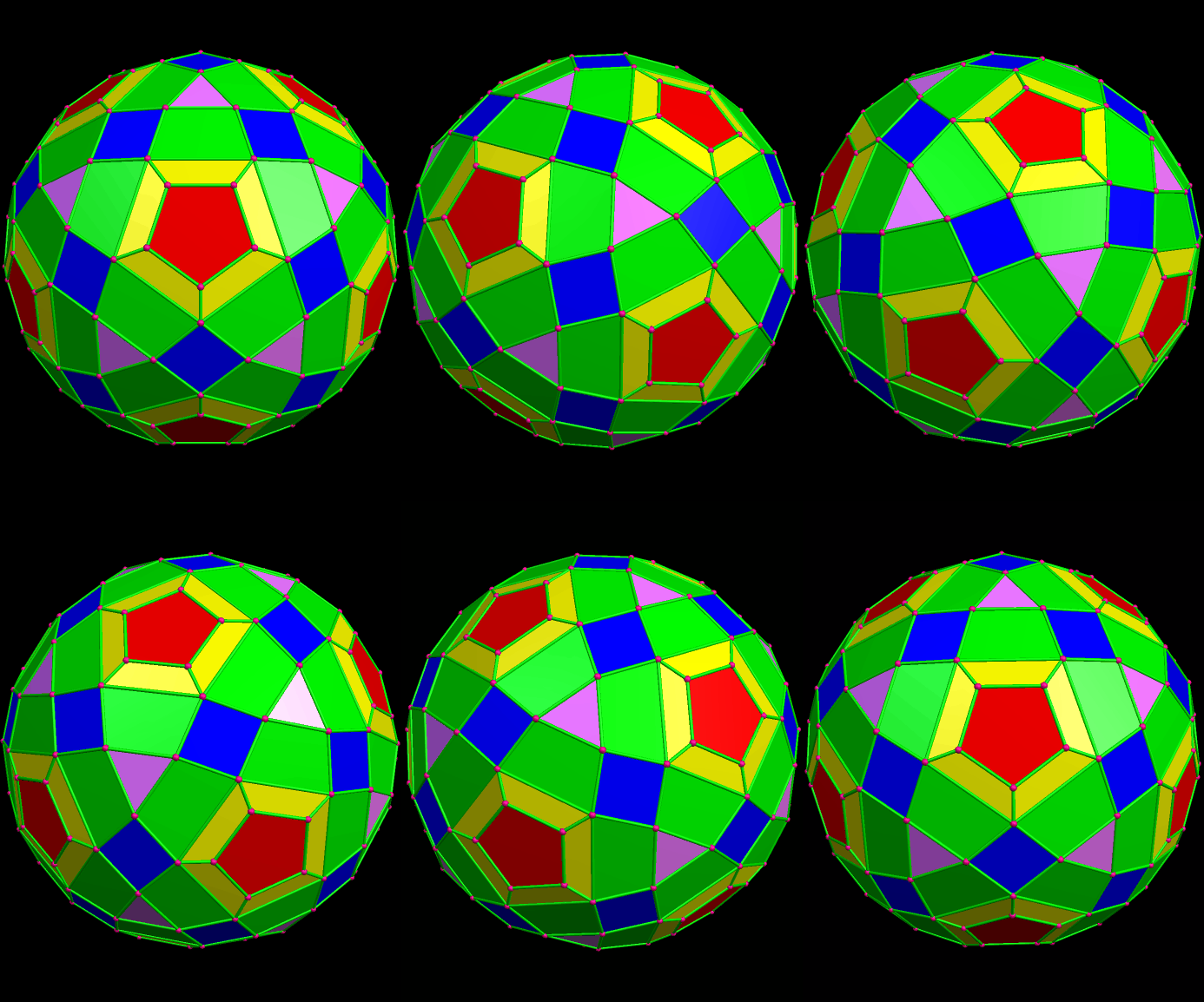
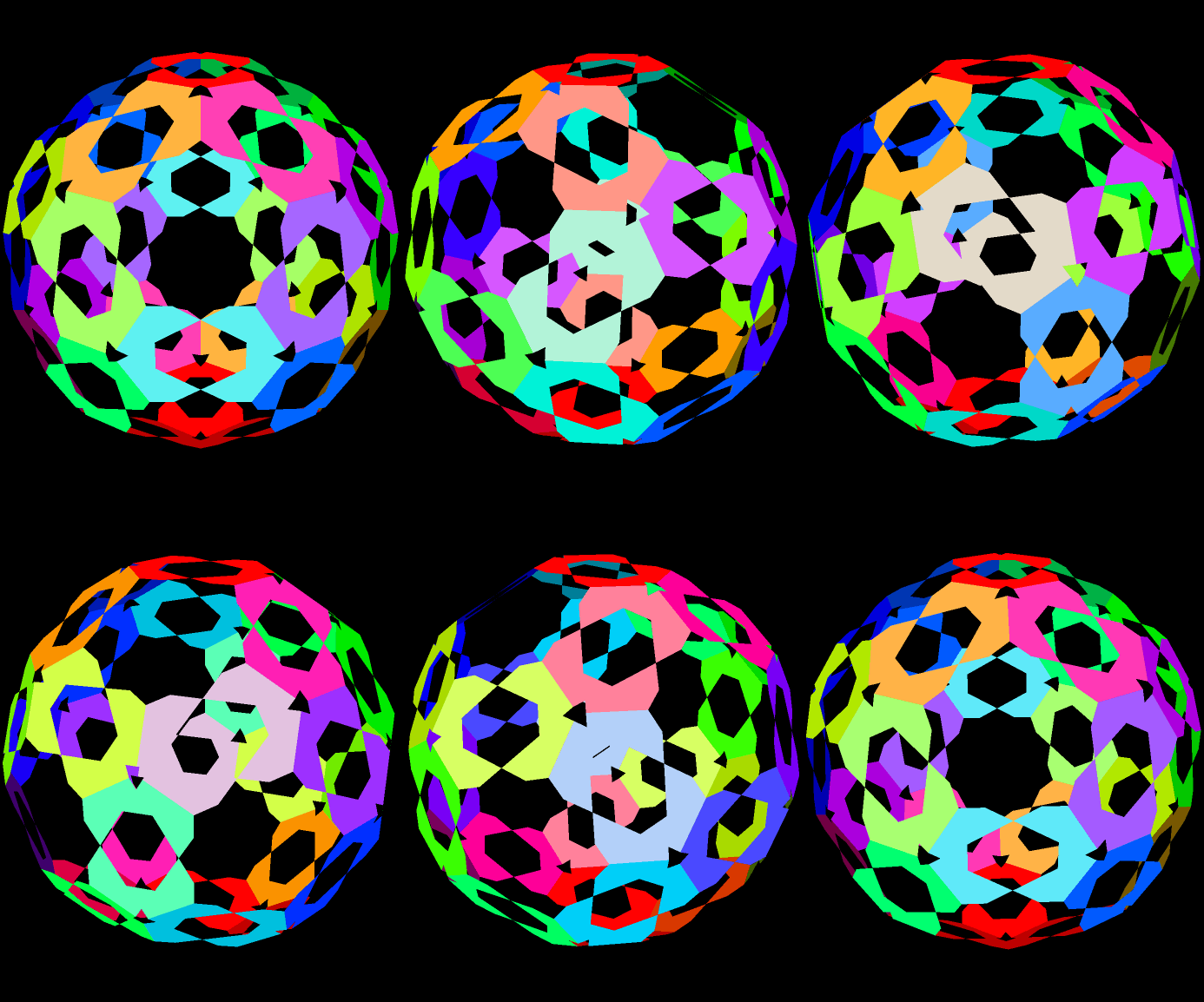
Created with software you can try and/or buy at http://www.software3d.com.Stella.php.

Created with software you can try and/or buy at http://www.software3d.com.Stella.php.

The faces are:
I used Stella 4d, software you can find at http://www.software3d.com/Stella.php, to make this image.

Created with software you can try and/or buy at http://www.software3d.com.Stella.php.

Created with software you can try and/or buy at http://www.software3d.com.Stella.php.

Drawn with Geometer’s Sketchpad, and based on the numbers four and seven.

The two types of trapezoid are shown in blue and green. There are twenty-four blue ones (in eights set of three, surrounding each triangle) and twenty-four green ones (in twelve sets of two, with each set in “bowtie” formation).
This symmetrohedron follows logically from one that was already known, and pictured at http://www.cgl.uwaterloo.ca/~csk/projects/symmetrohedra/, with the name “bowtie cube.” Here’s a rotating version of it.
(Images created with Stella 4d — software you can try yourself at http://www.software3d.com/Stella.php.)

The regular octagons are of the same size, but of two different types, when one considers the pattern of other faces surrounding them. This is why six of them are yellow, and twelve are red.
If the hexagons and isosceles trapezoids were closer to regularity, this would qualify as a near-miss to the Johnson solids, but it falls short on this test. Is is, instead, a “near-near-miss” — and not the first such polyhedron to appear on this blog, either.
(Image created with Stella 4d — software you can try yourself at http://www.software3d.com/Stella.php.)

This contains twelve octagons, six squares, and eight triangles. The “holes” in it keep it from being a true polyhedron, but it is my hope than further study of this arrangement may lead to the discovery of new, interesting, and symmetrical polyhedra.
(Image created with Stella 4d — software you can try yourself at http://www.software3d.com/Stella.php.)

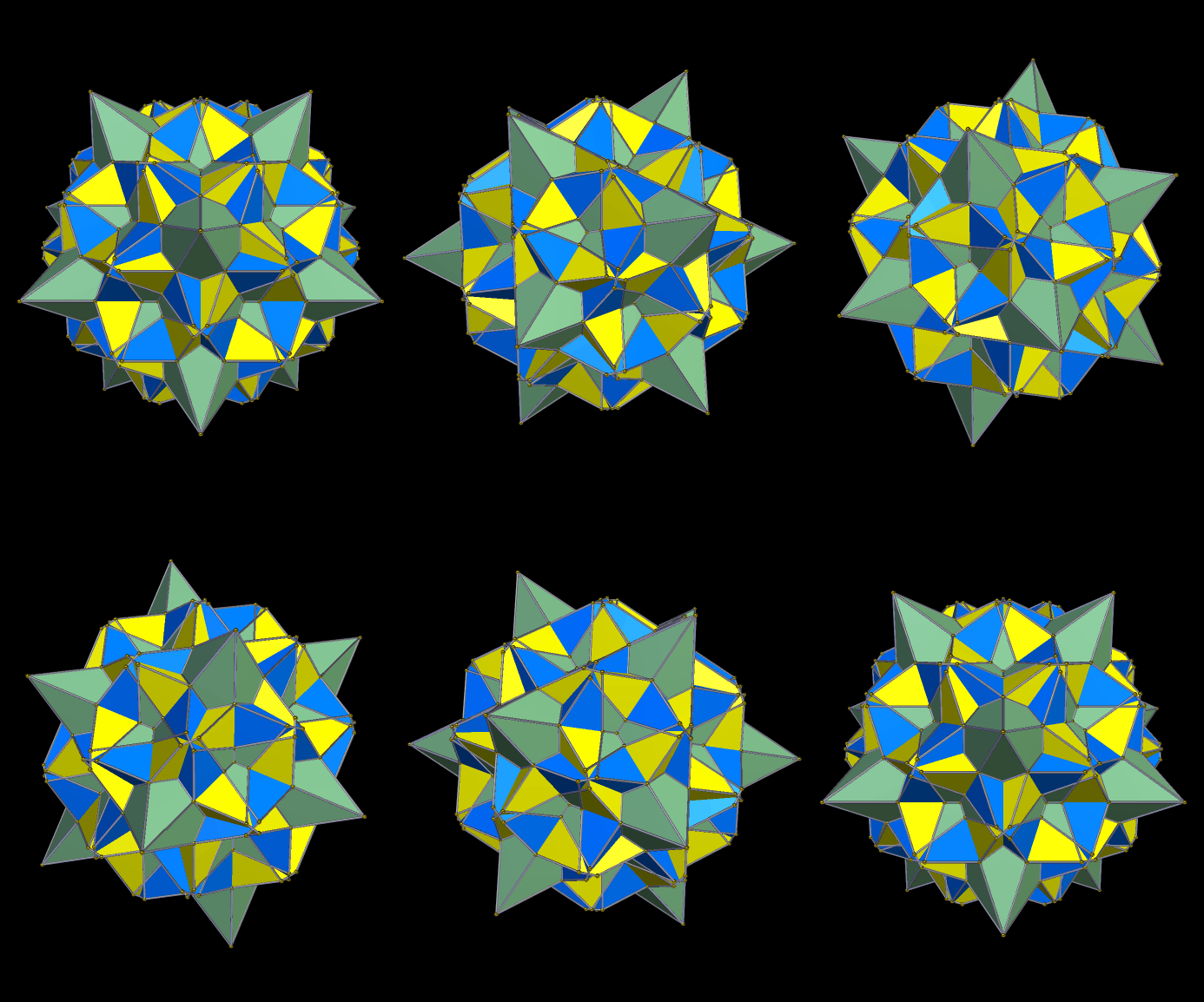
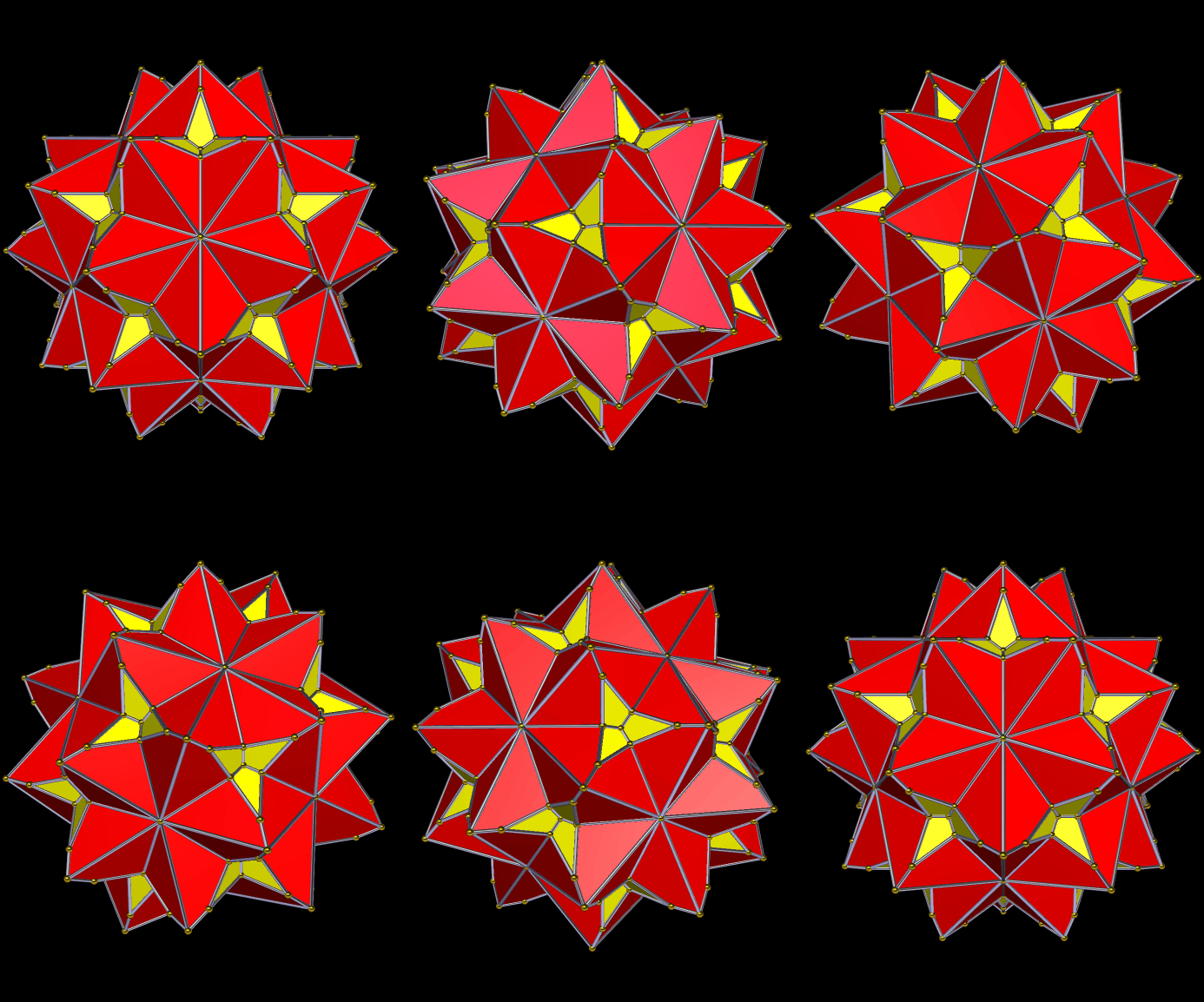
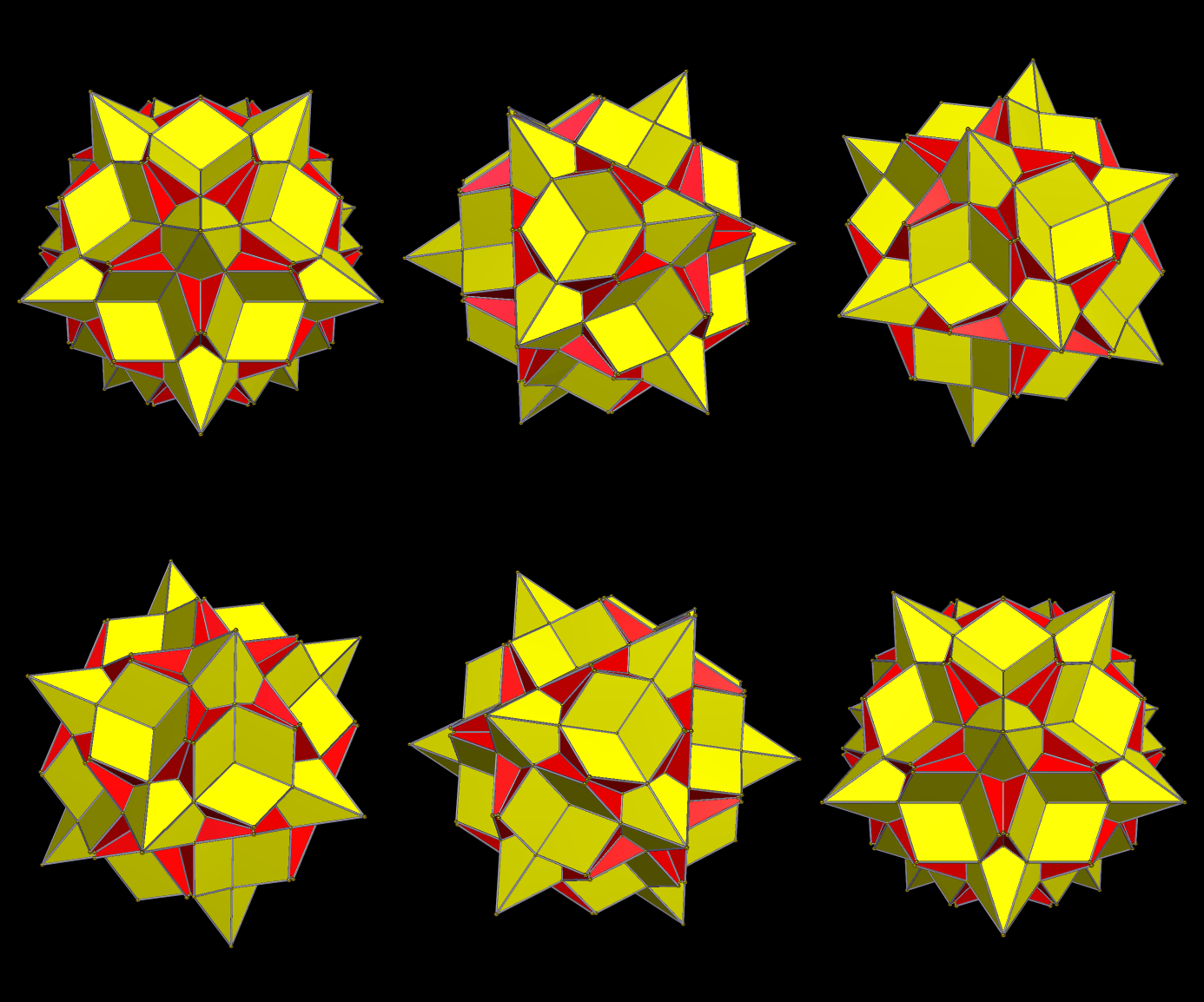
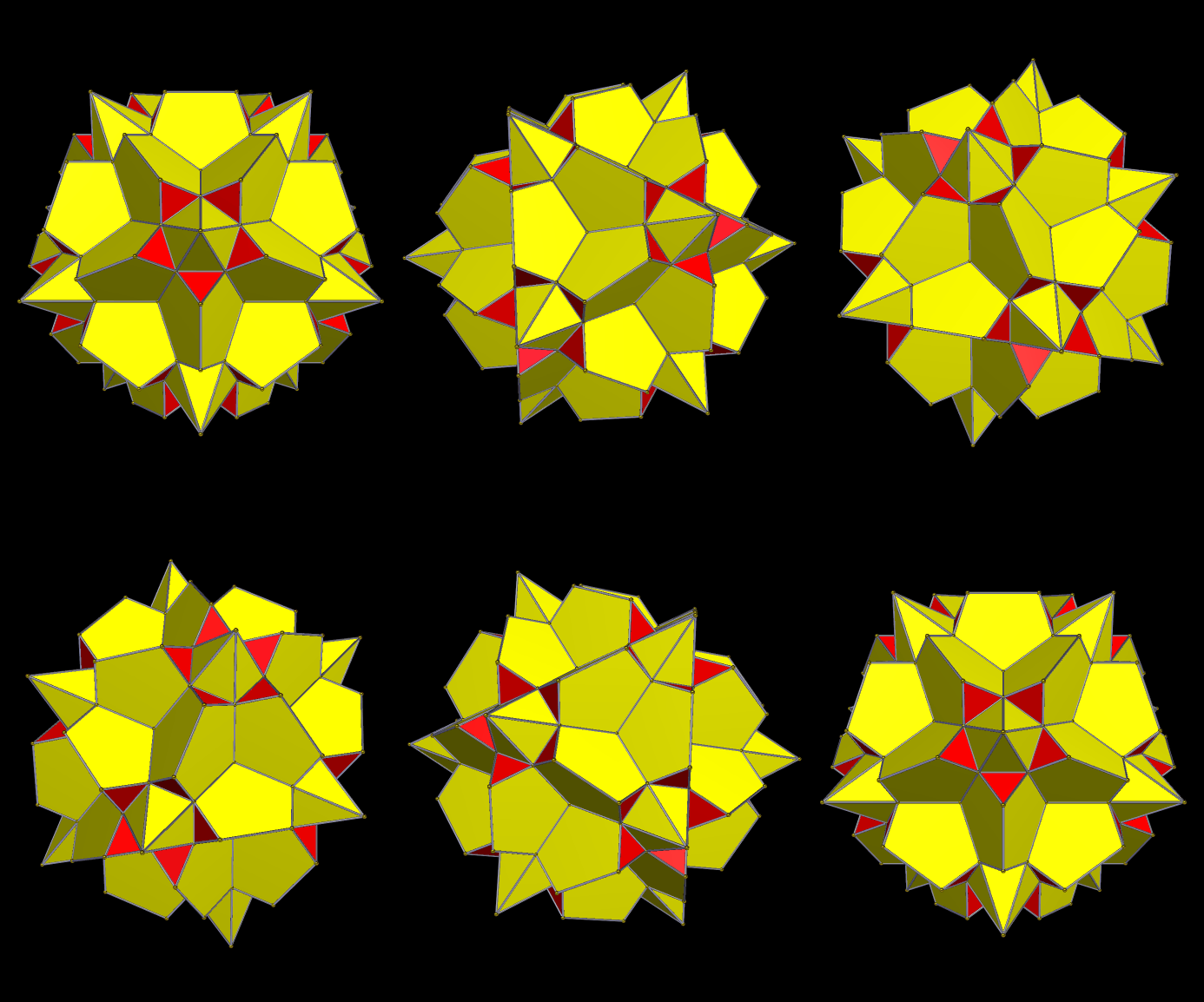
There are sixty of the irregaular, pentagonal gaps. Also, the hexagons themselves are of three types, two of which are sixty in number, and one of which is thirty in number.
If the gaps are filled, and the color scheme changed to make each of the four polygon-types into its own color-group, this looks, instead, like this (click on it if you wish to see it enlarged). It has 210 faces.
(Images created with Stella 4d — software you can try yourself at http://www.software3d.com/Stella.php.)

This zonohedron has fifty faces:
(Image created with Stella 4d — software you can try yourself at http://www.software3d.com/Stella.php.)