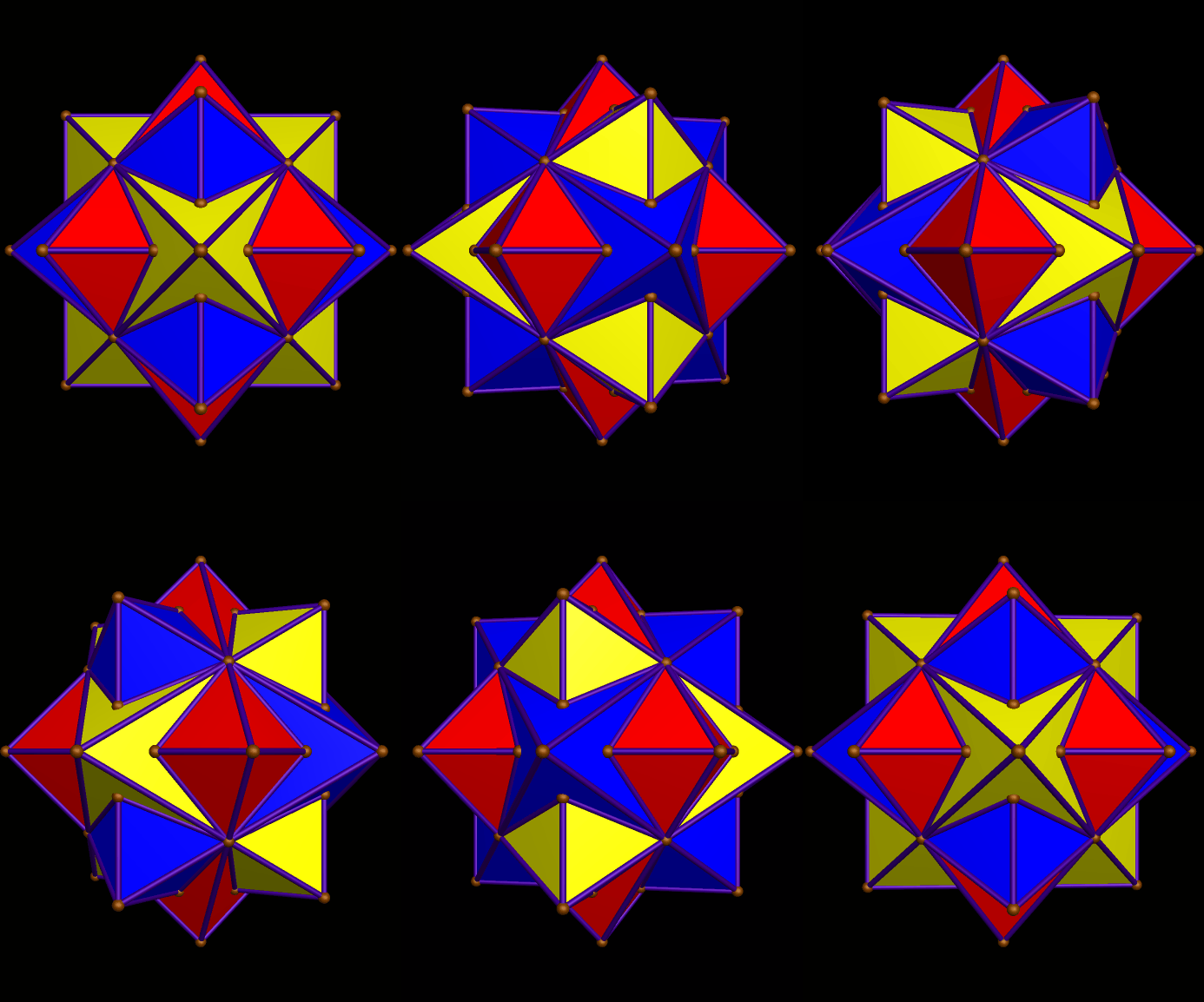
This polyhedral compound is part of the built-in library of polyhedra that comes with Stella 4d: Polyhedron Navigator. You can find this software here: http://www.software3d.com/Stella.php.
This polyhedral compound is part of the built-in library of polyhedra that comes with Stella 4d: Polyhedron Navigator. You can find this software here: http://www.software3d.com/Stella.php.
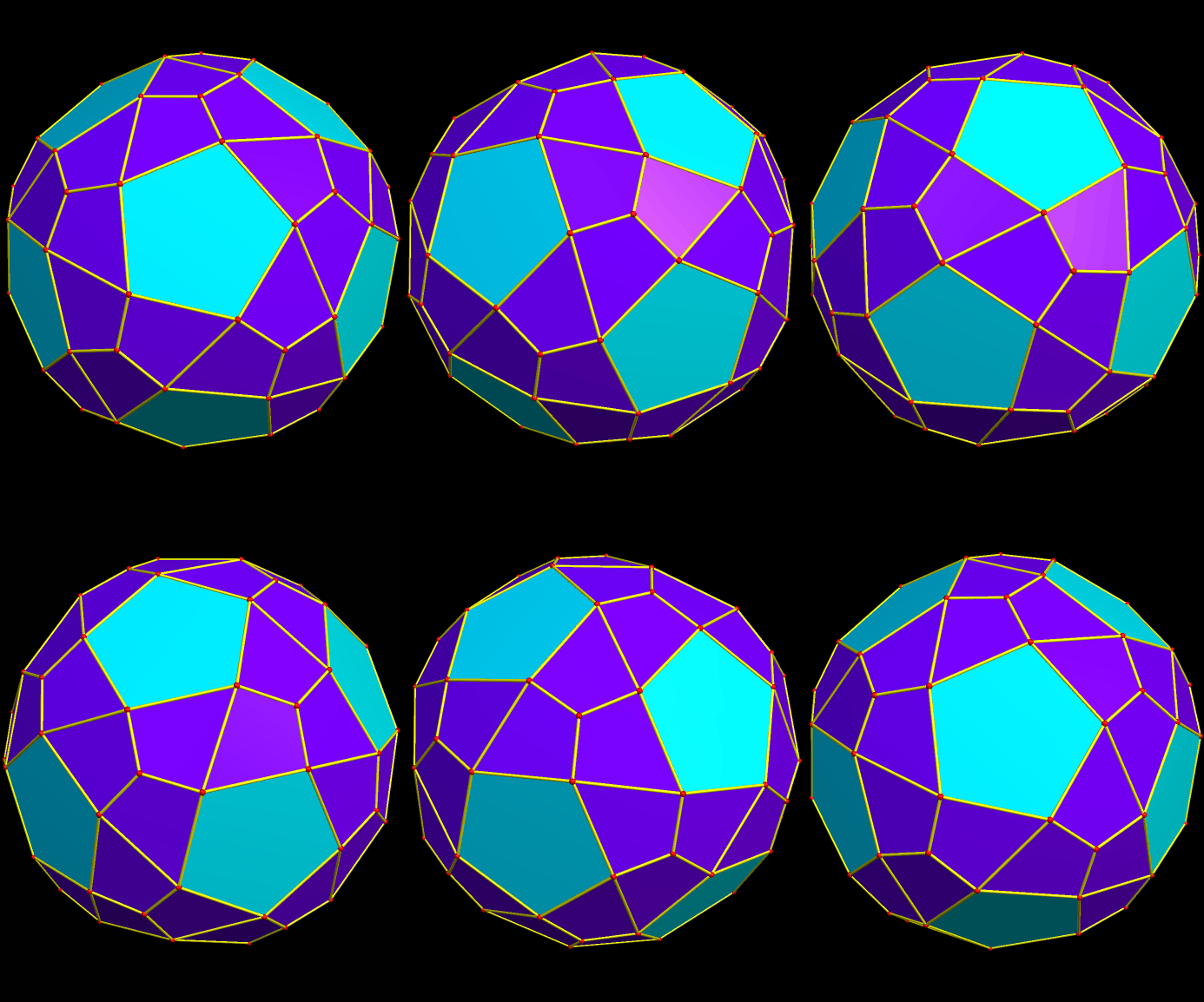
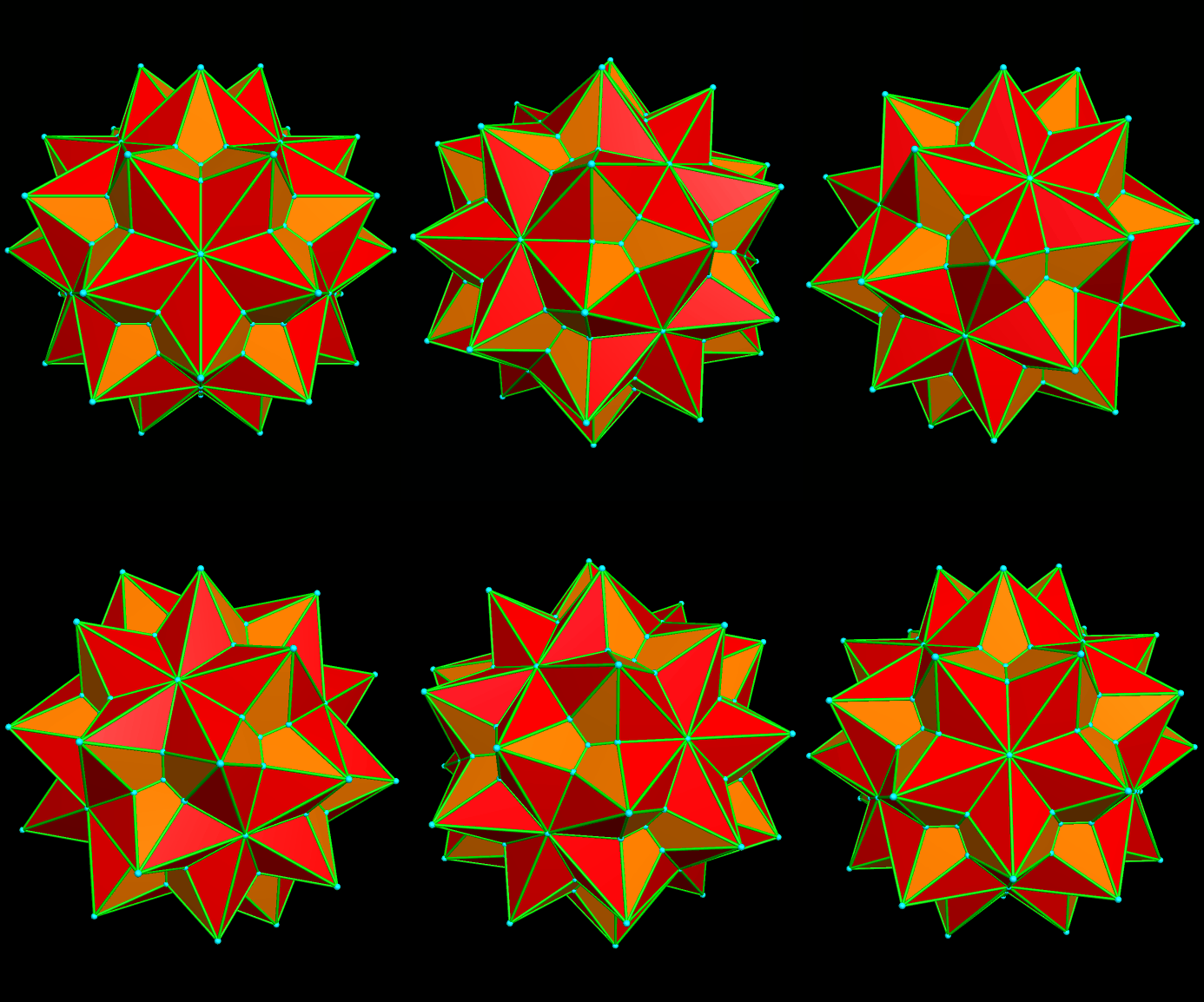
In this polyhedron, there are twelve pentagons and sixty kites. It can be made by augmenting twenty of the triangles in a snub dodecahedron with short pyramids, but the pyramid-height has to be just right, in order to make those pyramids’ lateral faces coplanar with the non-augmented triangles, which produces the kites.
Since this polyhedron is chiral, a compound can be made by adding it to its own mirror image:
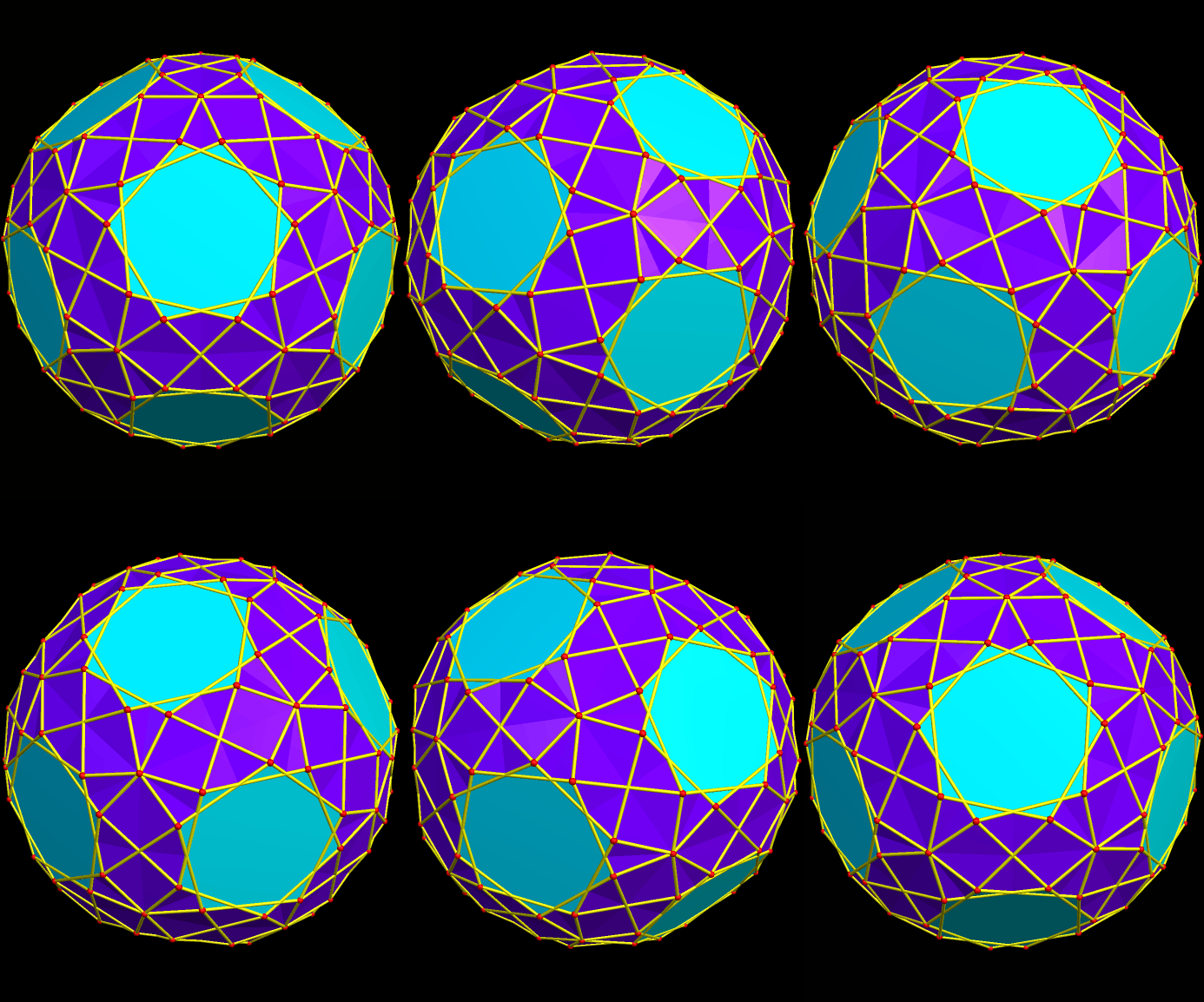
Both images were created using Stella 4d, software available at www.software3d.com/Stella.php.

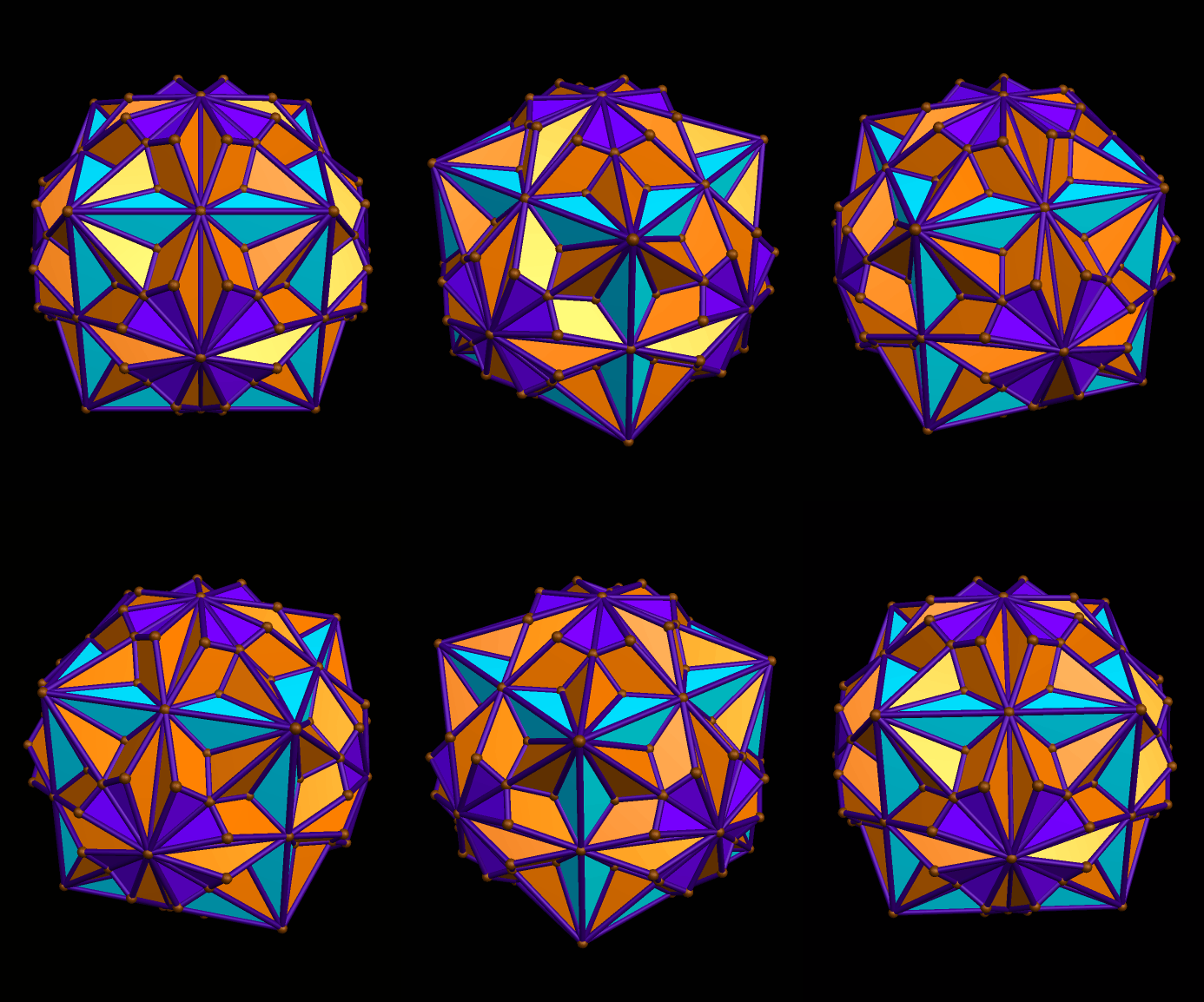
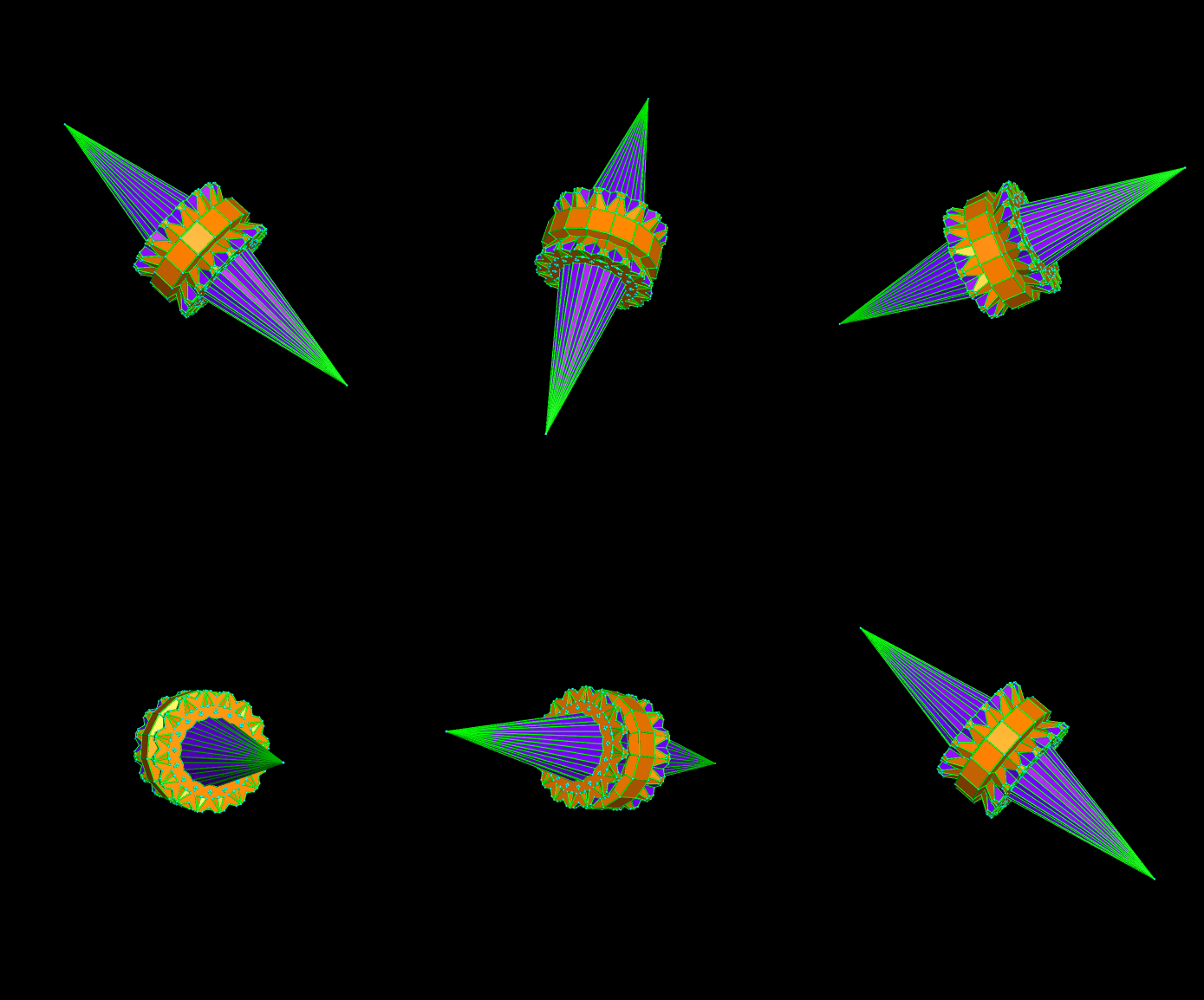
The decorations on each face were created using the design, made using Geometer’s Sketchpad and MS_Paint, from this post: https://robertlovespi.wordpress.com/2014/05/28/rippling-tessellation-using-squares-regular-octagons-and-octaconcave-equilateral-hexadecagons/. I then used Stella 4d, available at http://www.software3d.com/Stella.php, to project this flat image onto each face of this chiral polyhedron, the dual of the snub cube, and make this rotating image.
Next, I used Stella to add this figure to its own mirror-image, to make a compound — something that is always possible with chiral polyhedra. Here is the result.

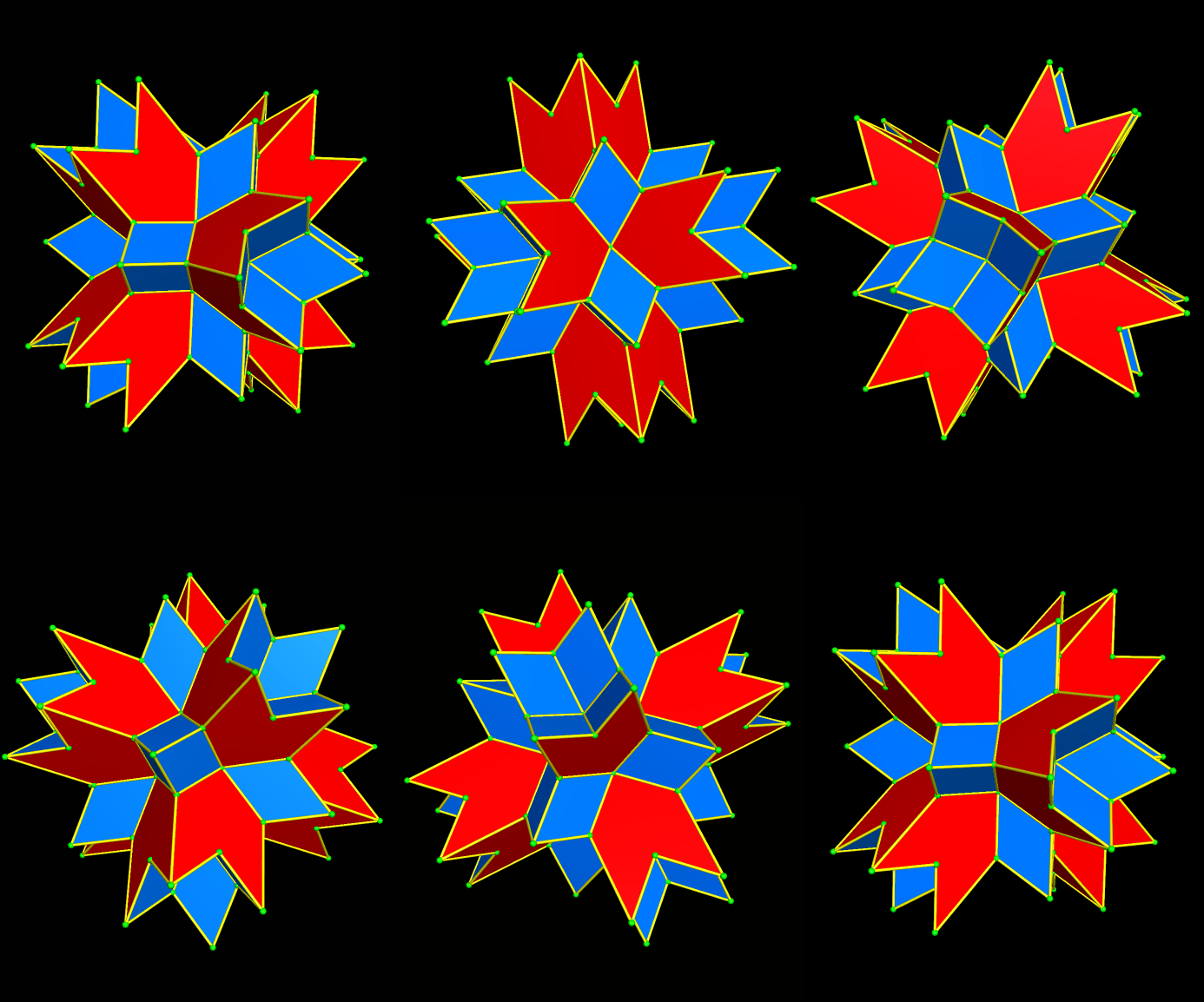
Software credit: I made this using Stella 4d, which you can find at http://www.software3d.com/Stella.php.
Software credit: I made this using Stella 4d, which you can find at http://www.software3d.com/Stella.php.

In three dimensions, there are five regular, convex polyhedra. However, in hyperspace — that is, four dimensions — there are, strangely, six.
The five Platonic solids have analogs among these six convex polychora, and then there’s one left over — the oddball among the regular, convex polychora. It’s the figure you see above, rotating in hyperspace: the 24-cell, also known as the icositetrachoron. Its twenty-four cells are octahedra.
Like the simplest regular convex polychoron, the 5-cell (analogous to the tetrahedron), the 24-cell is self-dual. No matter how many dimensions you are dealing with, it is always possible to make a compound of any polytope and its dual. Here, then, is the compound of two 24-cells (which may be enlarged by clicking on it):
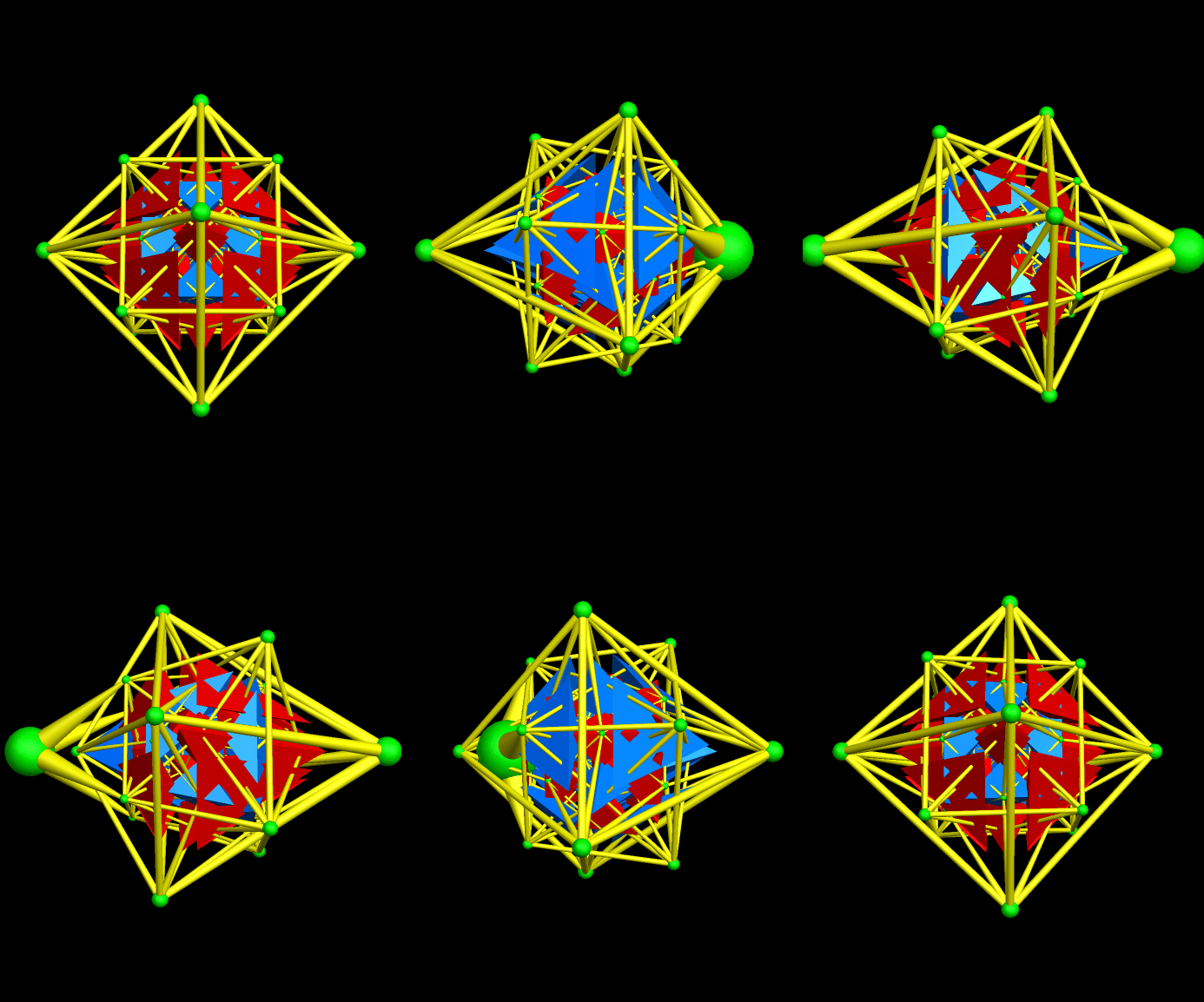
Both of these moving pictures were generated using software called Stella 4d: Polyhedron Navigator. You can buy it, or try a free trial version, right here: http://www.software3d.com/Stella.php.
The other two appear smaller here, but can be enlarged with a single click.

All three were created using software called Stella 4d, which you may find at http://www.software3d.com/Stella.php.
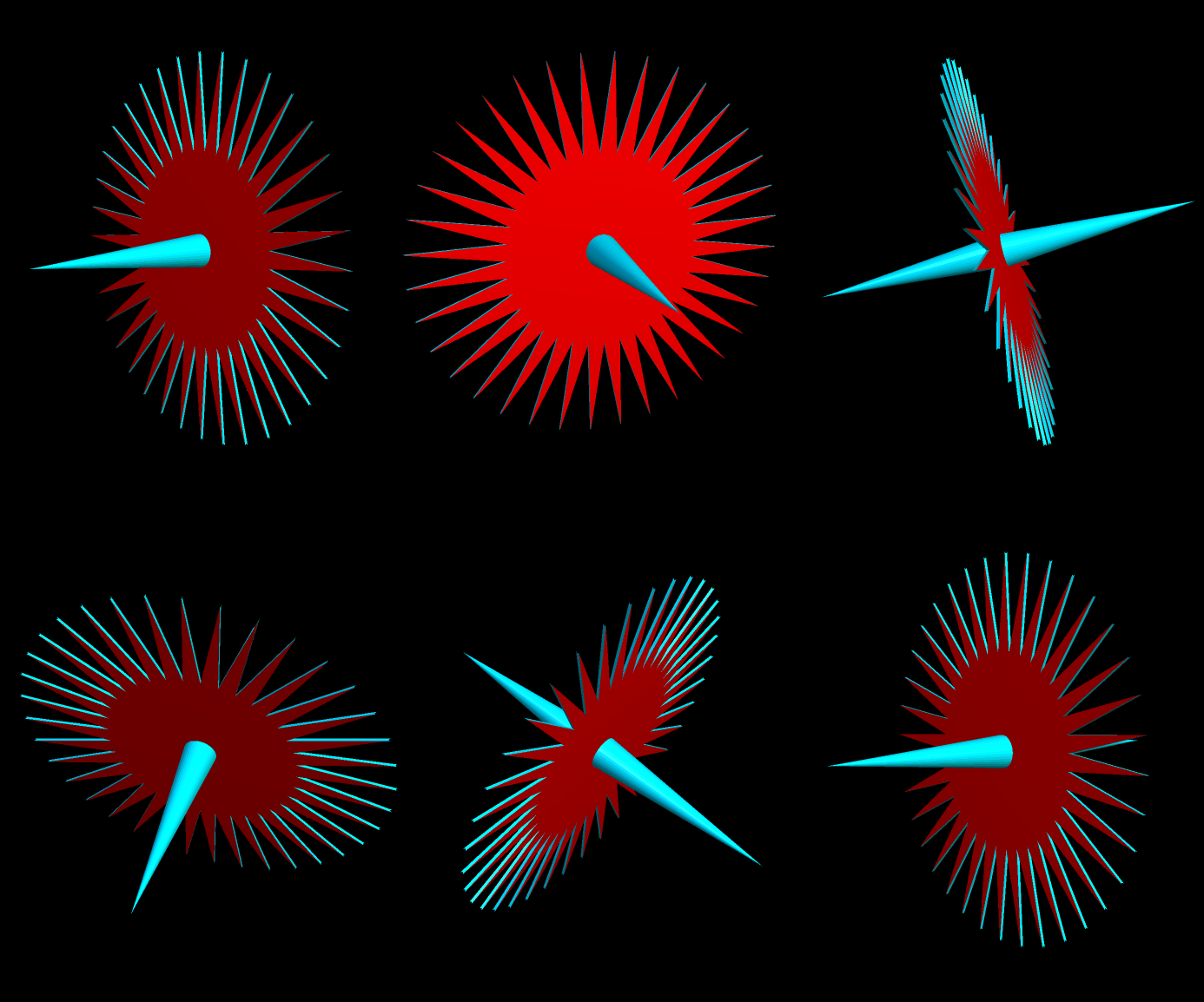
Both of these were created using Stella 4d, available at http://www.software3d.com/Stella.php. To enlarge the second image, simply click on it.

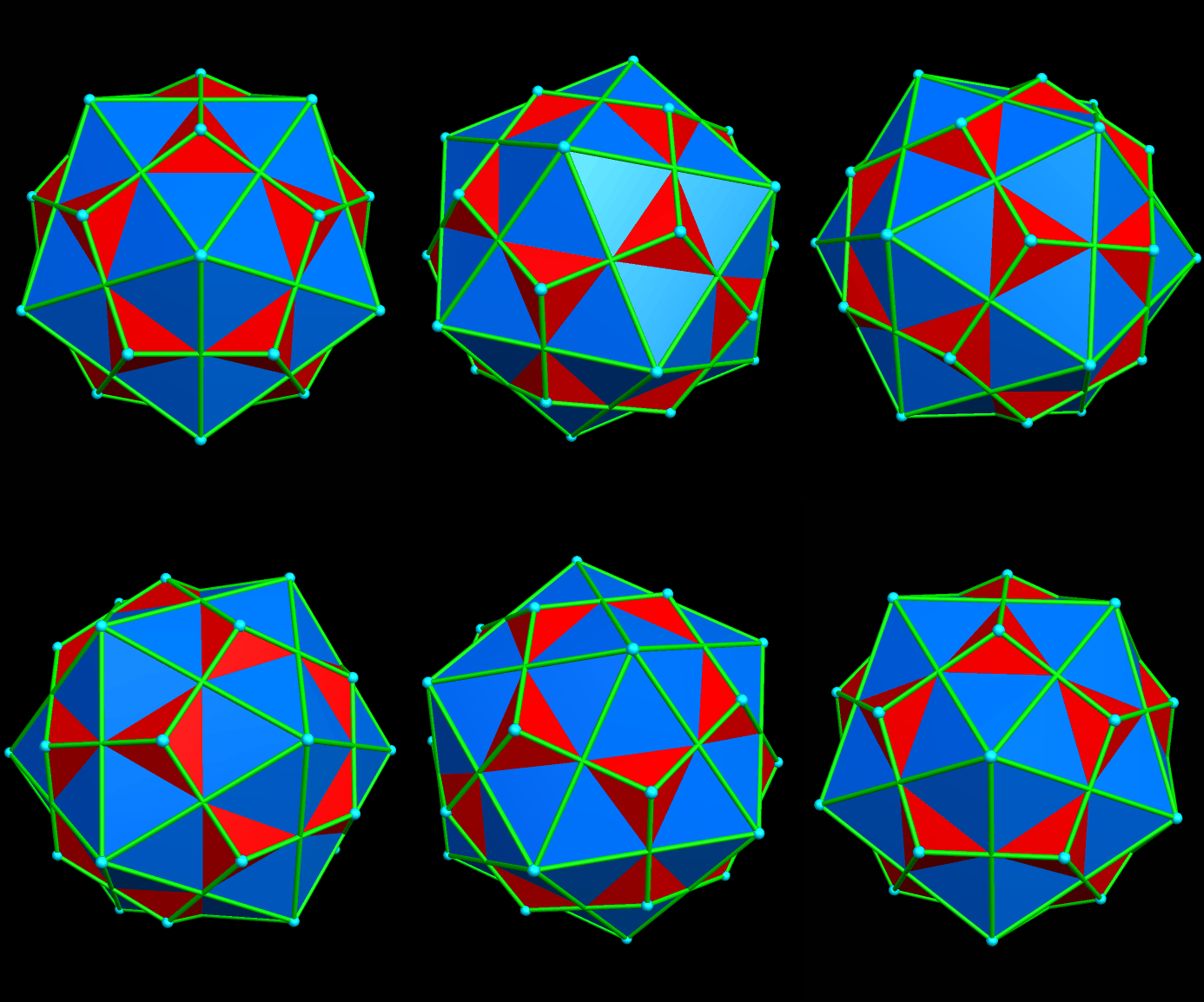
The dodecahedron and the icosahedron are dual to each other, and can be combined to make this well-known compound.
In hyperspace, the analog to the dodecahedron is the hyperdodecahedron, also known as the 120-cell, as well as the hecatonicosachoron. Its dual is the 600-cell, or hexacosichoron, made of 600 tetrahedral cells. The image at the top is the compound of these two polychora, rotating in hyperspace.
These images were made using Stella 4d, available at http://www.software3d.com/Stella.php.

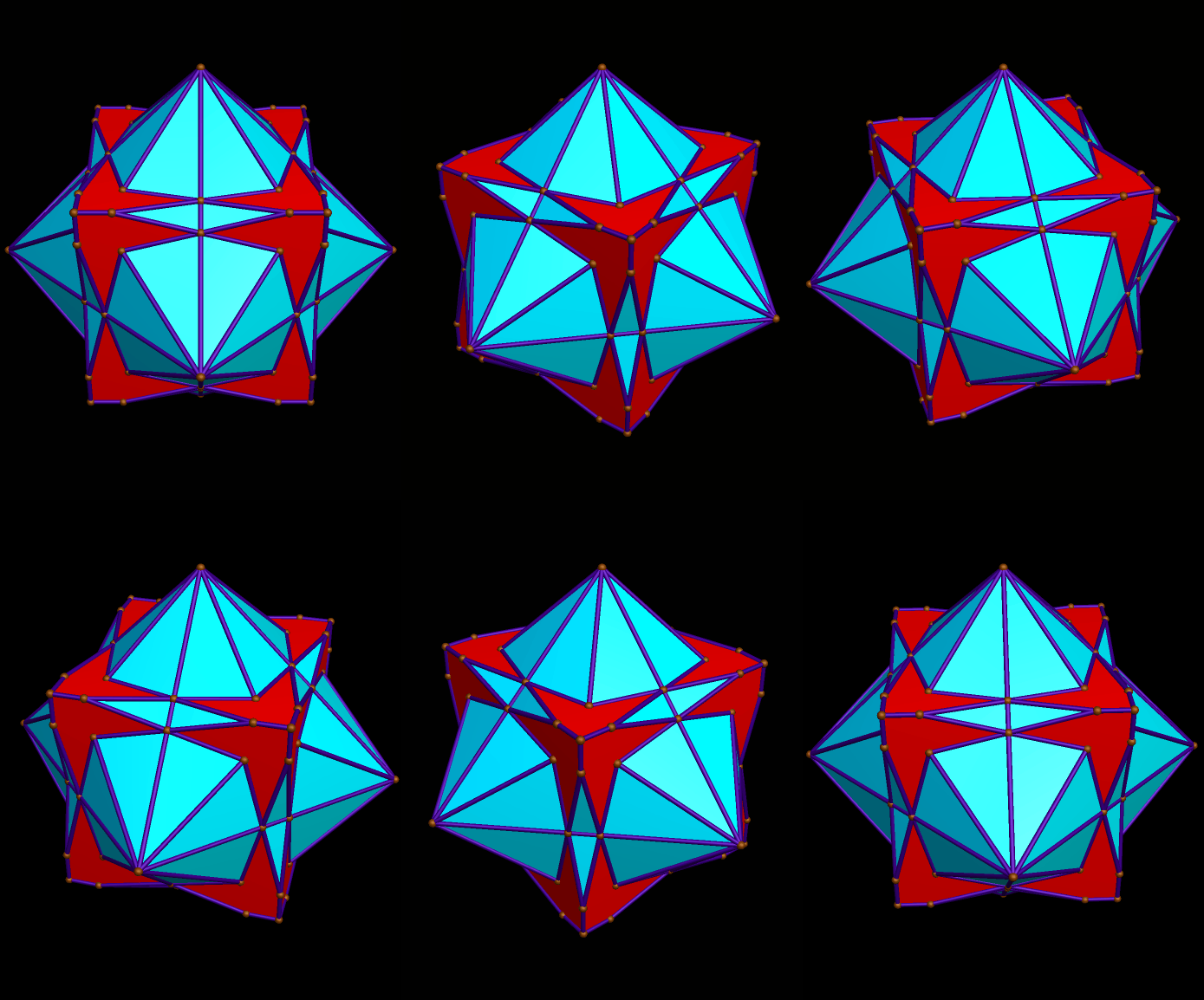
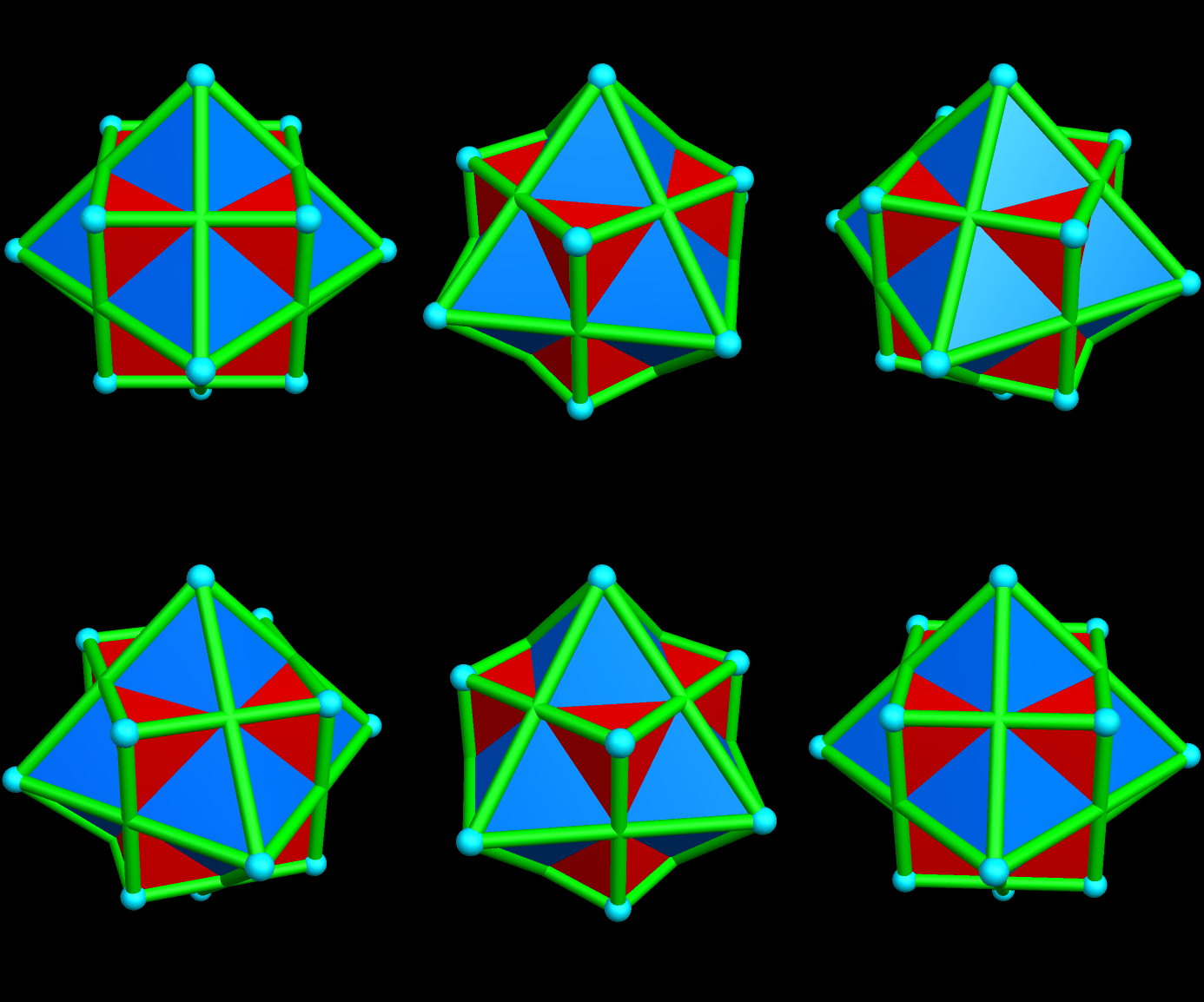
The cube and the octahedron are dual to each other, and can be combined to make this well-known compound (below; can be enlarged with a click).
In hyperspace, the analog to the cube is the tesseract, also known the 8-cell, the octachoron, and the hypercube. Its dual is the 16-cell, or hexadecachoron, made of 16 tetrahedral cells. The image at the top is the compound of these two polychora, rotating in hyperspace.
These images were made using Stella 4d, available at http://www.software3d.com/Stella.php.
 RobertLovesPi.net