Unknown's avatar

About RobertLovesPi

I go by RobertLovesPi on-line, and am interested in many things, a large portion of which are geometrical. Welcome to my own little slice of the Internet. The viewpoints and opinions expressed on this website are my own. They should not be confused with those of my employer, nor any other organization, nor institution, of any kind.

A Survey of Polyhedra with Pyritohedral Symmetry

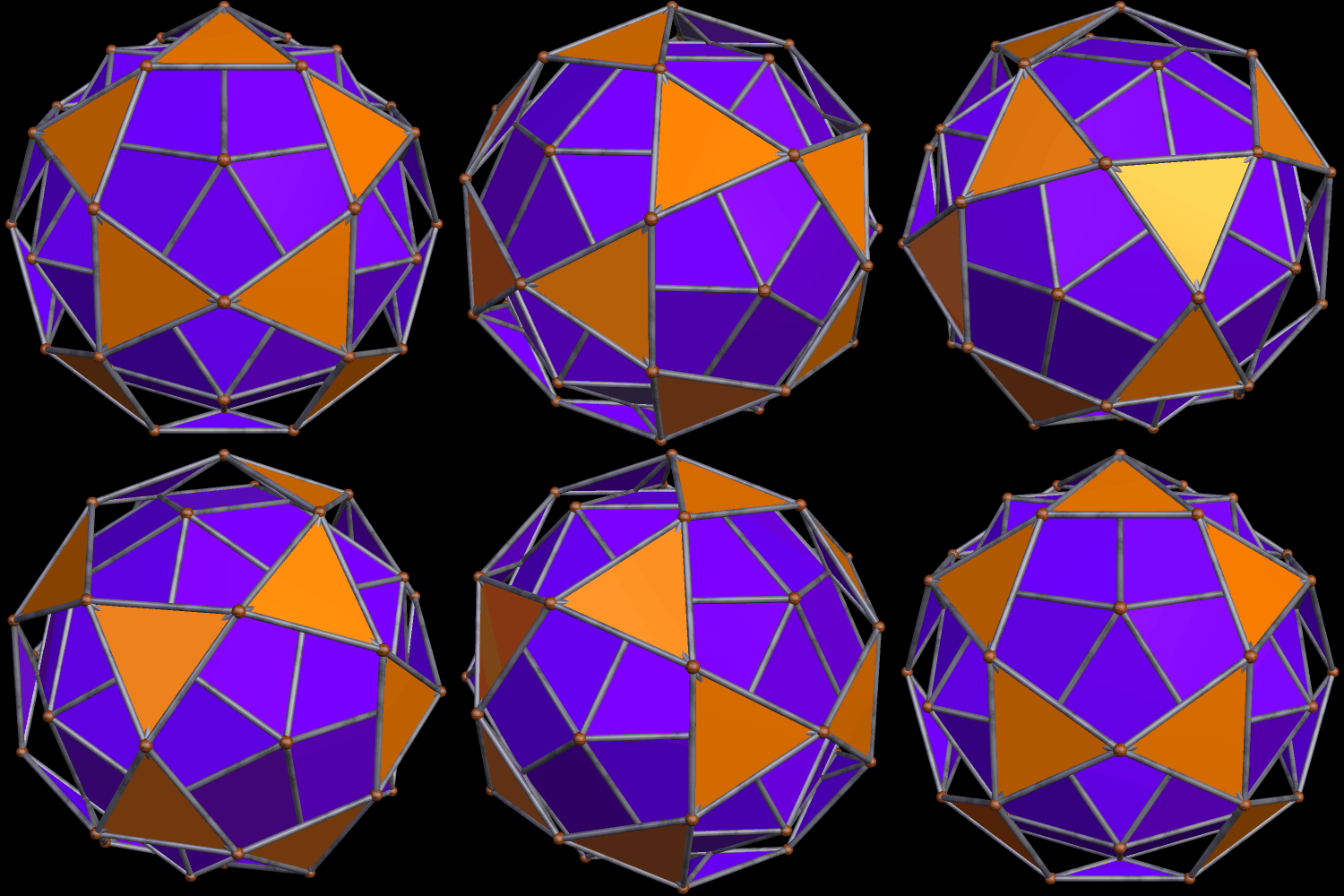
The simplest way for many to understand pyritohedral symmetry is simply to realize that it is the symmetry of the seams in a volleyball. The first time I encountered this unusual symmetry-type was in the golden icosahedron I blogged about here, a figure which much resembles this pyritohedral icosahedron, except the dozen isosceles triangles in this one have a leg-to-base ratio which is not the golden ratio.
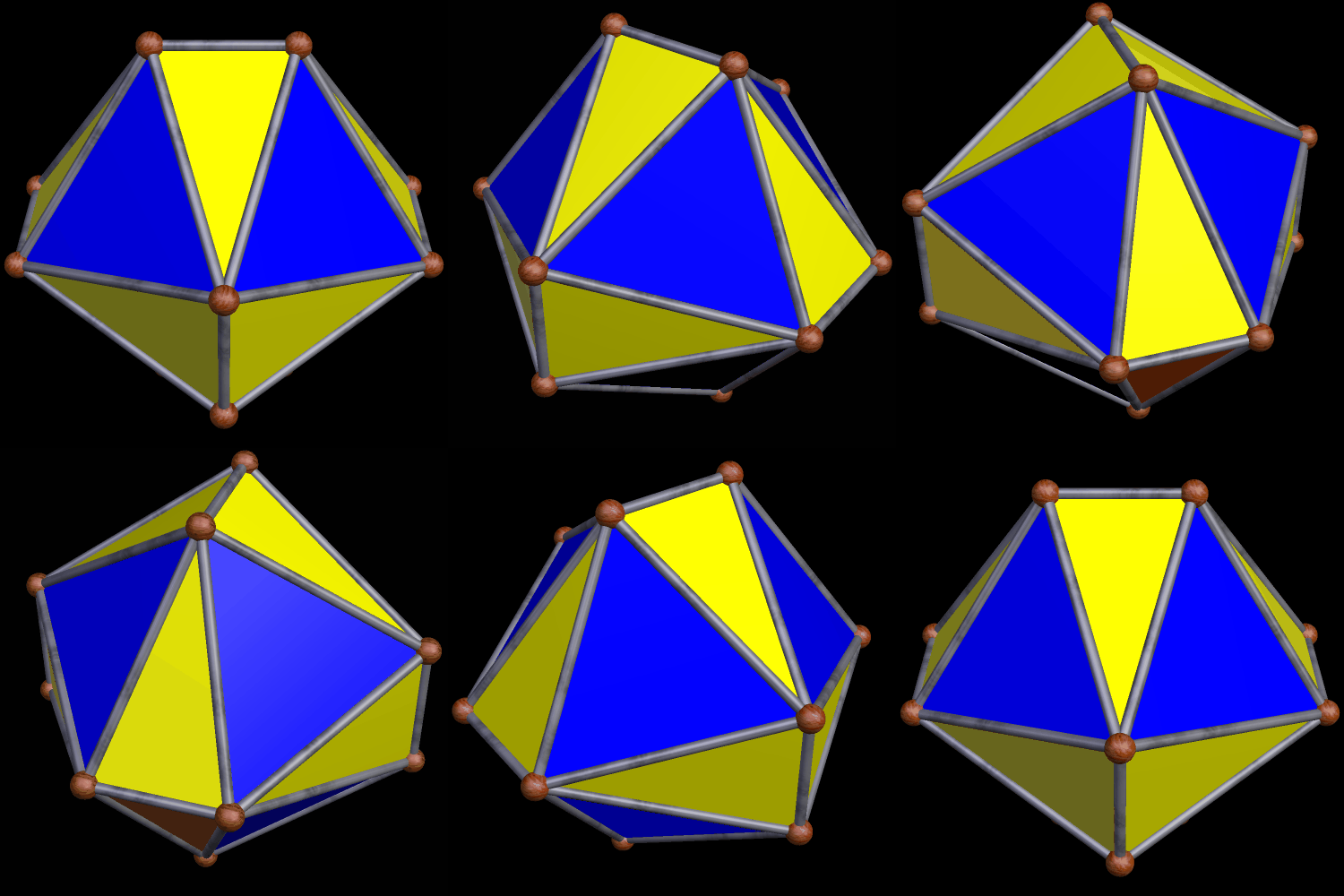
non golden pyritohedral icosahedron

Earlier today, I went on a search for polyhedra with pyritohedral symmetry. I found several, but the worthwhile findings from the search are far from exhausted. Here are some others I found, exploring and manipulating polyhedra using Stella 4d, which you can try at this website.

another pyritohedral version of an icosahedronIn the version of the pyritohedral icosahedron above, the twelve green triangles have become heptagons which use very short sides to approximate triangles. The one below is of a similar figure, but one in which truncations has happened, so I call it a truncated pyritohedral icosahedron.

pyritohedral version of a truncated icosahedron

There also exist many pyritohedral polyhedra based, more or less, on the cube. These are a few I have found:
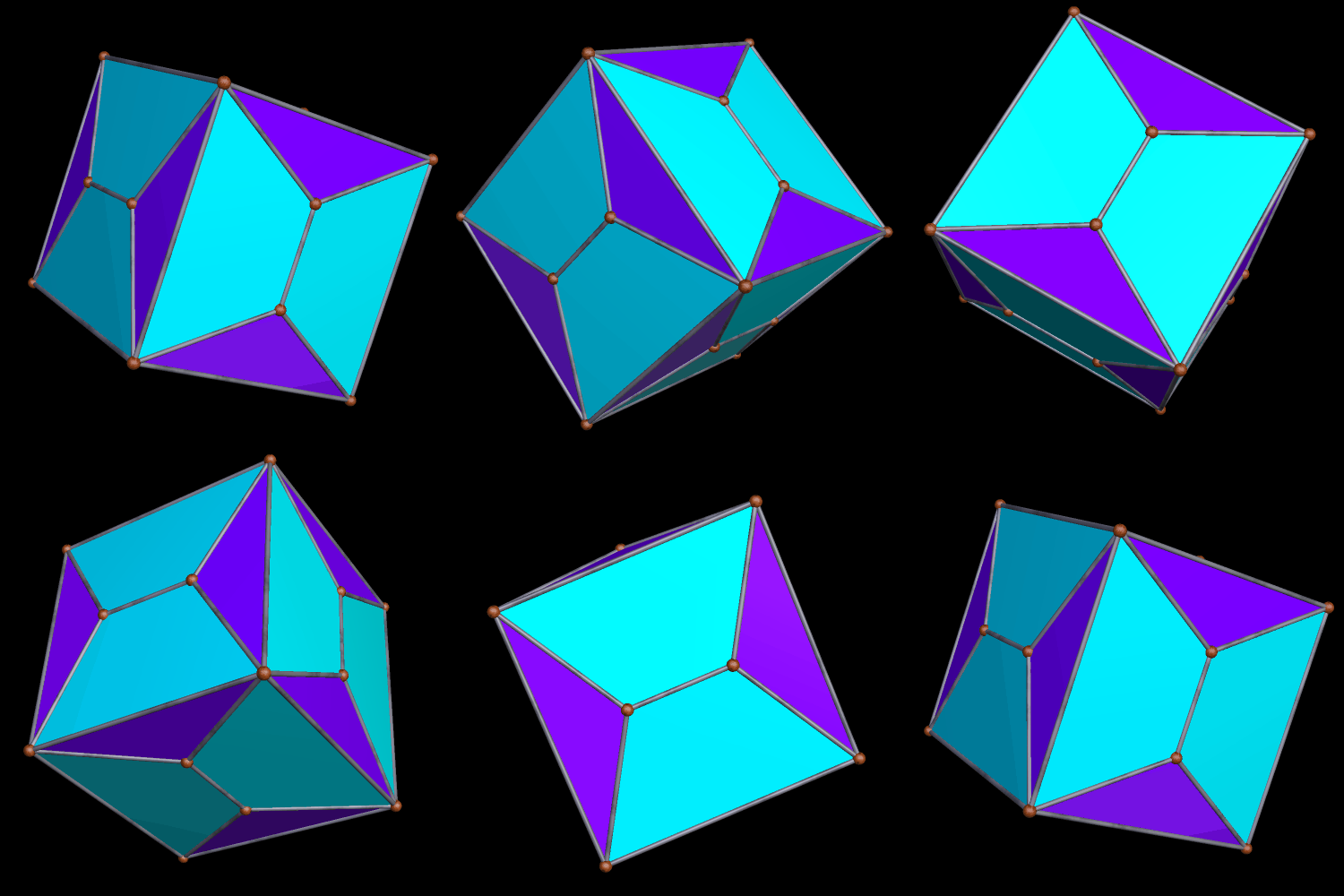
pyritohedral cube

pyritohedral cube variant

another pyritohedral cube

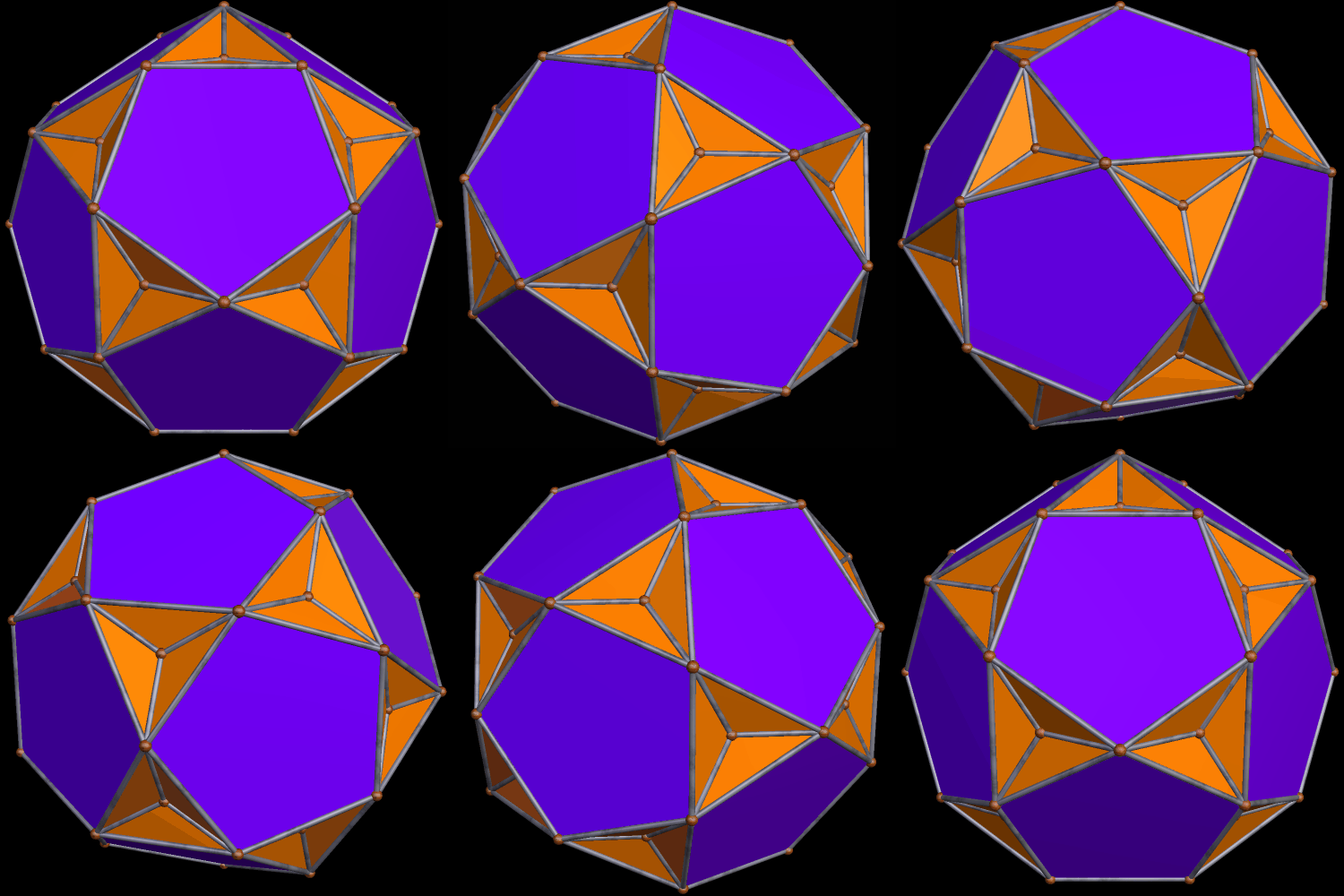
Now, is this next one a pyritohedral cube, or a pyritohedral dodecahedron? A case could be made for either, so it inhabits a “gray zone” between varying categories.
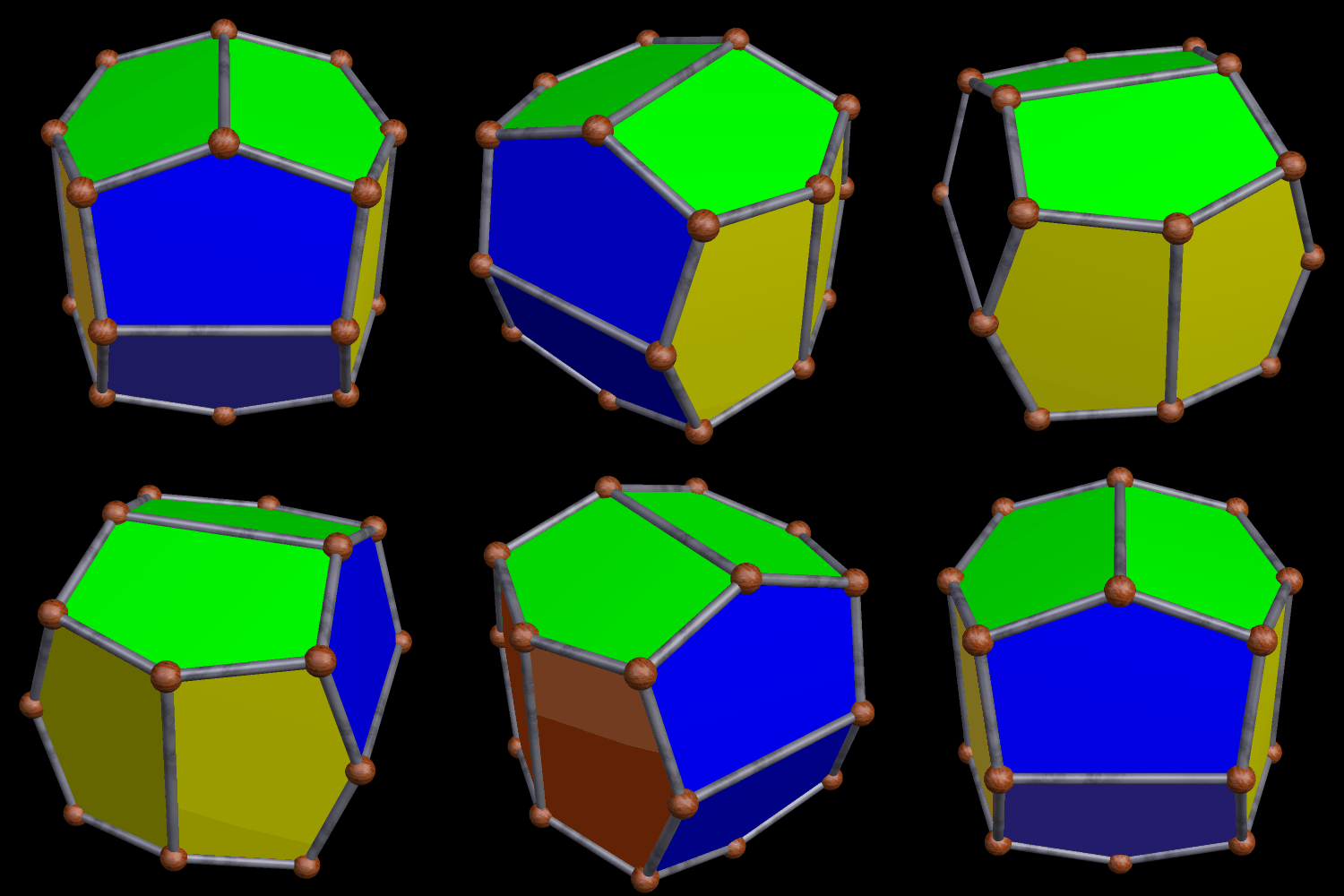
pyritohedral dodecahedron

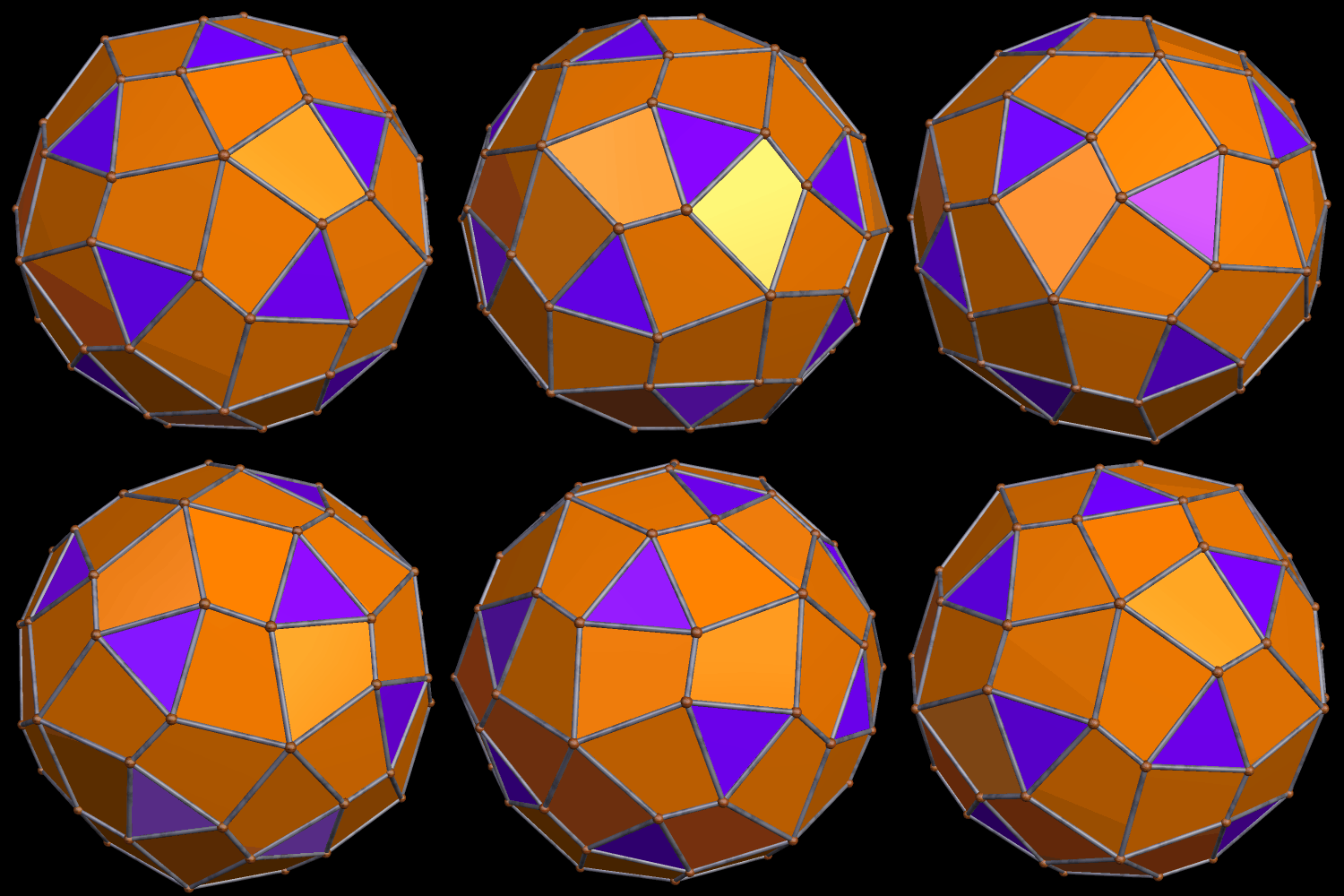
Here is a pyritohedral icosidodecahedron:
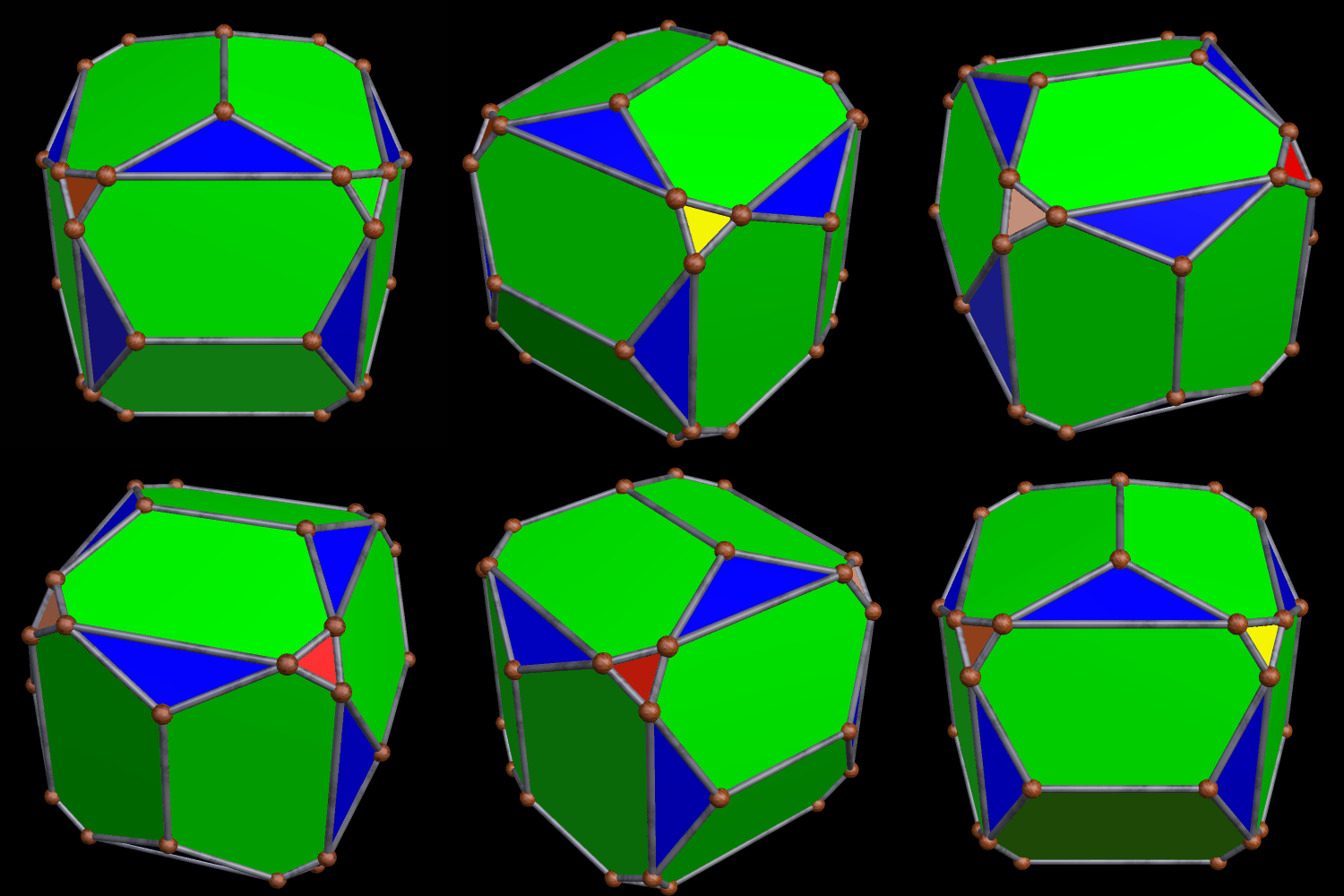
pyritohedral icosidoecahedronl

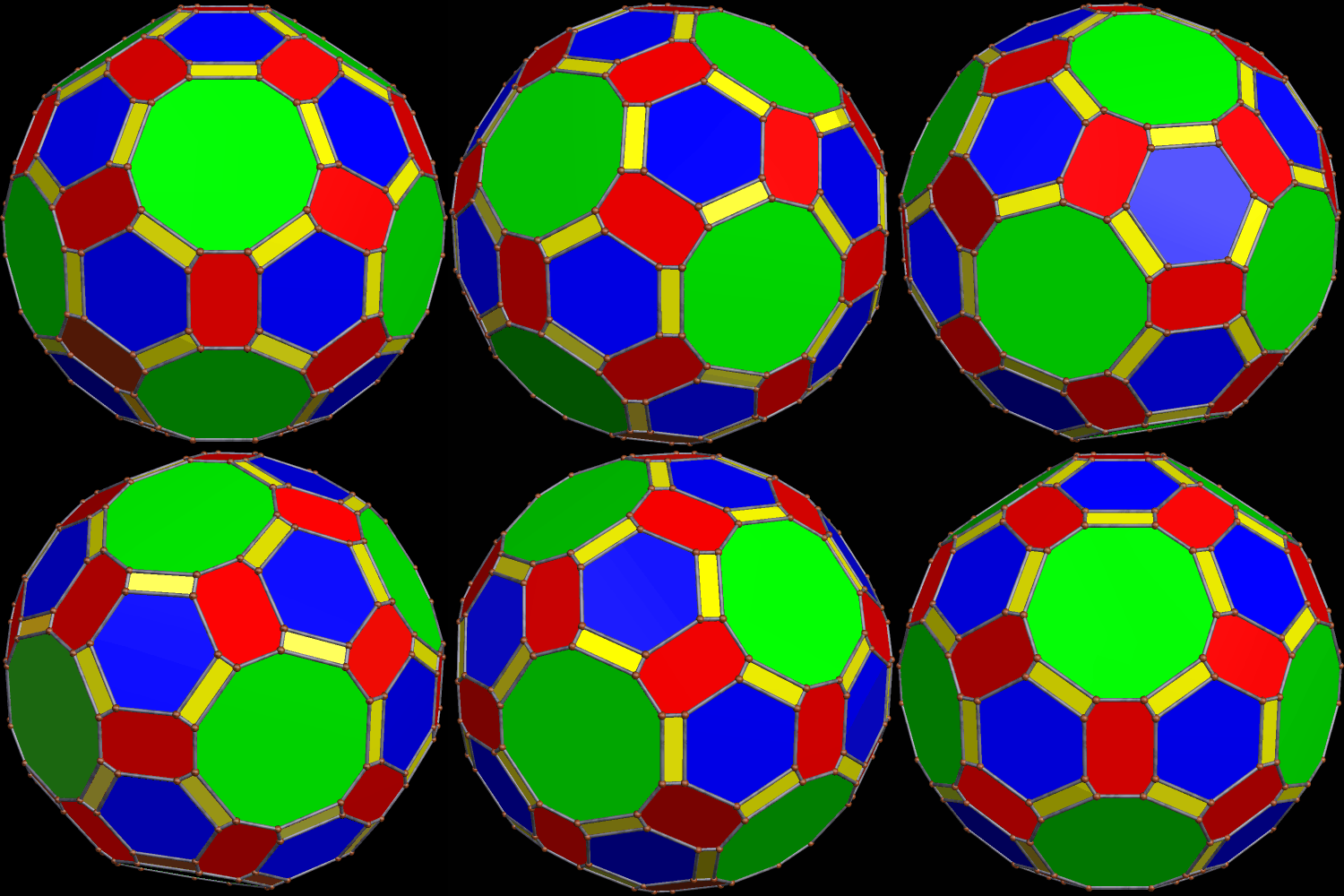
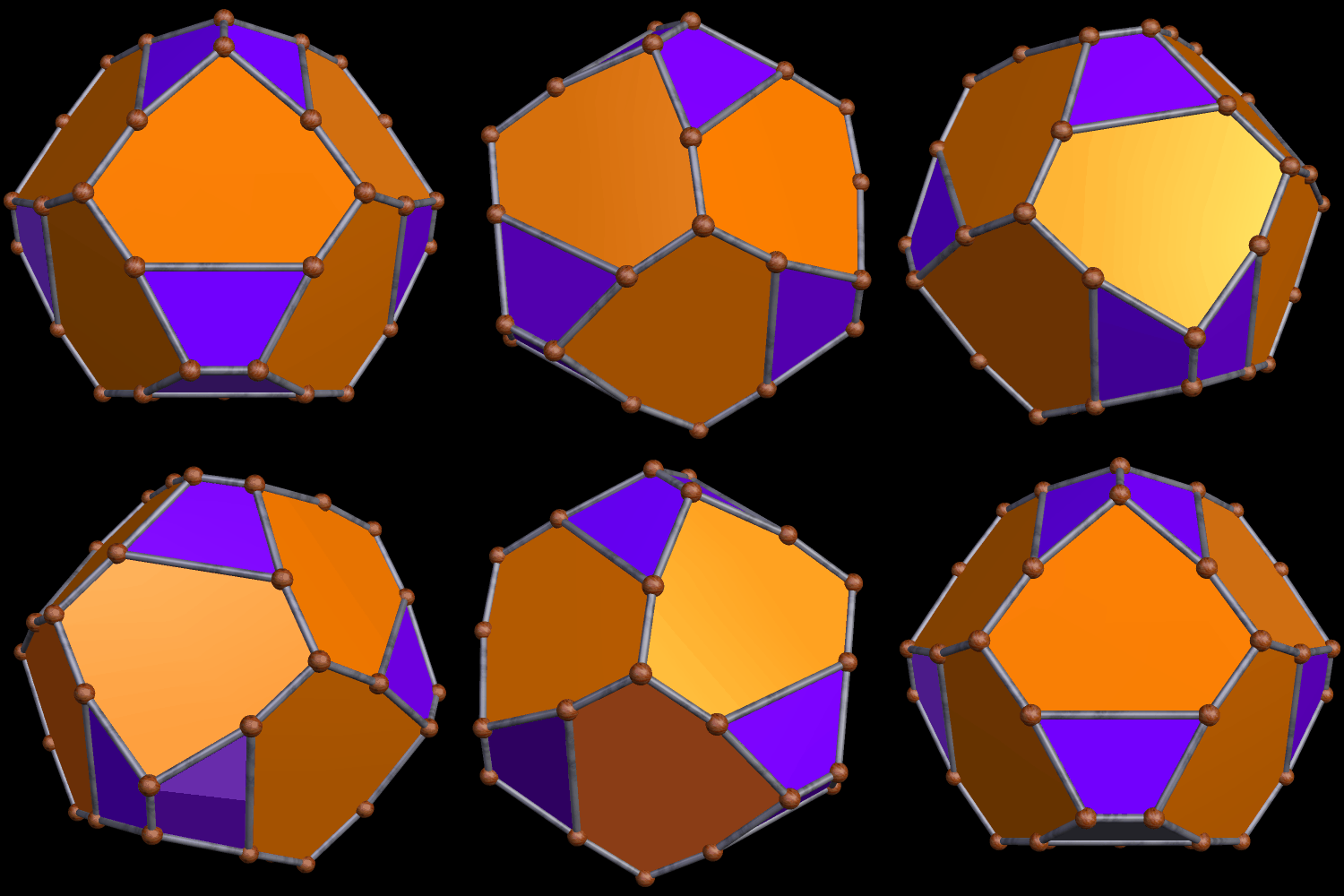
This one could probably be described in multiple ways, also, but it looks, to me, like a rhombic dodecahedron with its six four-valent vertices being double-truncated in a pyritohedral manner, with pairs of isosceles trapezoids appearing where the truncations took place.
Convex hull of icosahedron plus CO

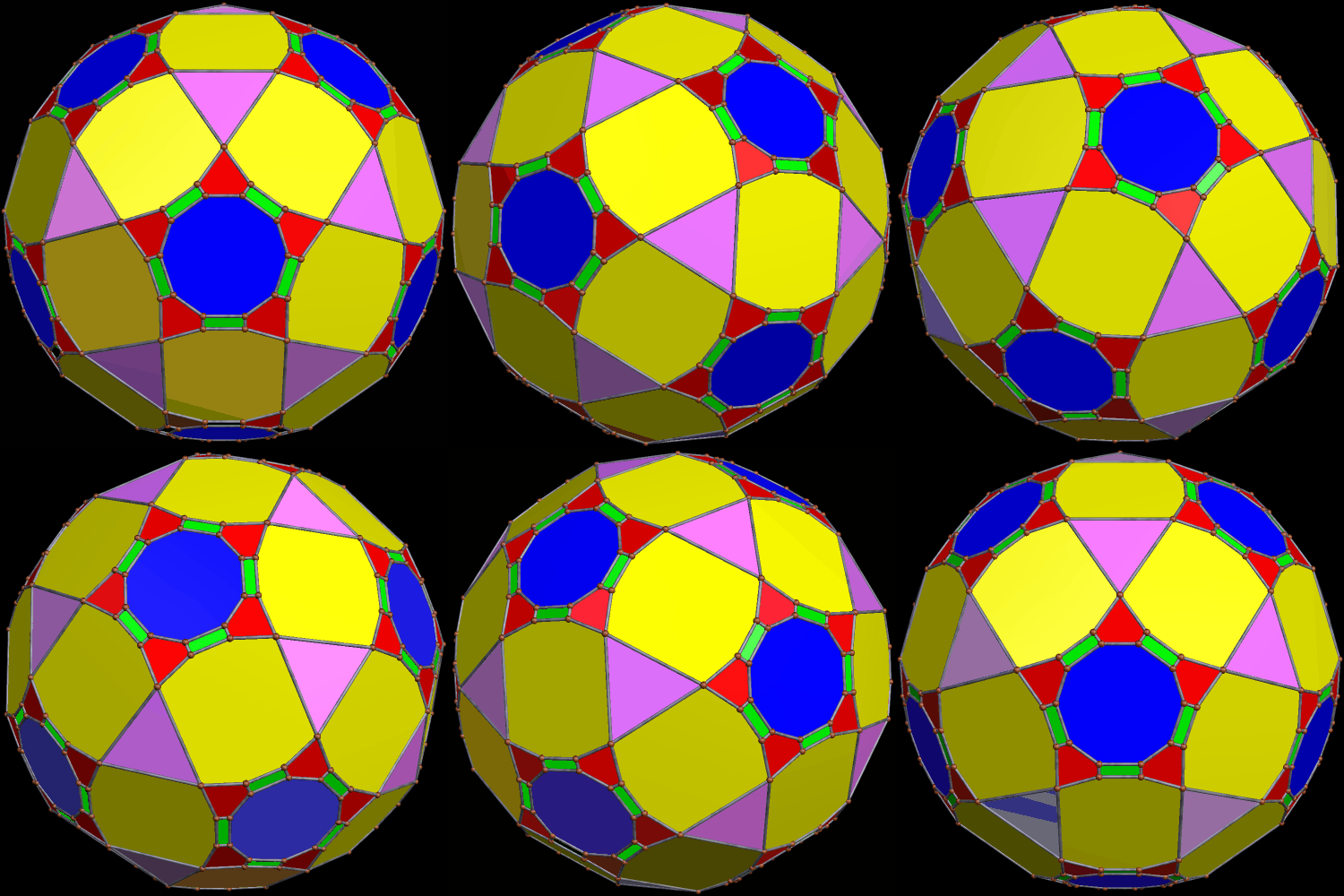
One thing that this one, and the last, have in common is that the largest faces are heptagons. It appears to be a pyritohedral dodecahedron which has been only partially truncated.

12 helptagons and 8 trianlgesl

This survey could not have been performed without a program called Stella 4d, which I rely on heavily for polyhedral investigations. It may be purchased, or tried for free, at http://www.software3d.com/Stella.php.
If You Have Enough Platonic Dodecahedra Around, and Glue Them Together Just Right, You Can Make a Rhombic Triacontahedron.

Aren’t you glad to know that? As soon as I found out icosahedra can form a rhombic dodecahedron (see last post), I knew this would be true as well. Why? Zome explains why, actually. It’s at http://www.zometool.com. Anything buildable with yellow Zome can be built out of icosahedra. Dodecahedra con form anything buildable with red Zome. Finally, if you can make it with blue Zome, it can be built out of rhombic triacontahedra. It follows that rhombicosidodecahedra can build anything Zome-constructible — but one look at a Zomeball makes that easy to believe, since Zomeballs are modified rhombicosidodecahedra.

Anyway, here’s the rhombic triacontahedron, made of dodecahedra:

Augmented Dodeca

[Image created with Stella 4d; see http://www.software3d.com/Stella.php for more info re: this program.]

A Rhombic Dodecahedral Lattice, Made of Icosahedra

Augmented Icosa

I used Stella 4d: Polyhedron Navigator to make this. You can find this program at http://www.software3d.com/Stella.php.

A Compound of Three Square Dipyramids

The reason I am not calling this a compound of three octahedra is that the faces of the dipyramids aren’t quite equilateral. They are, however, isosceles.

compound of three square dipyramids

This was created with Stella 4d, which you can buy, or try for free, right here.

Happy Second Anniversary of Your Simulated Existence

386145

The world ended on this day in 2012 — December 21 — when the Mayan calendar began a new cycle. We now secretly live in a computer simulation run by highly advanced ancient Mayan aliens. They have authorized me to wish you a happy second anniversary of the end of your previous existence.

[Image credit: within this simulation, you can find this picture at http://wall.alphacoders.com/by_sub_category.php?id=206132.]

A Partially-Invisible Rhombicosidodecahedron, and One of Its Stellations

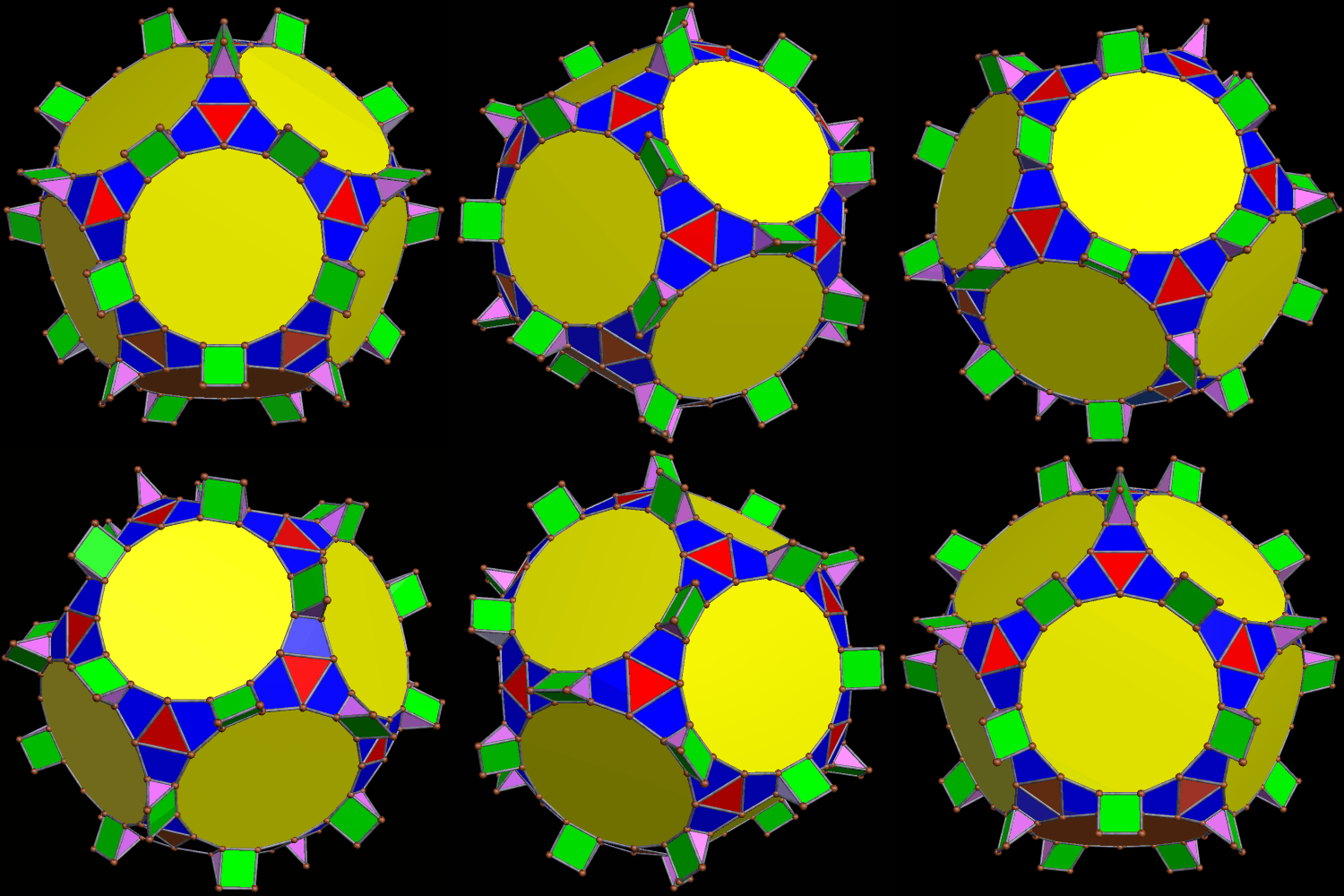
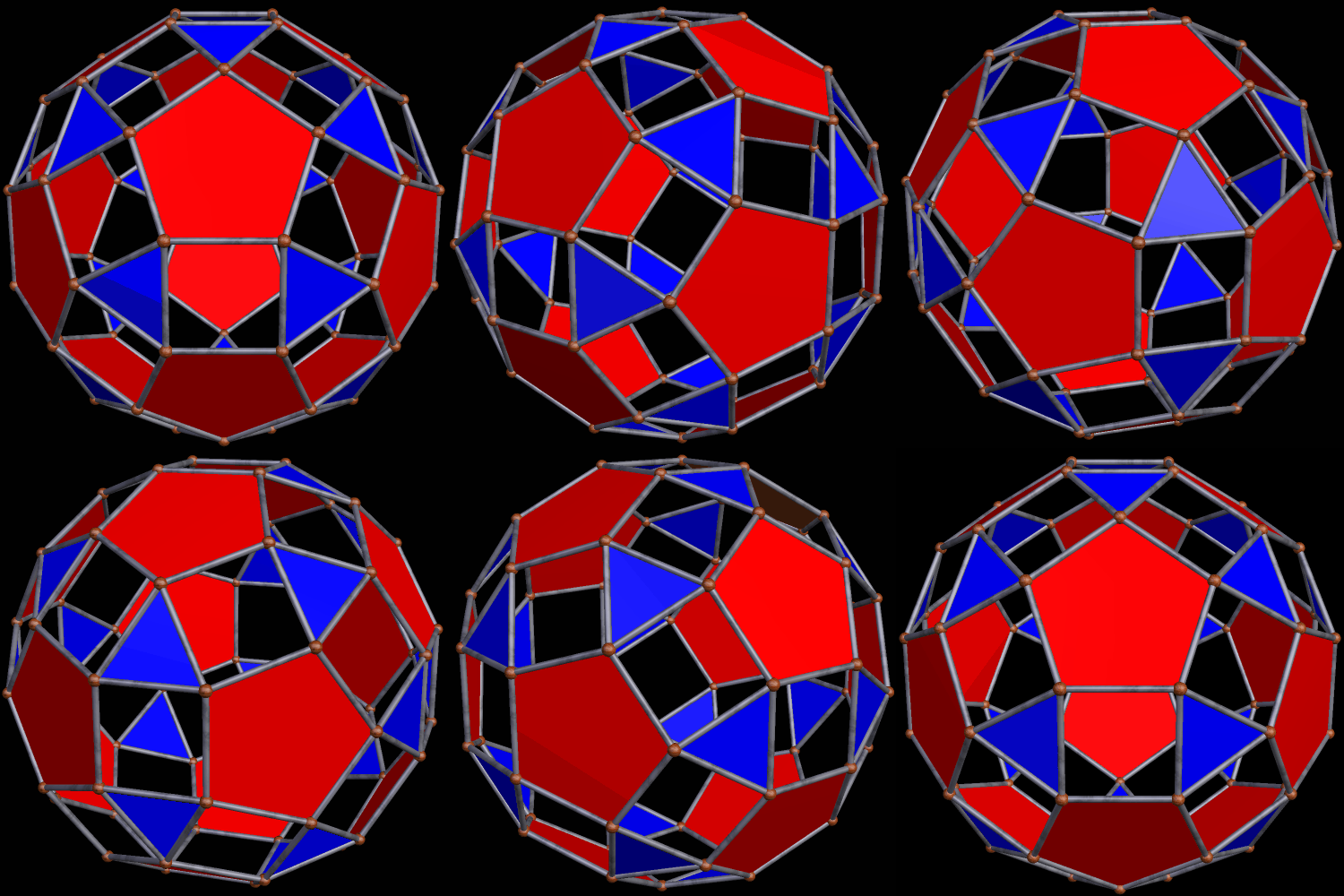
Rhombicosidodeca

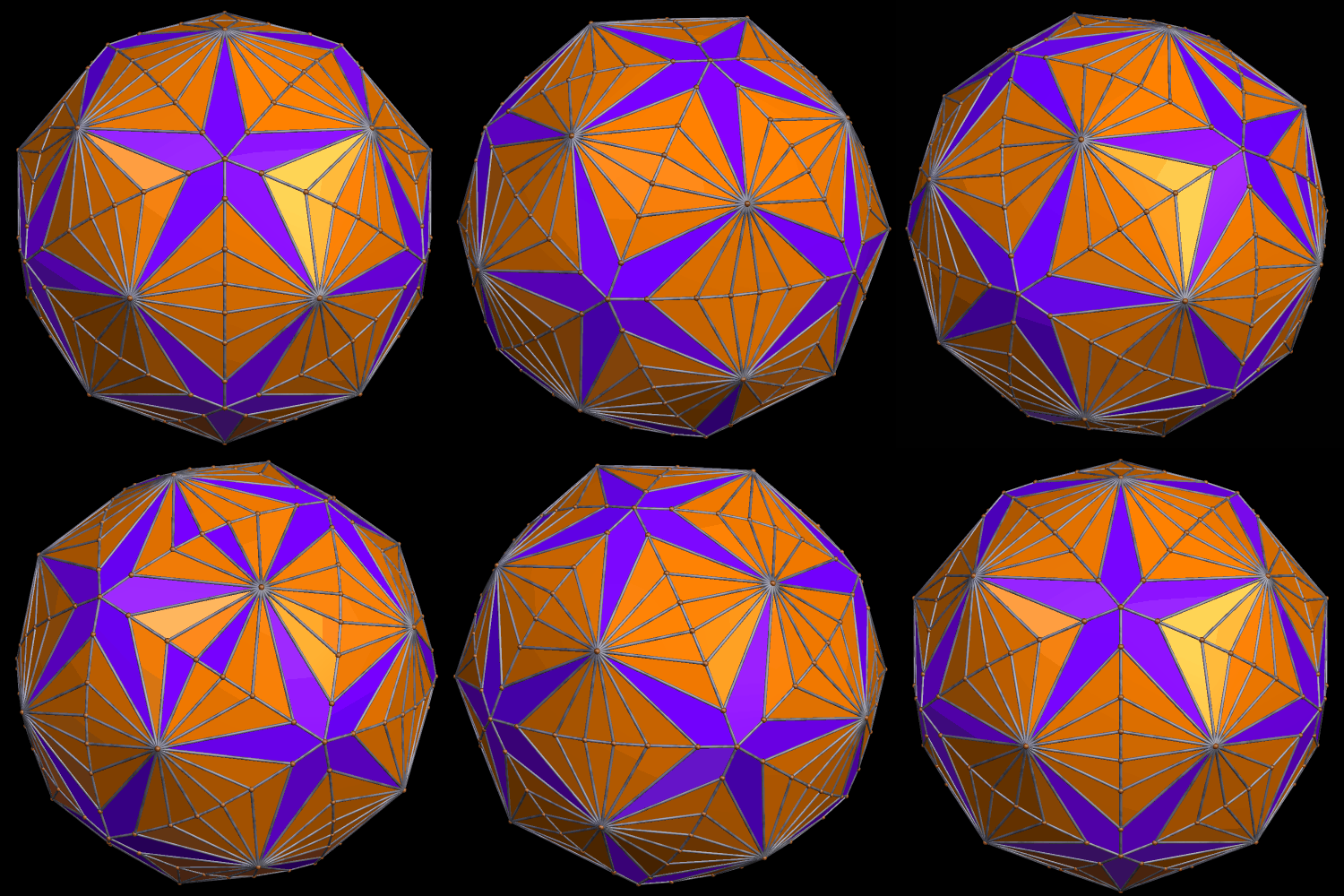
The polyhedron above originally had thirty yellow square faces, but I rendered them invisible so that the interior structure of this polyhedron could be seen.

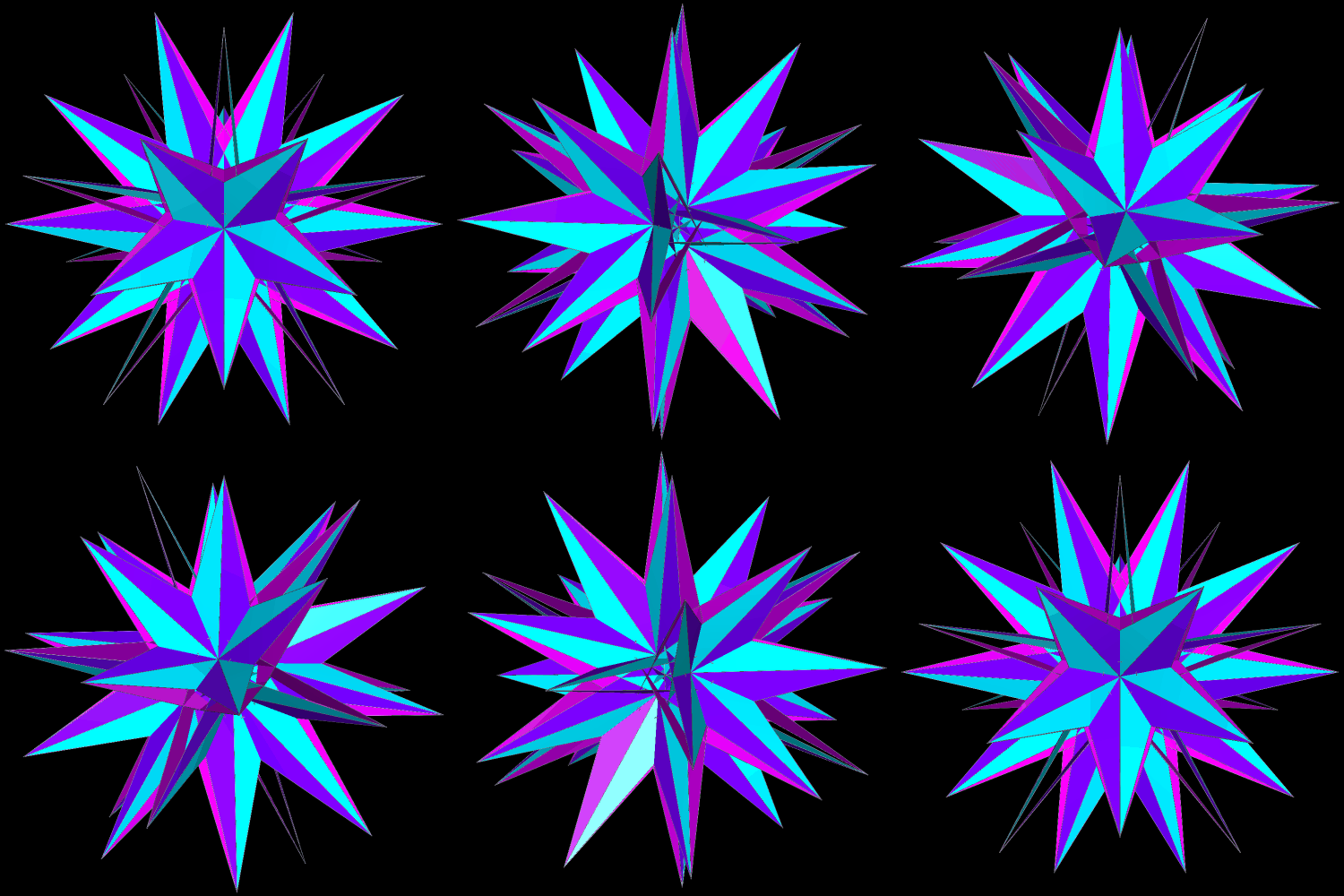
When stellating such a partially-invisible figure, the new faces “inherited” from the “parent polyhedron” are either visible or invisible, depending on which type of face they are derived from. This makes for a very unusual look for some stellations, such as this, the rhombicosidodecahedron’s 50th:

Rhombicosidodeca w inv squares 50th stellations

I created these images using a program called Stella 4d: Polyhedron Navigator. You may try it for yourself at http://www.software3d.com/Stella.php.

The Seven Zonish Dodecahedra with Zones Added Based on Faces, Edges, and/or Vertices

If a zonish dodecahedron is created with zones based on the dodecahedron’s vertices, here is the result.

zonish dod v

If the same thing is done with edges, this is the result — an edge-distorted version of the great rhombicosidodecahedron.

zonish dodeca edges only

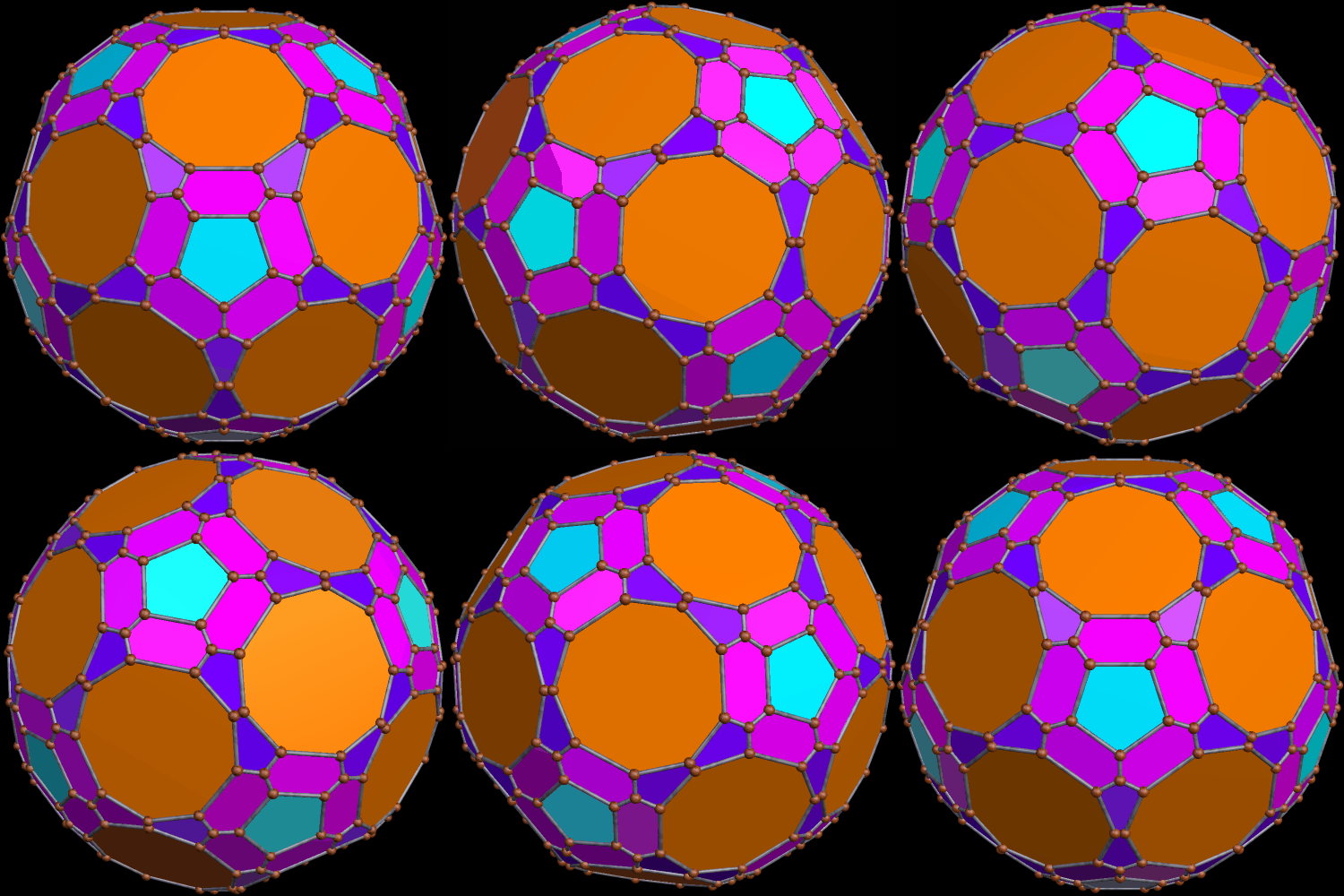
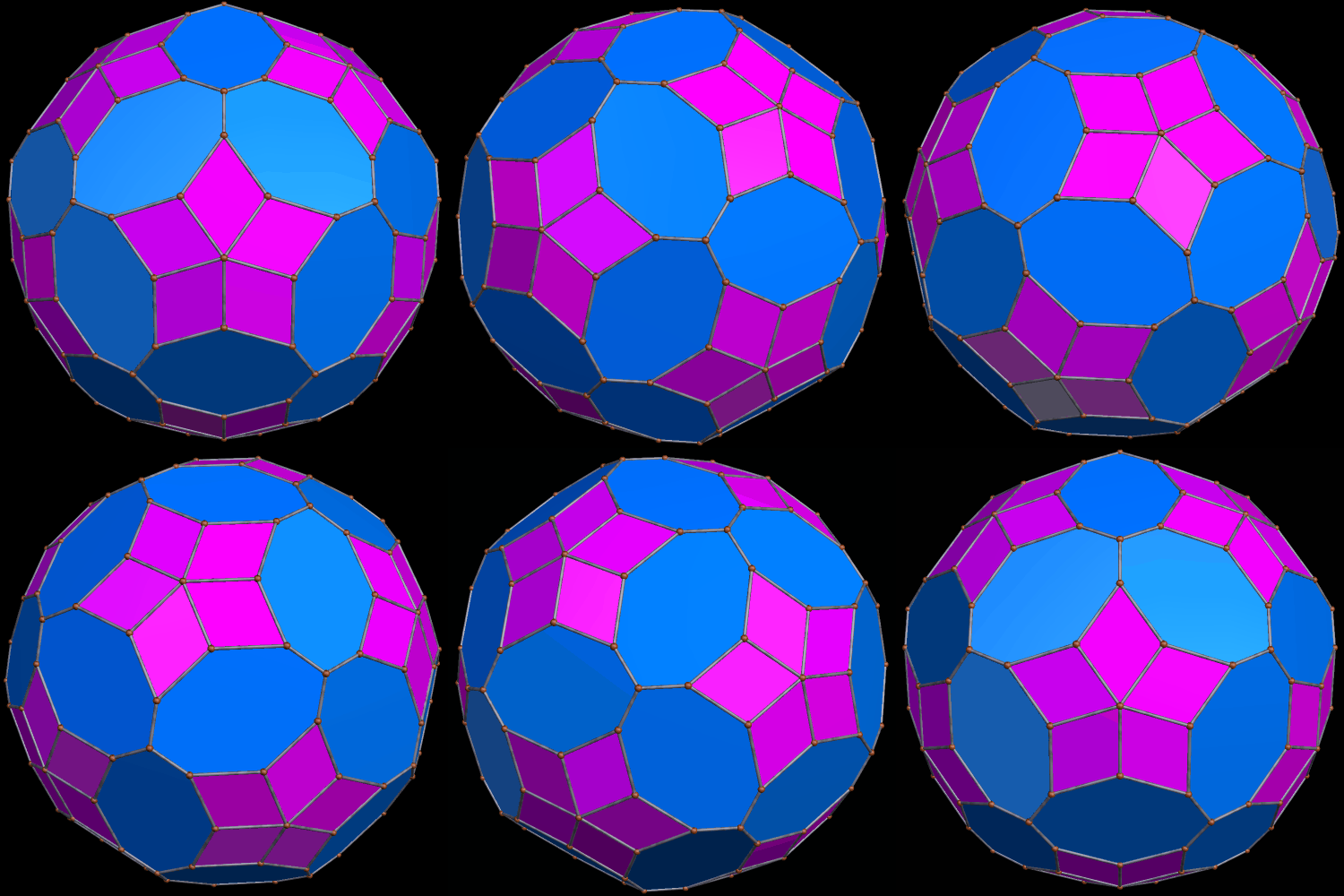
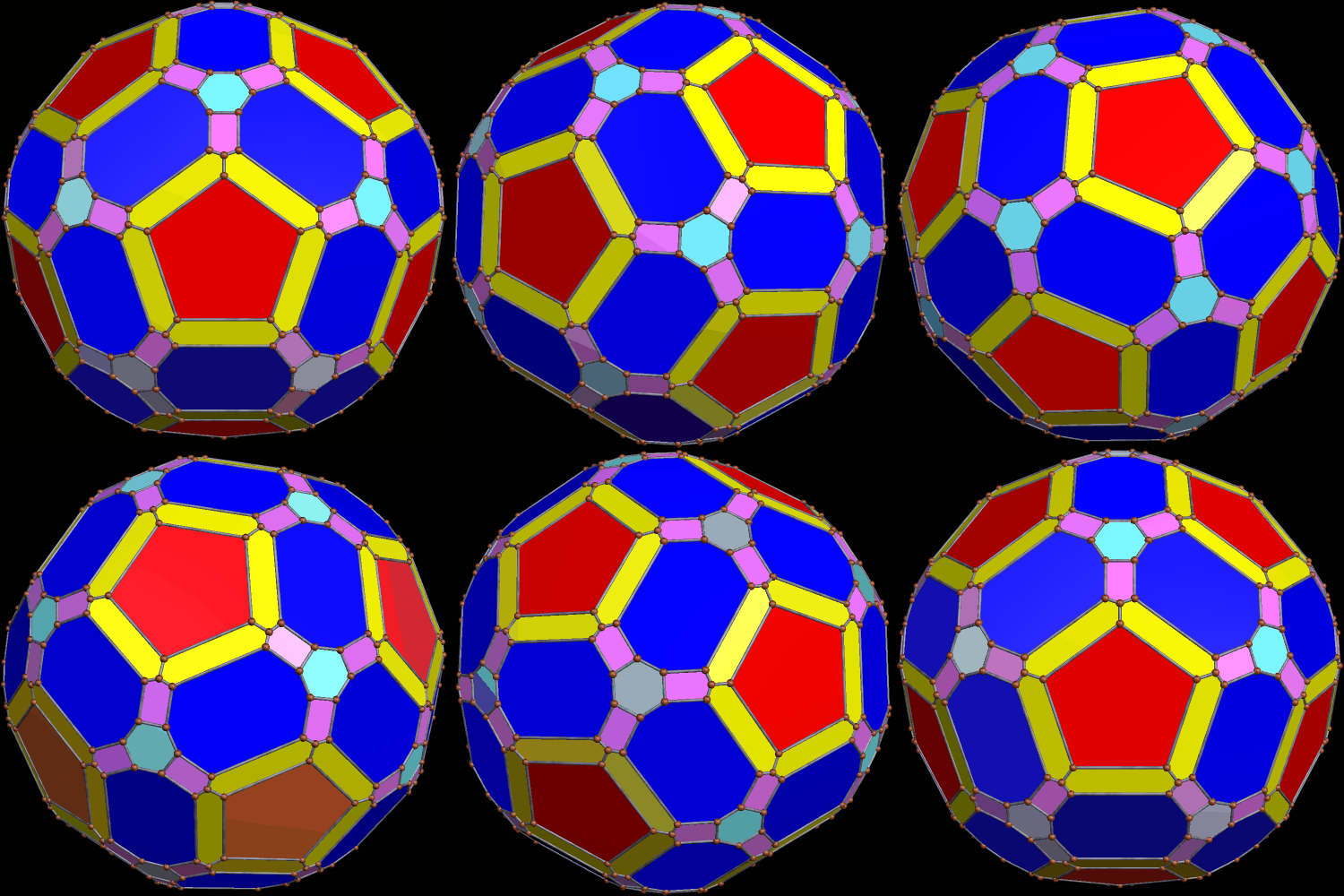
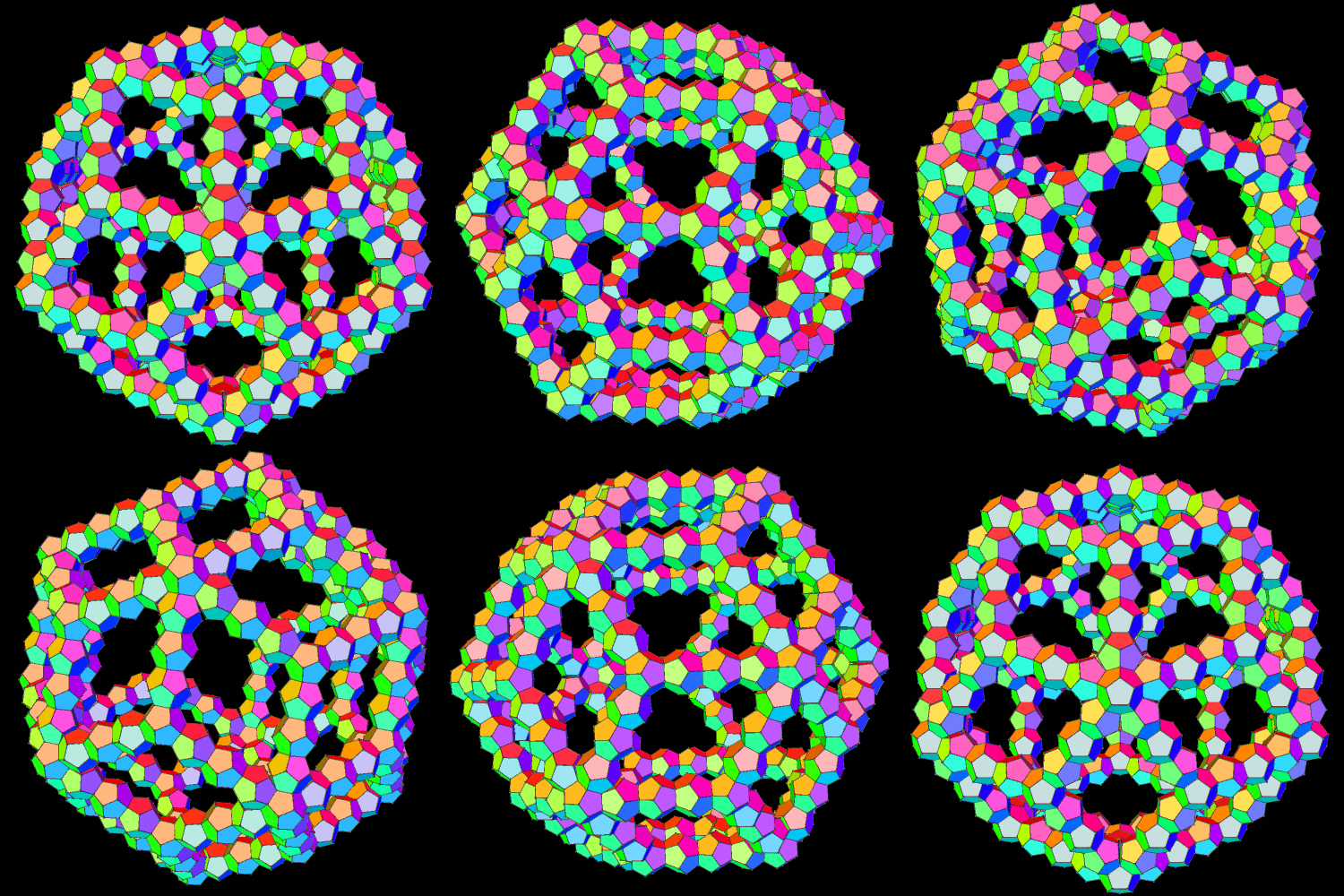
Another option is faces-only. Although I haven’t checked the bond-lengths, this one does have the general shape of the most-symmetrical 80-carbon-atom fullerene molecule. Also, this shape is sometimes called the “pseudo-truncated-icosahedron.”

zonish dodec faces only

The next zonish dodecahedron has had zones added based on the dodecahedron’s faces and edges, both.

zonish dodeca e & f

Here’s the one for vertices and edges.

zonish dodec v & e

Here’s the one for faces and vertices.

zonish dodec v & f

Finally, the last of this set of seven has had zones added based on all three: faces, vertices, and edges.

zonish dodec vfe

All seven of these were made with Stella 4d, which is available at http://www.software3d.com/Stella.php.
Thirty-Three Polyhedra with Icosidodecahedral Symmetry

Note:  icosidodecahedral symmetry, a term coined (as far as I know) by George Hart, means exactly the same thing as icosahedral symmetry. I simply use the term I like better. Also, a few of these, but not many, are chiral.

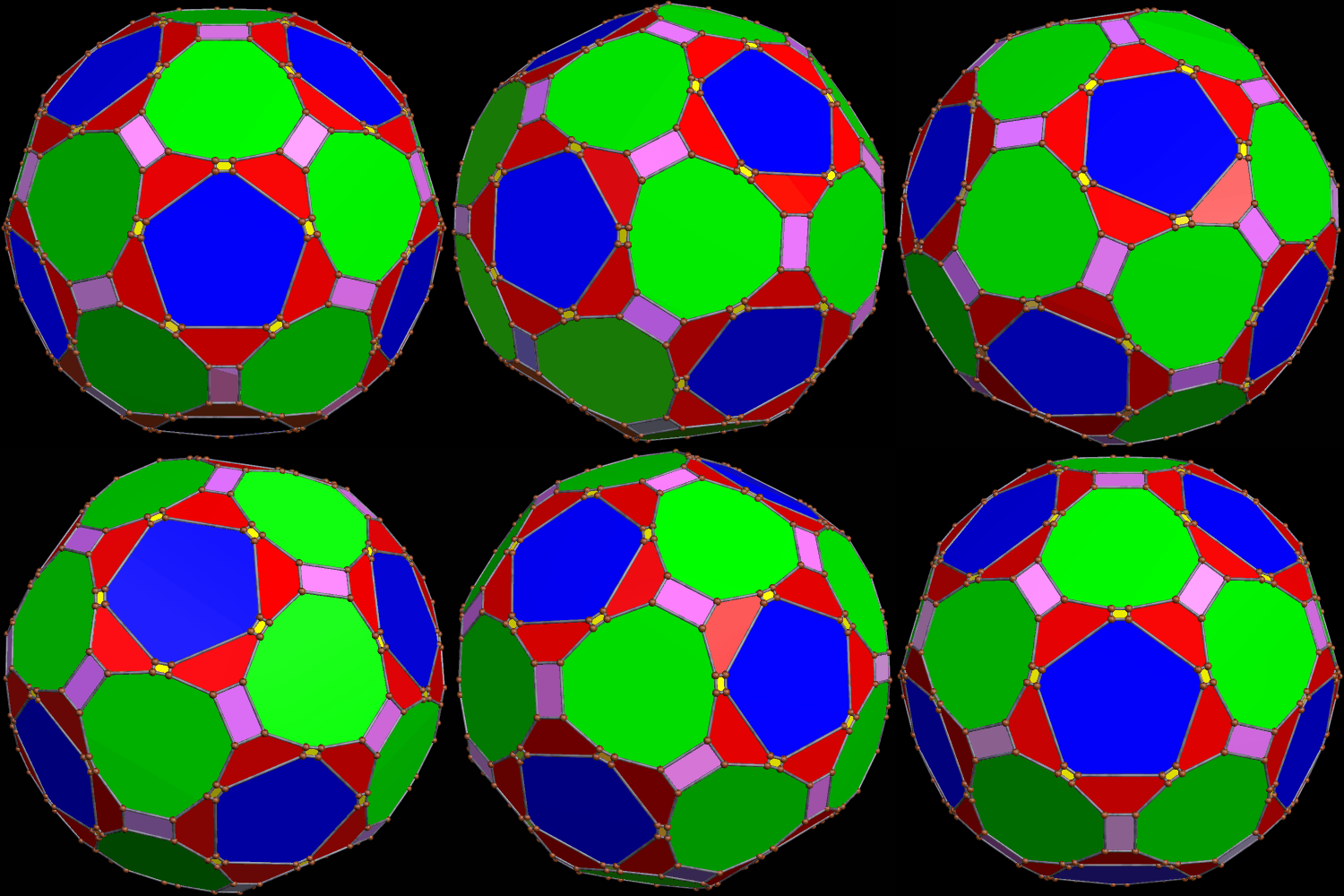
15 reg decagons 30 reg hex 120 trapsl

15x5 20x61 30x62 120x5 182 total

20x9 12x5 and 60x6 and 60x5 total 152

360 triangles

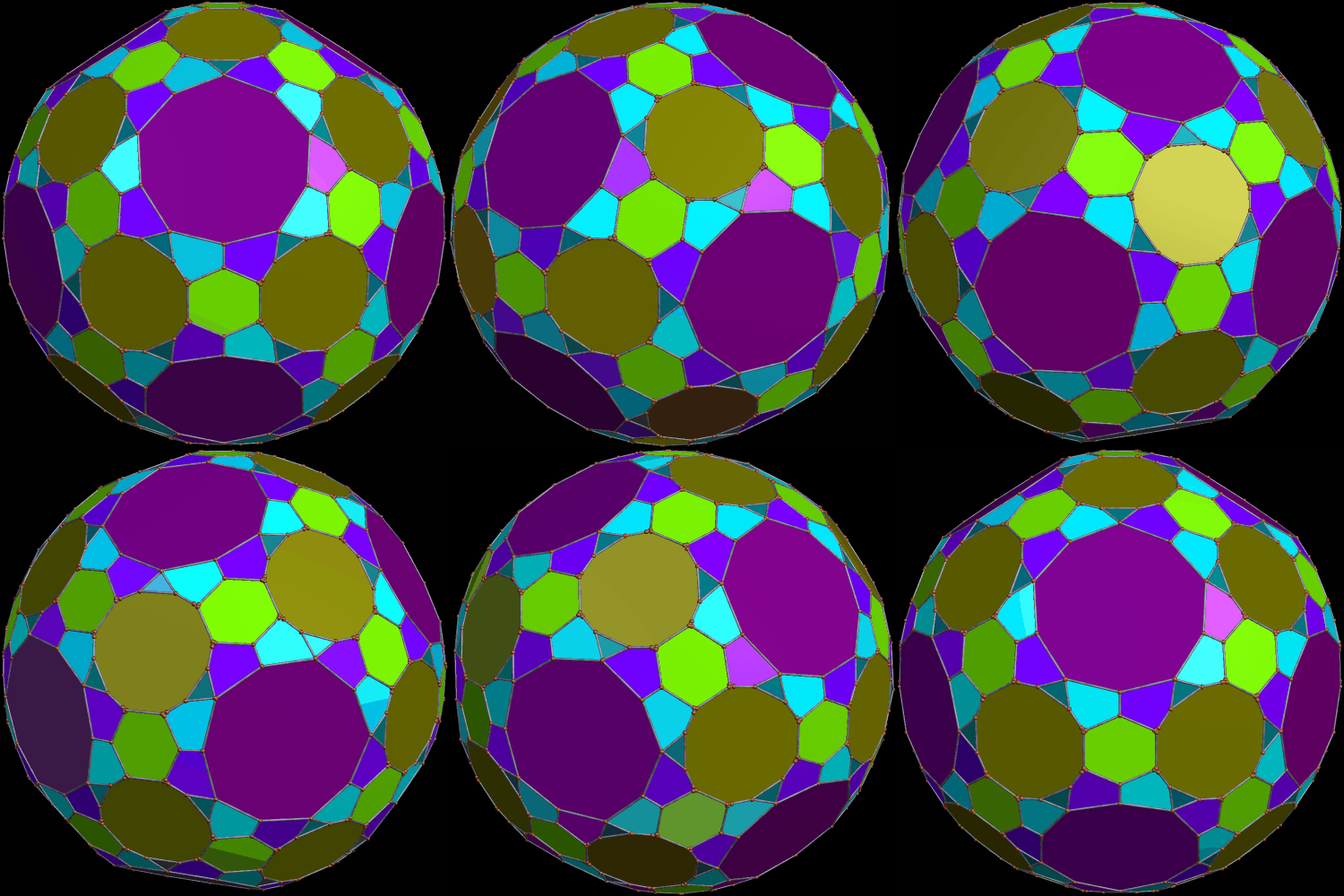
362 faces 12x10 20x18 30x10' 60x7 60x3 and 120 tiny triangles

480 triangular faces

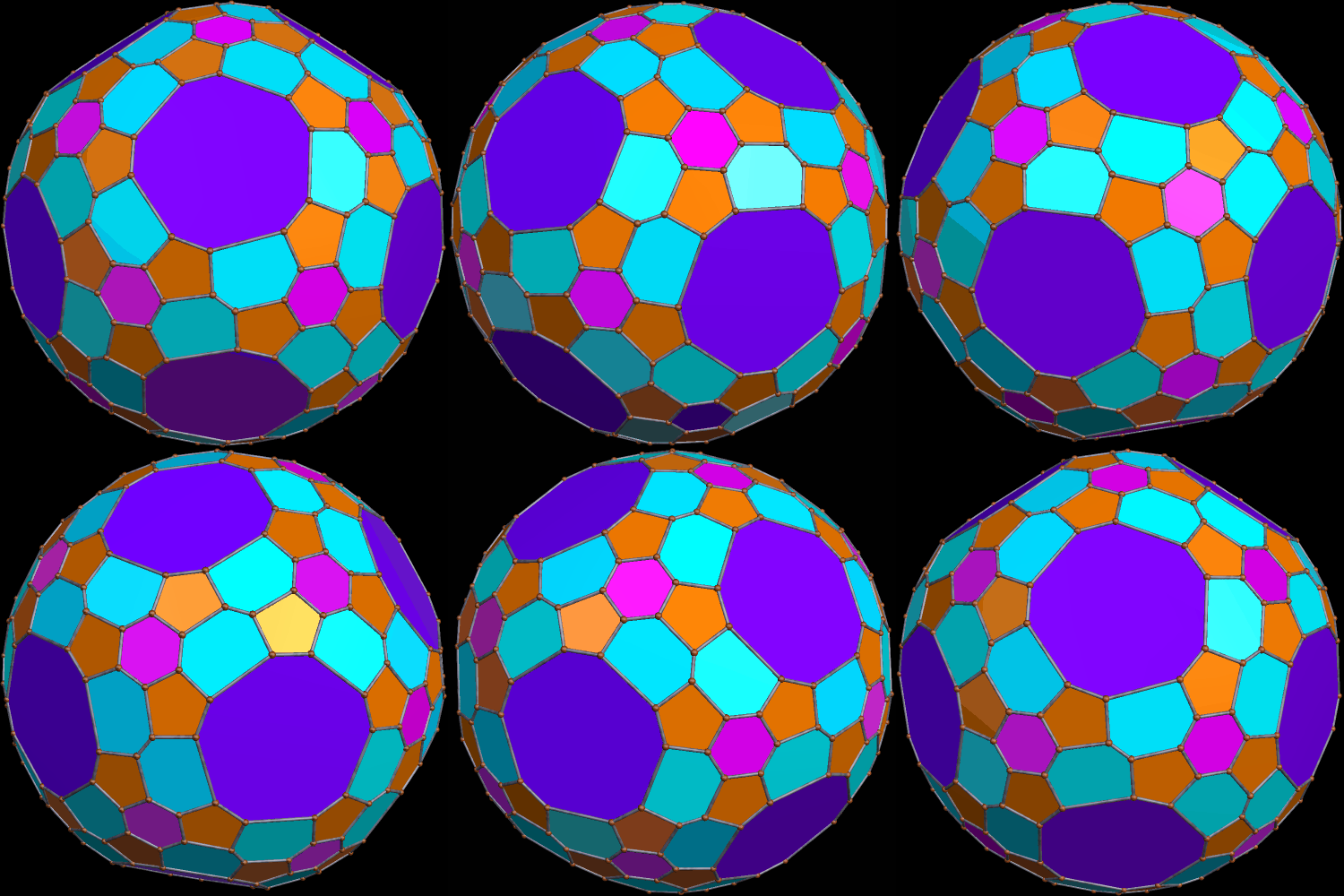
542 faces incl 30x16 20x12 60x6 60x6' 12x5 60x7 120x5 and 120 timy triangles

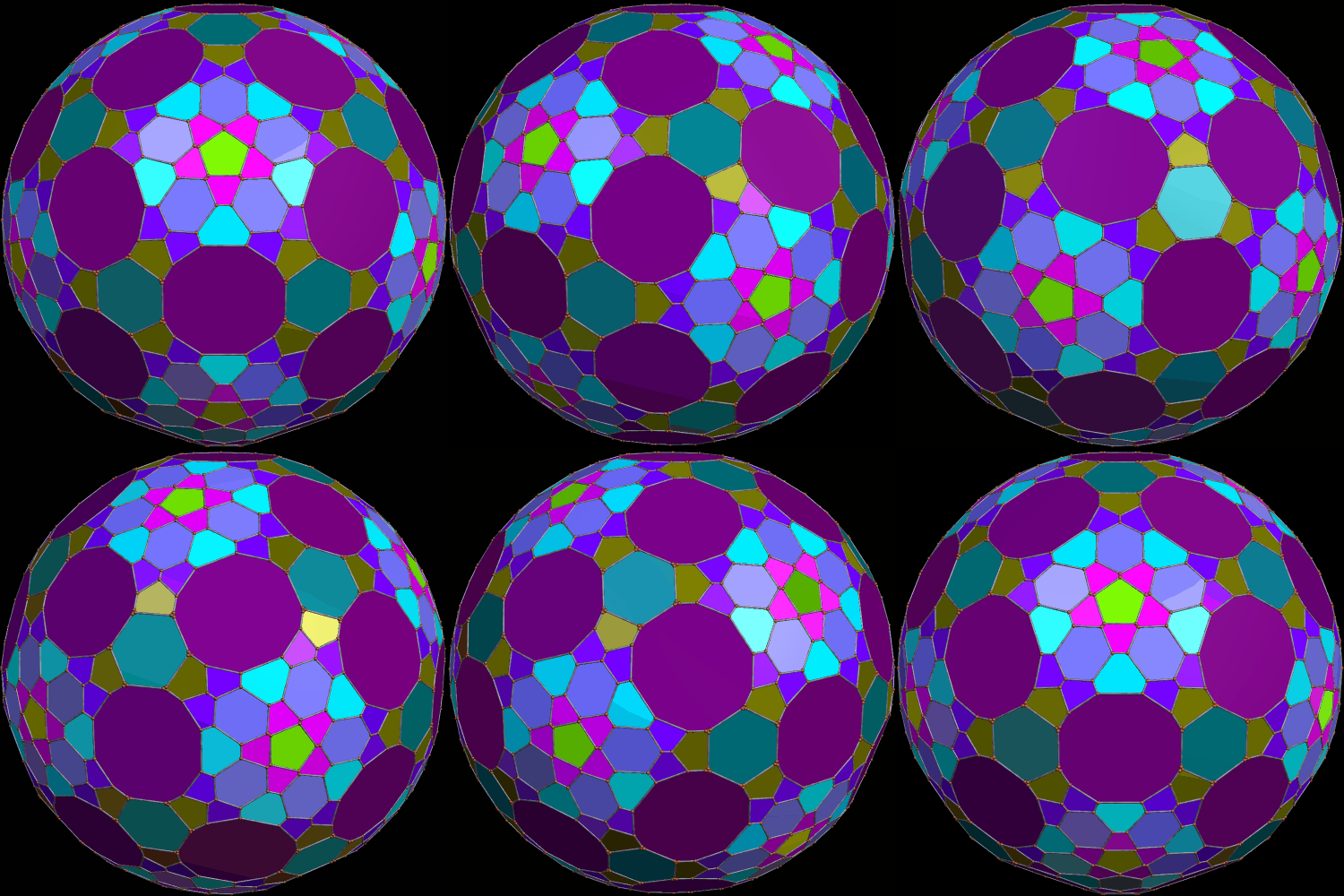
c240

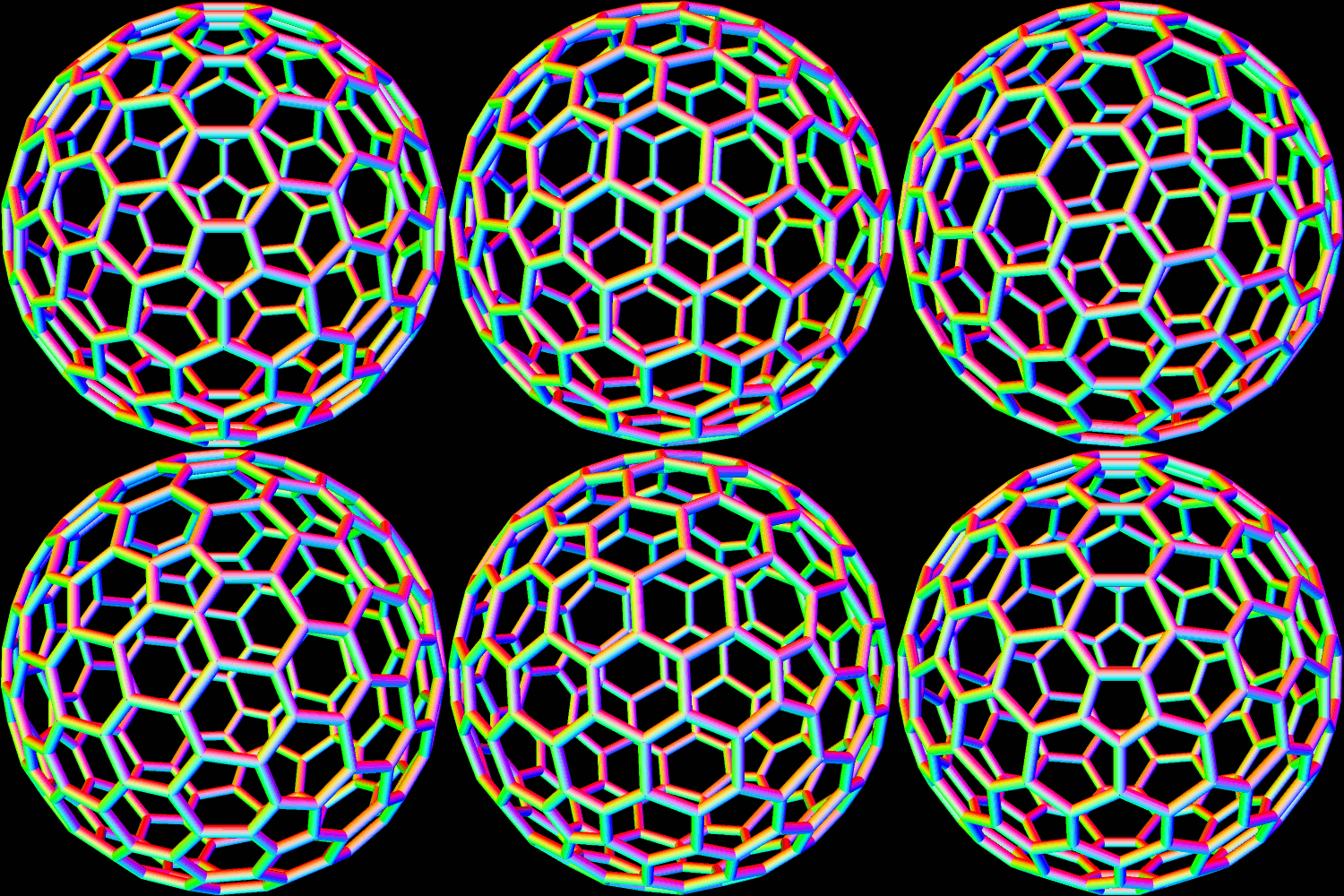
The images directly above and below show the shape of the most symmetrical 240-carbon-atom fullerene.

c240rb

chiral convex hull Convex hull

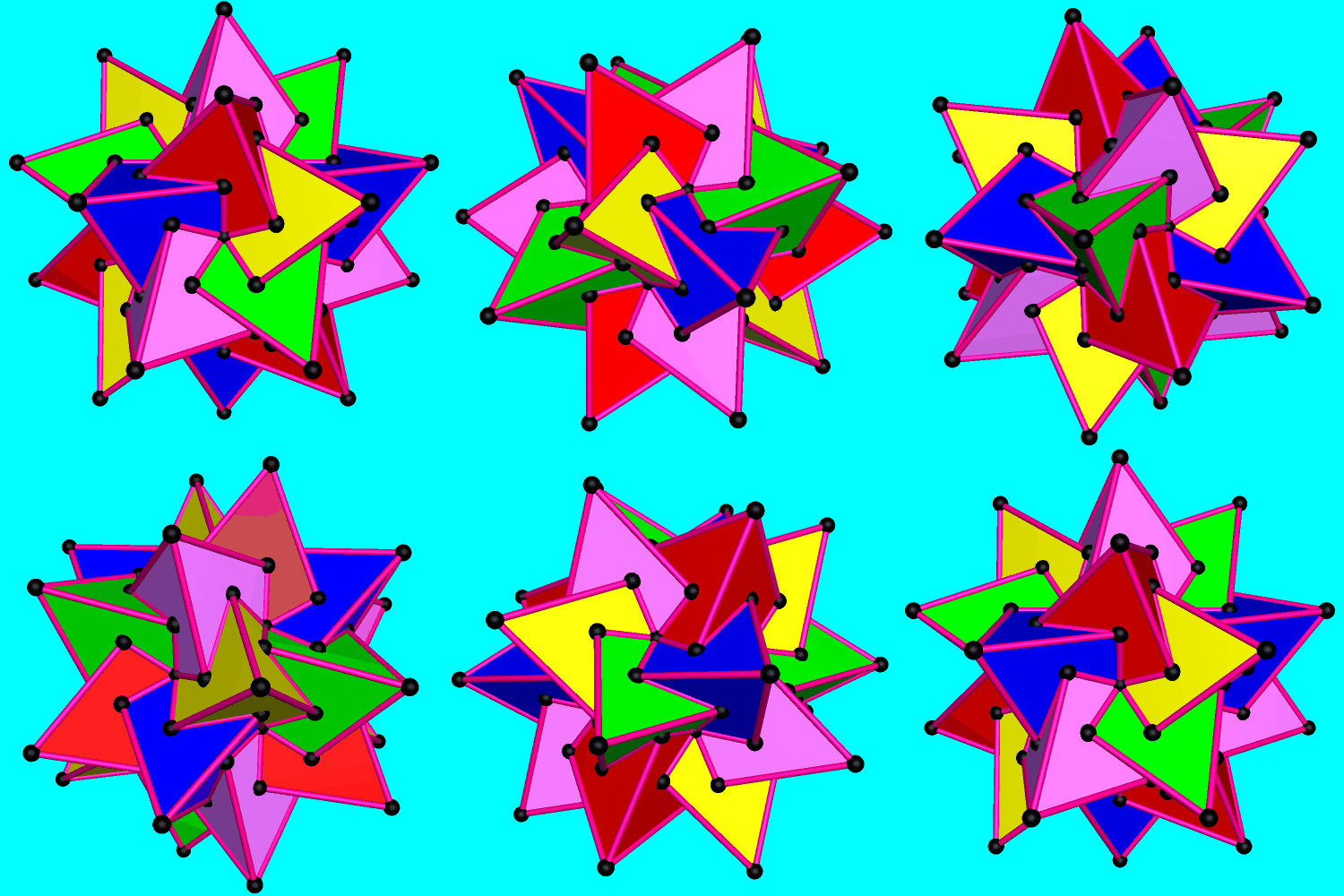
compound five tet

The image above is of the compound of five tetrahedra. This compound is chiral, and the next image is the compound of the compound above, and its mirror-image.

Compound of enantiomorphic pair

Comvnvex hjsdgaull

Conhgvedsfasdfx hull

Convedsfasdfx hull

Convex hjsdgaull

Convex hulfsgl

Convex hullll

Dual of Cjhfonvex hull

Dual of Convex hull

Dual of Convex hullb

dual of kite-variant of snub dodec

Faceted Convex hull augmentation with length 5 prisms

Faceted Convex hull

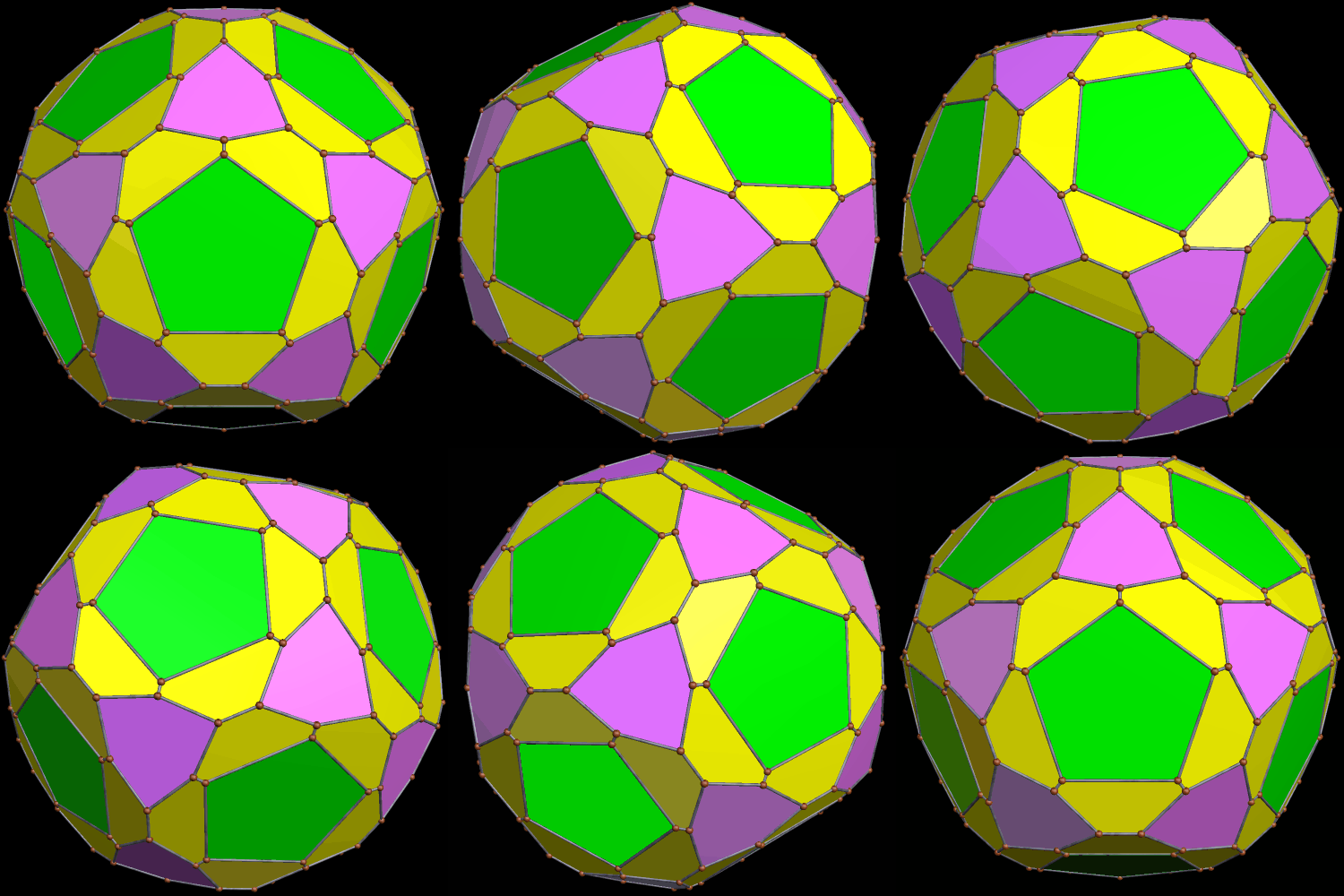
features twenty reg dodecagons 12 reg pents 60 kites 60 rectangles

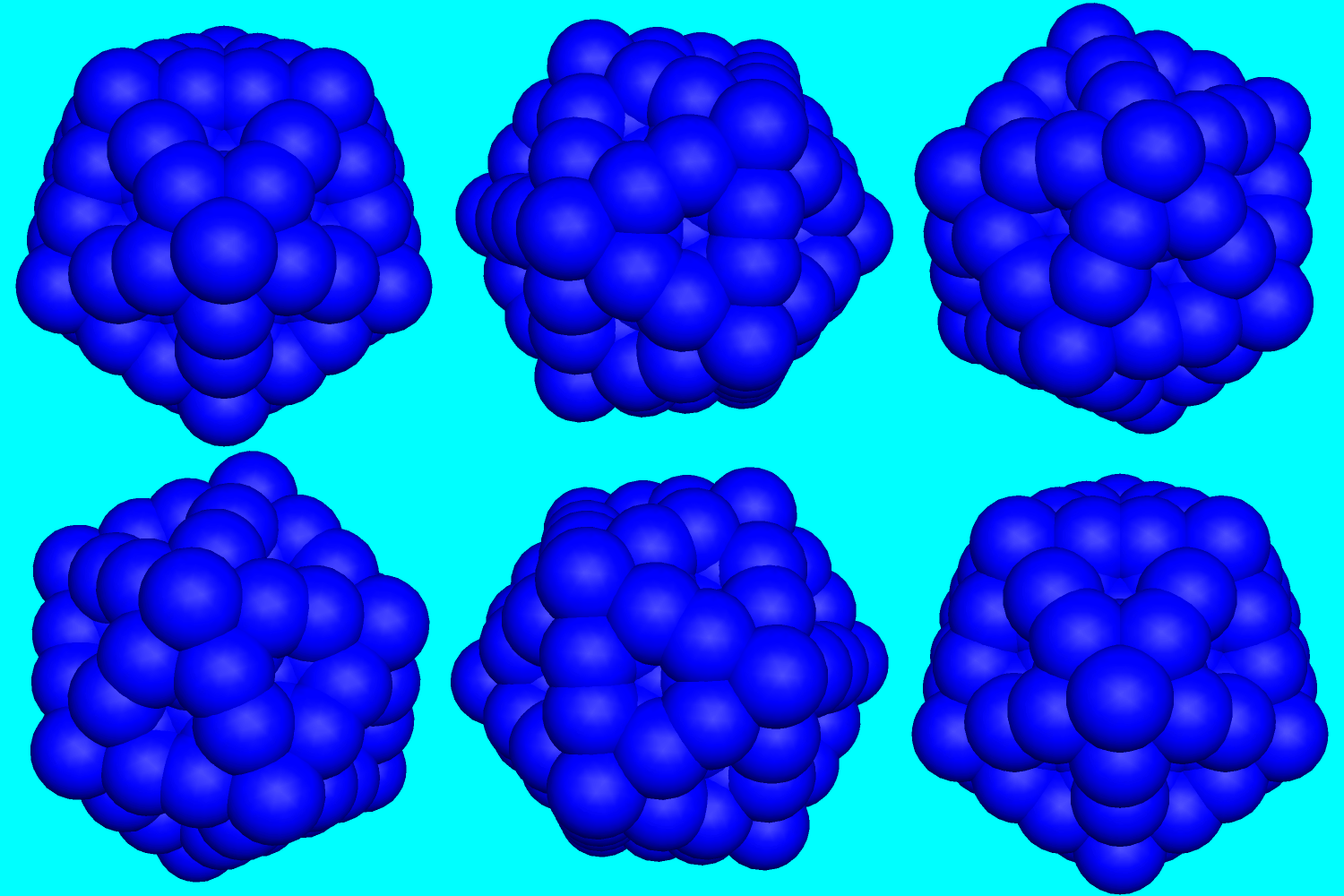
In the next two, I was experimenting with placing really big spheres at the vertices of polyhedra. The first one is the great dodecahedron, rendered in this unusual style, with the faces rendered invisible.

great dodec

icosa

icosa variant

kites and triangles

rhombi and octagons

Stellated Poly

Unnsdgjfamed

Unnsdgjfasdagmed

I made these using Stella 4d: Polyhedron Navigator. You may try this program for free at http://www.software3d.com/Stella.php.

A Radial Tessellation of Regular Decagons and Bowtie Hexagons

decagon and bowtie hexagons

This tiling-pattern could be continued indefinitely, while still maintaining its five-fold radial symmetry, giving it the overall appearance of a pentagon.

A Regular Decagon, Decomposed into Golden Triangles and Golden Gnomons

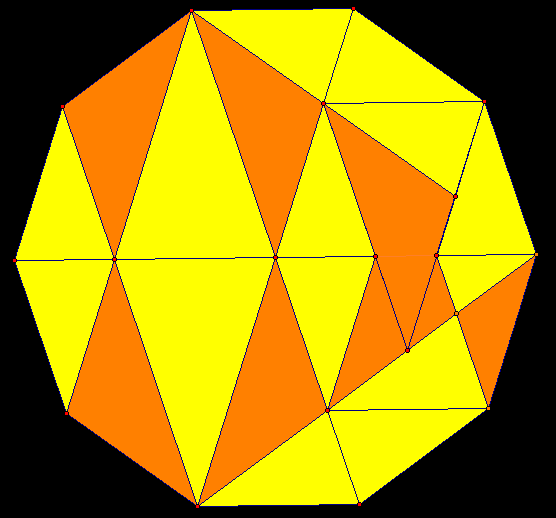
decagon

The golden triangles, in yellow, are acute isosceles triangles with a leg:base ratio which is the golden ratio. Golden gnomons, shown in orange, are related, for they are obtuse isosceles triangles where the golden ratio shows up as the base:leg ratio, which is the reciprocal of the manifestation of the golden ratio which appears in the yellow triangles.