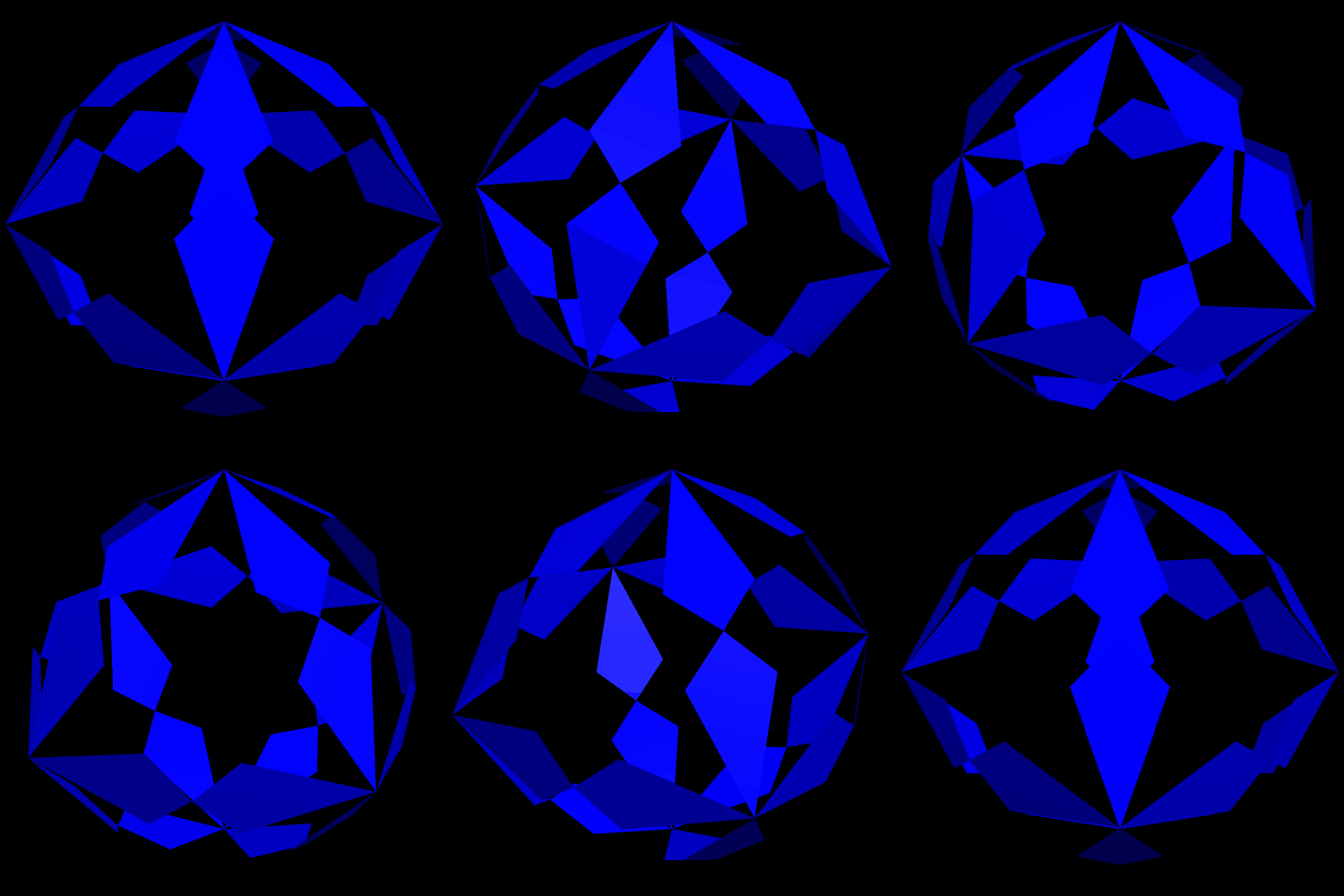
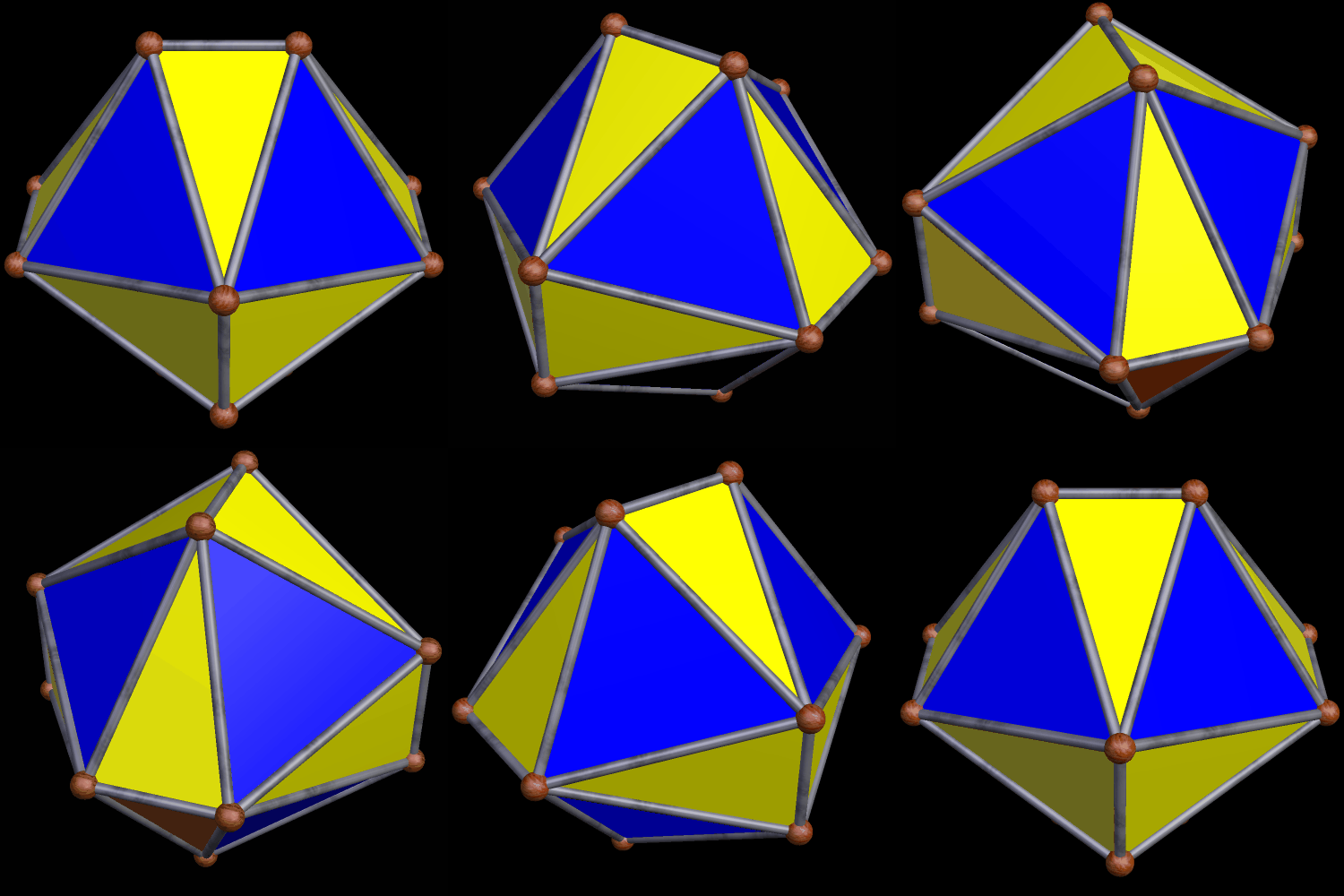
The simplest way for many to understand pyritohedral symmetry is simply to realize that it is the symmetry of the seams in a volleyball. The first time I encountered this unusual symmetry-type was in the golden icosahedron I blogged about here, a figure which much resembles this pyritohedral icosahedron, except the dozen isosceles triangles in this one have a leg-to-base ratio which is not the golden ratio.

Earlier today, I went on a search for polyhedra with pyritohedral symmetry. I found several, but the worthwhile findings from the search are far from exhausted. Here are some others I found, exploring and manipulating polyhedra using Stella 4d, which you can try at this website.
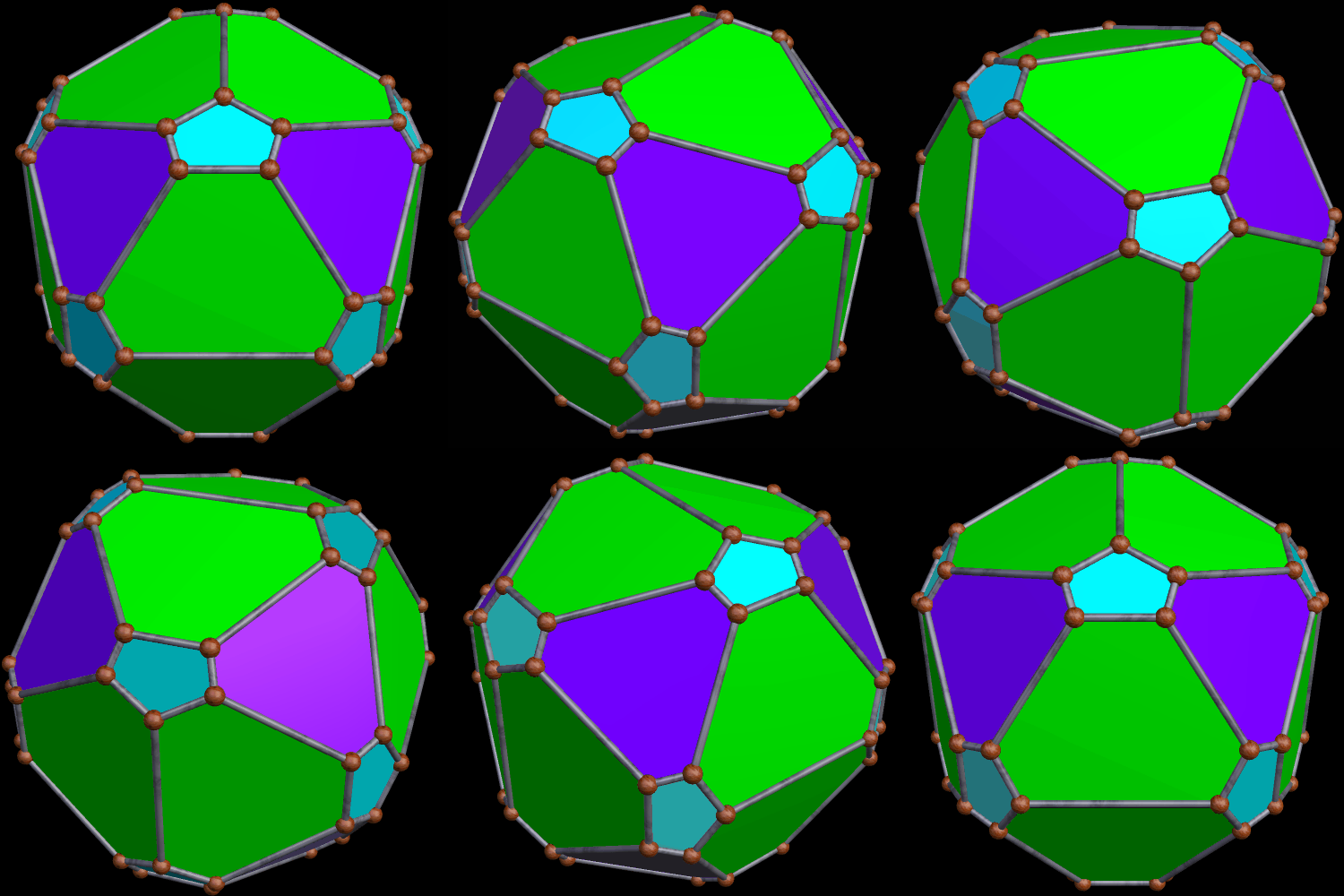
 In the version of the pyritohedral icosahedron above, the twelve green triangles have become heptagons which use very short sides to approximate triangles. The one below is of a similar figure, but one in which truncations has happened, so I call it a truncated pyritohedral icosahedron.
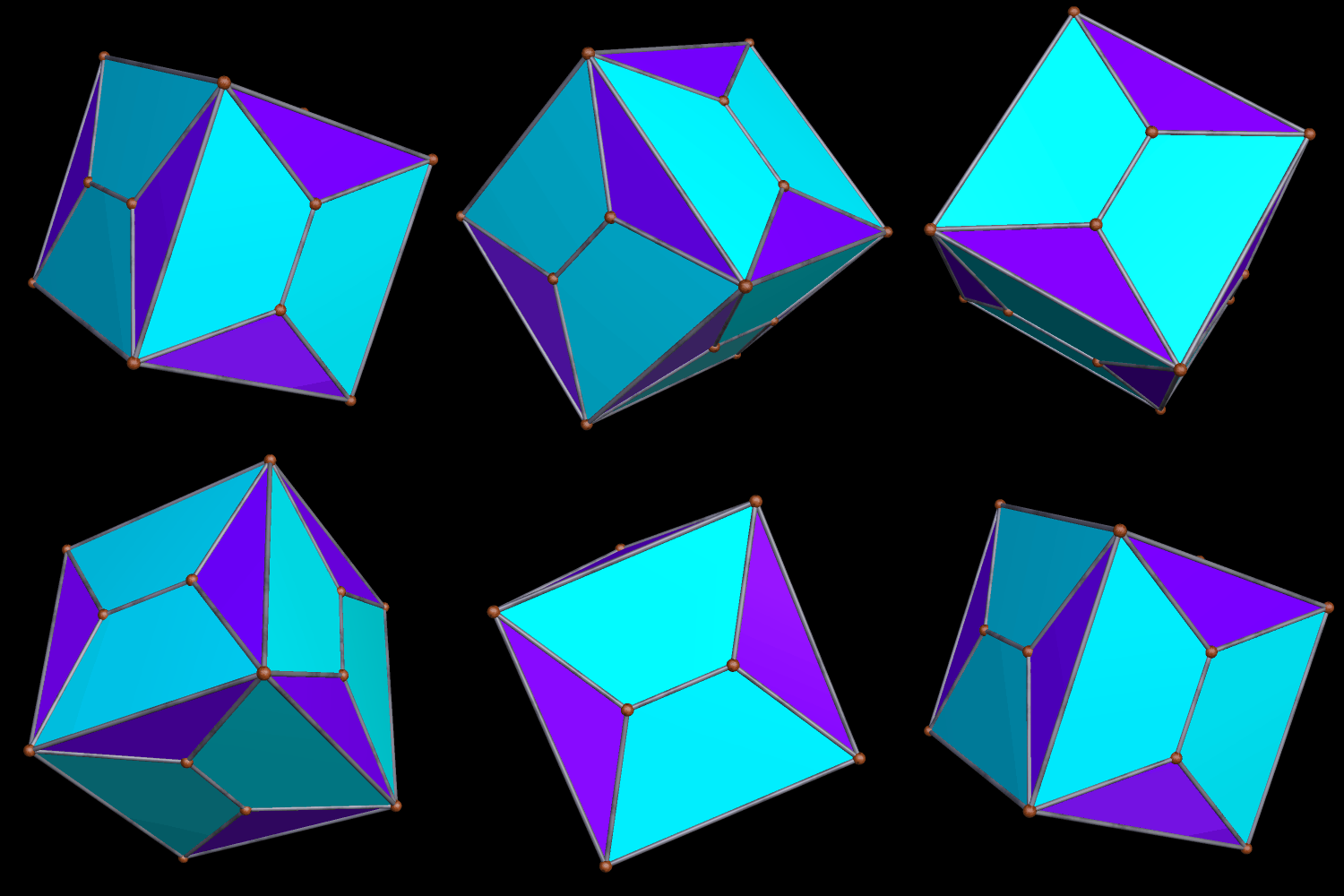
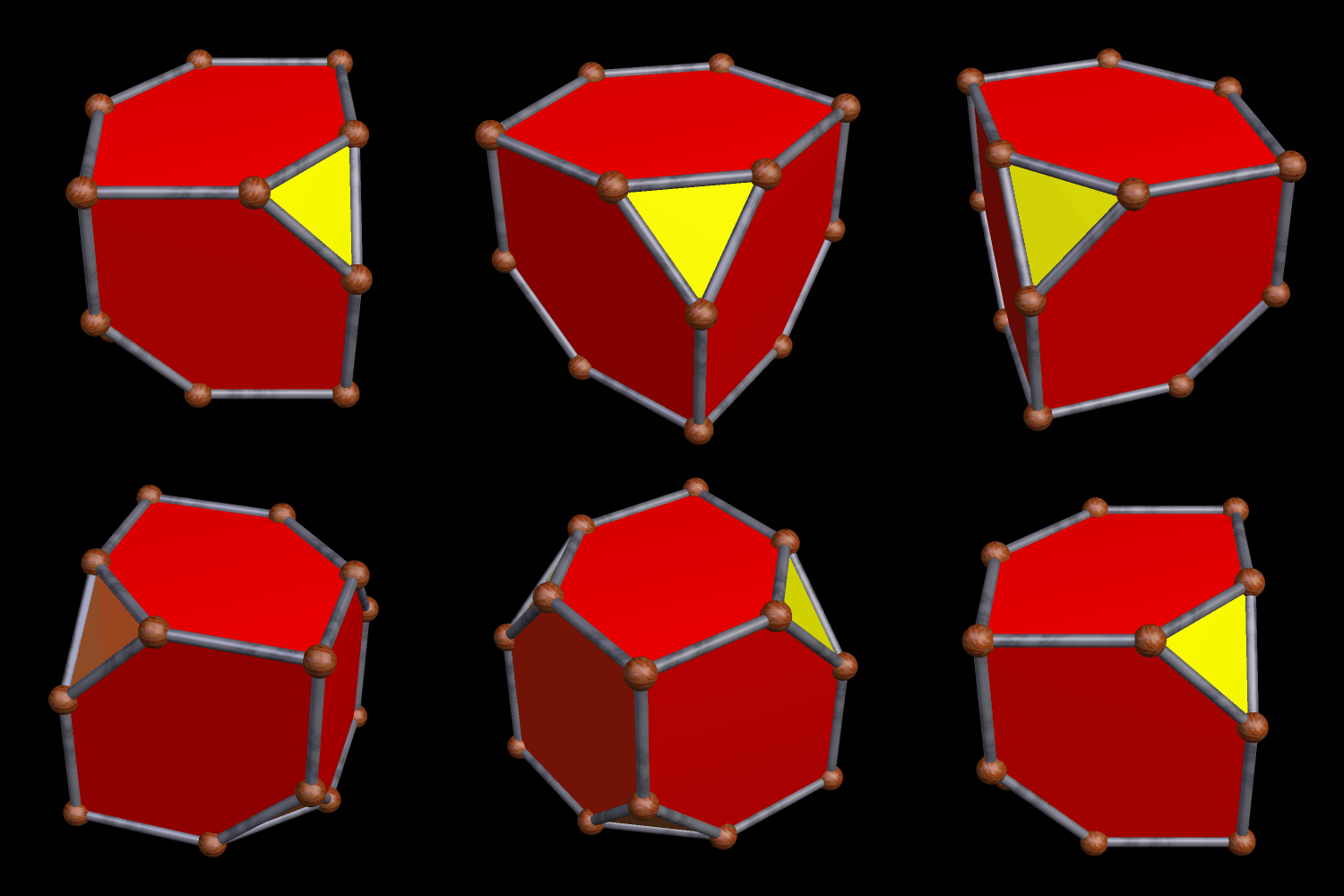
There also exist many pyritohedral polyhedra based, more or less, on the cube. These are a few I have found:
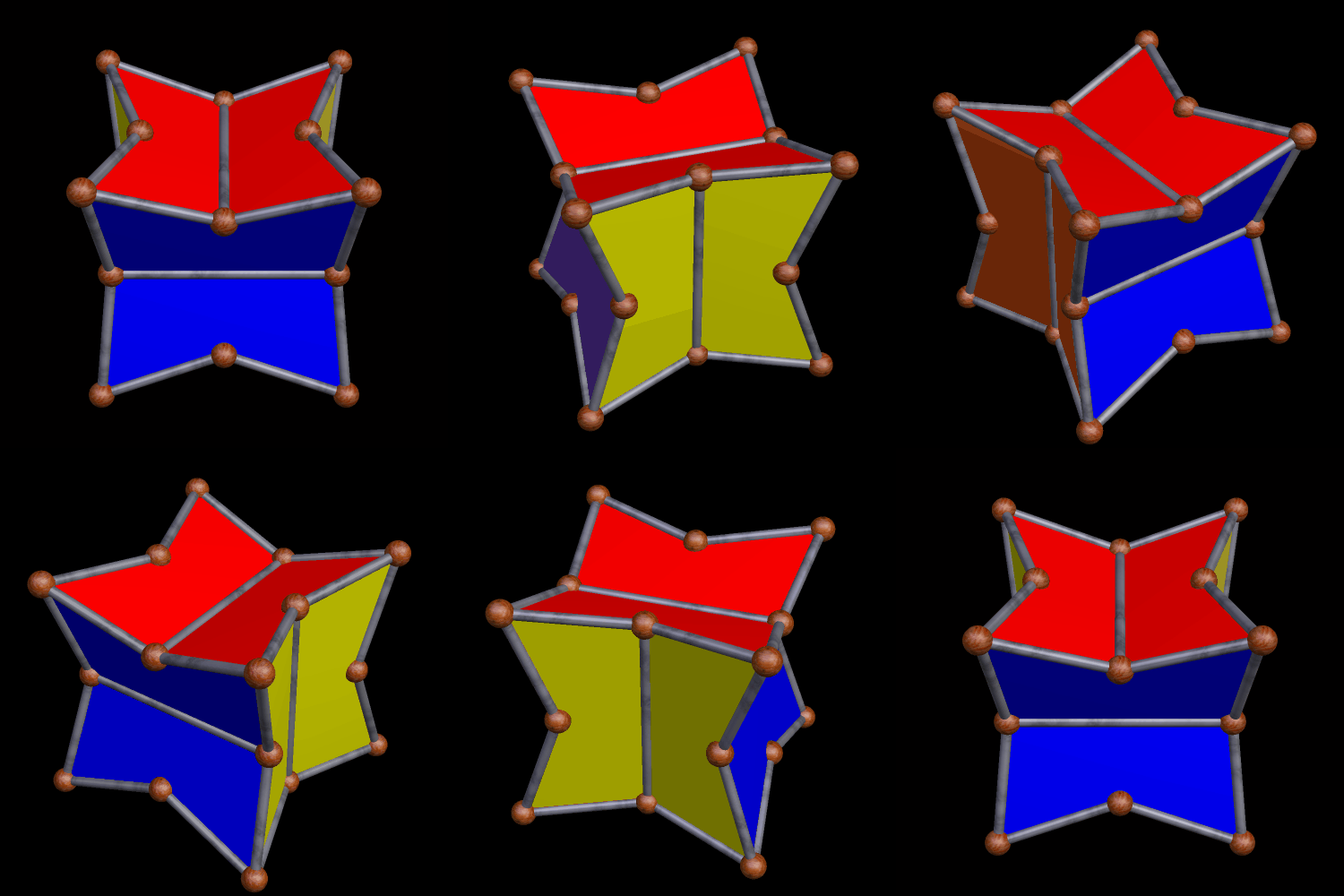

Now, is this next one a pyritohedral cube, or a pyritohedral dodecahedron? A case could be made for either, so it inhabits a “gray zone” between varying categories.
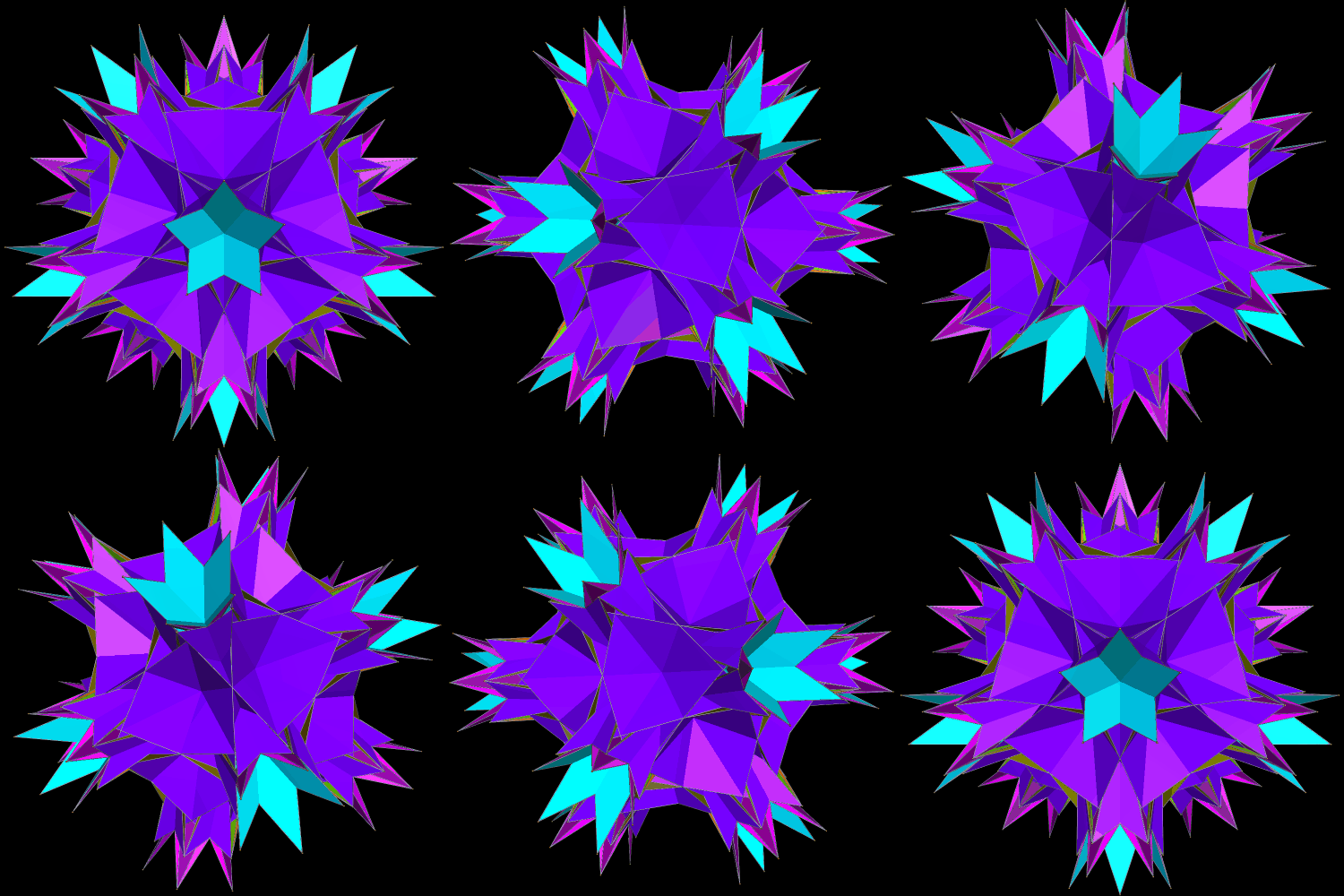
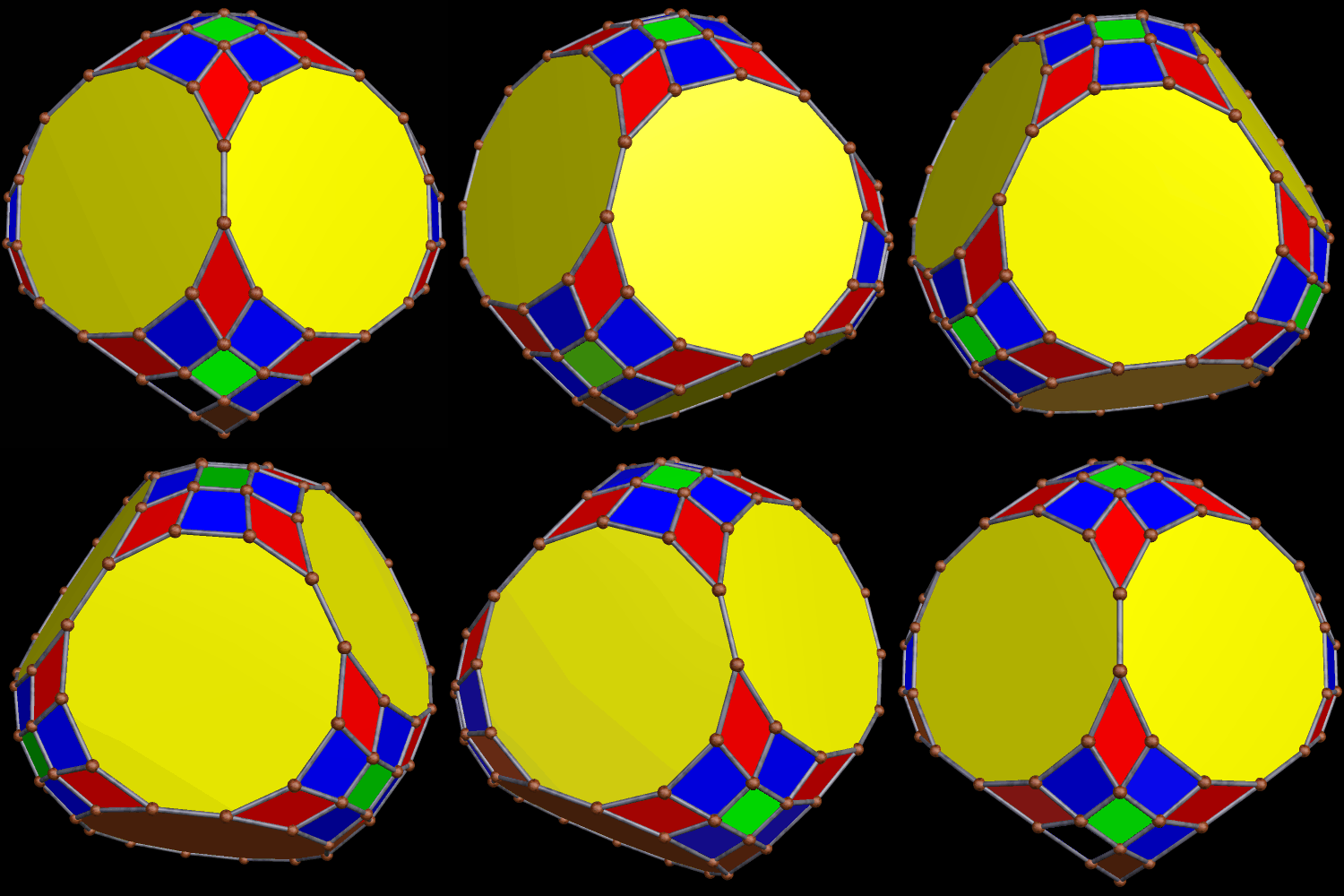
Here is a pyritohedral icosidodecahedron:
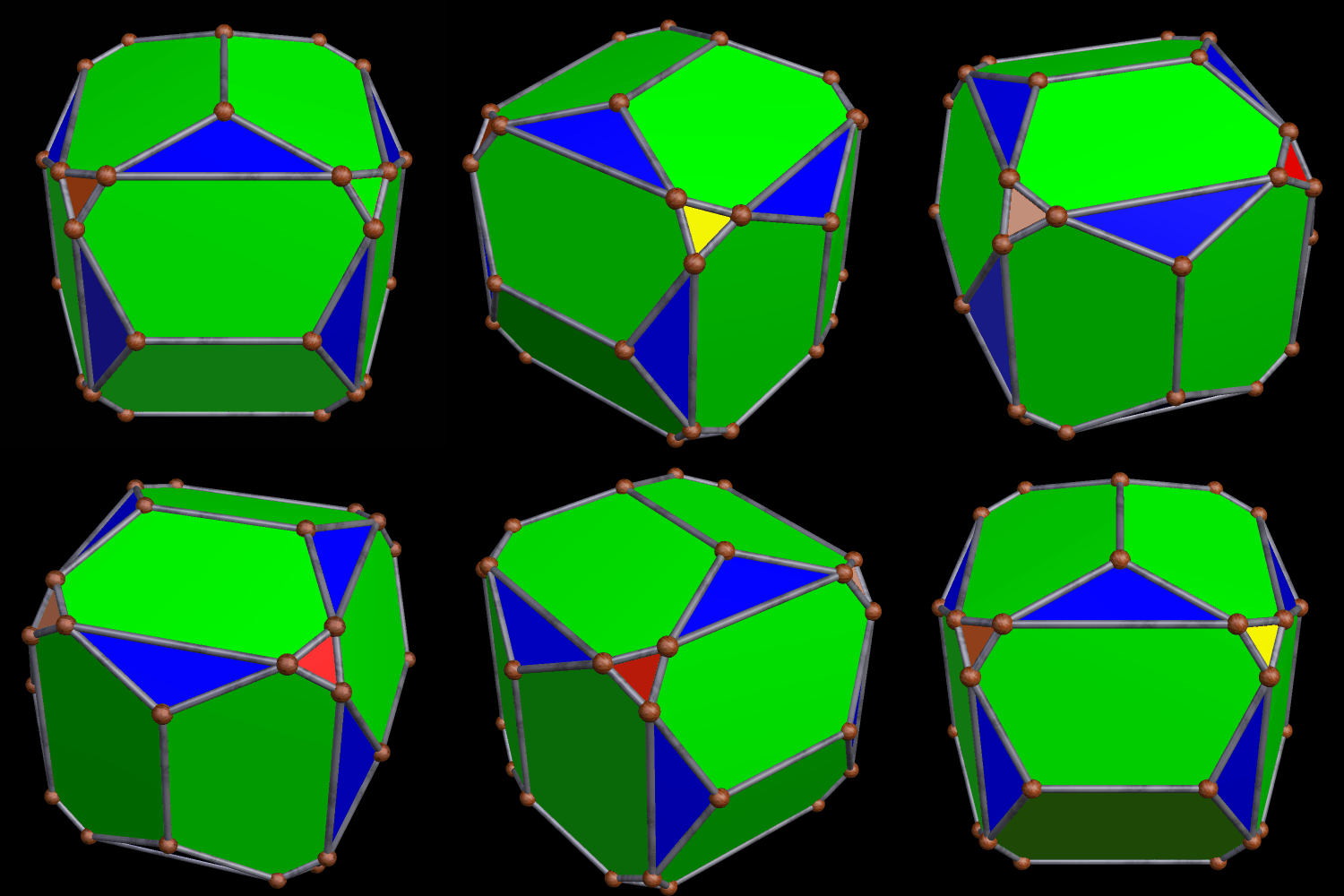
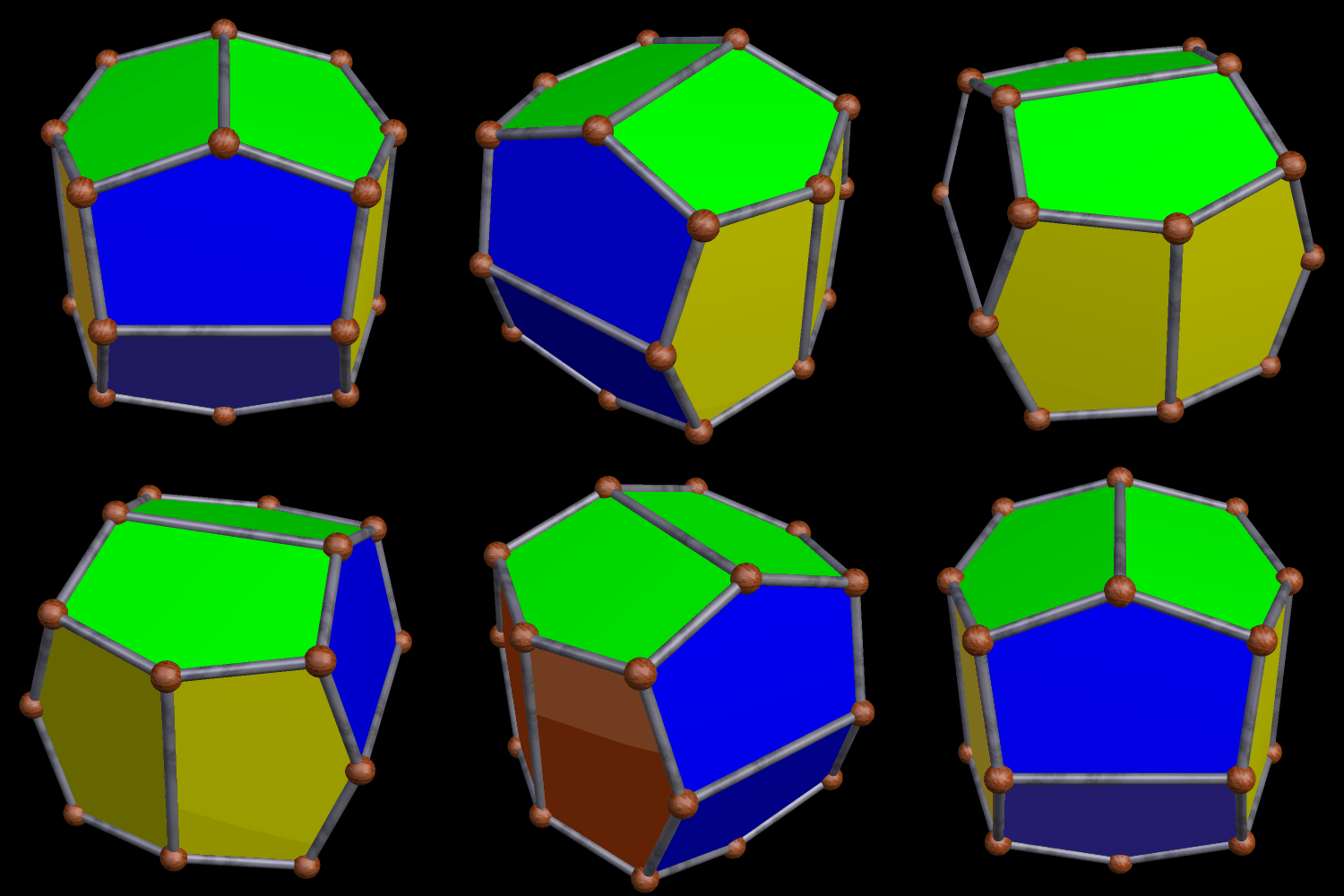
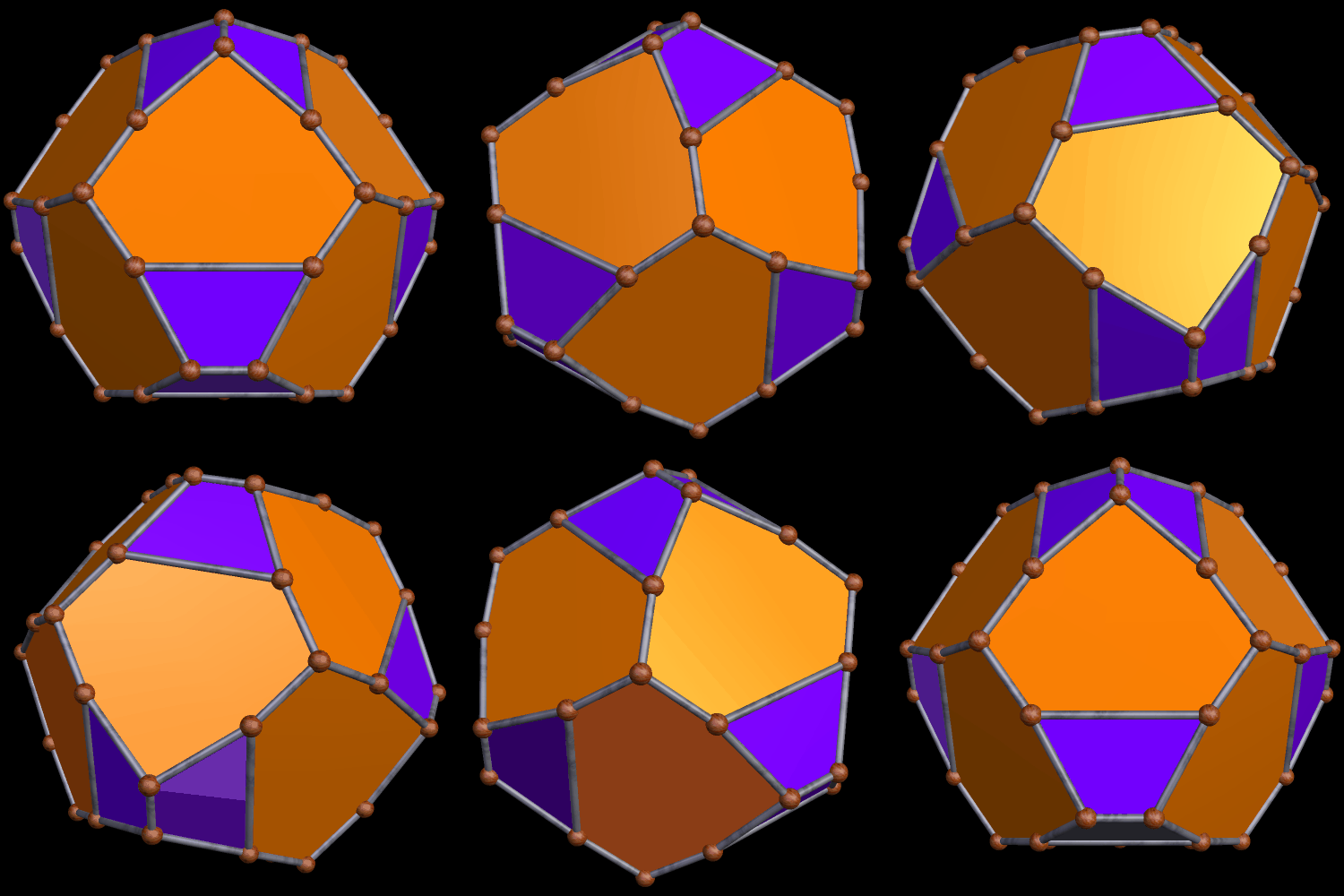
This one could probably be described in multiple ways, also, but it looks, to me, like a rhombic dodecahedron with its six four-valent vertices being double-truncated in a pyritohedral manner, with pairs of isosceles trapezoids appearing where the truncations took place.

One thing that this one, and the last, have in common is that the largest faces are heptagons. It appears to be a pyritohedral dodecahedron which has been only partially truncated.

This survey could not have been performed without a program called Stella 4d, which I rely on heavily for polyhedral investigations. It may be purchased, or tried for free, at http://www.software3d.com/Stella.php.









 RobertLovesPi.net